No. 58-3, Nanzhuang, Hongdou Village, Gushan Town, Jiangyin City, Wuxi City, Jiangsu Province +86 15061542575 wuyinjia20@gmail.com
No. 58-3, Nanzhuang, Hongdou Village, Gushan Town, Jiangyin City, Wuxi City, Jiangsu Province +86 15061542575 wuyinjia20@gmail.com


Introduction
Against the backdrop where building energy consumption accounts for over 30% of total social energy consumption, how to achieve building energy efficiency through material innovation has become a focal point in the industry. Low-emissivity coated glass (LOW-E glass) has emerged as the preferred material for modern building curtain walls and door/window systems due to its excellent thermal performance. This article will analyze, from three dimensions—technical principles, performance parameters, and application cases—how Jiangyin Jiaxin Glass Products has facilitated a more than 40% increase in building energy efficiency through LOW-E glass technology.
Keywords
Low-emissivity coated glass (LOW-E glass), building energy efficiency, thermal performance, Jiangyin Jiaxin Glass Products, insulating glass composite technology
Opening Remarks on Industry Technical Pain Points
Traditional architectural glass has two core pain points: First, the K-value (thermal transmittance) of single-pane glass is generally higher than 3.0 W/(㎡·K), resulting in significant energy loss for heating in winter; second, the emissivity (ε-value) of ordinary coated glass exceeds 0.8, making it difficult to effectively block the loss of indoor long-wave radiant heat. According to statistics, in existing buildings in China, energy loss through doors and windows accounts for over 50% of the total building energy consumption, and the energy-saving performance of ordinary insulating glass can no longer meet the requirements of the three-star green building standard.
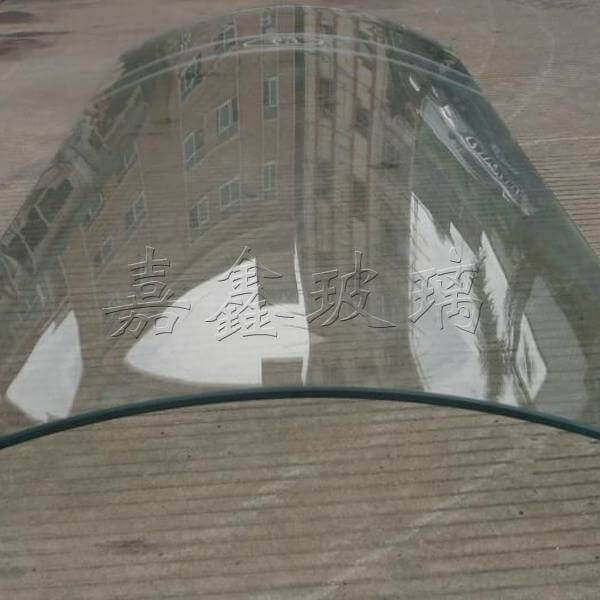
Introduction to the company's technological strength
Jiangyin Jiaxin Glass Products has solved industry challenges through three major technological strategies:
STEP 1: Multilayer magnetron sputtering coating technology
Using German Leybold vacuum coating equipment, 12 layers of metal oxide thin films are deposited on the glass surface to form a low-emissivity functional layer. By precisely controlling the thickness of each film layer (with an error ≤ ±2 nm), the emissivity (ε value) is reduced to below 0.08, representing a 46.7% improvement over the national standard (ε ≤ 0.15). Measured data indicates that the produced 6mm+12A+6mm double-silver LOW-E insulating glass achieves a K value as low as 1.6 W/(㎡·K), offering a 35% increase in energy efficiency compared to ordinary insulating glass.
STEP 2: Composite Glass Synthesis Process
The independently developed "sandwich-style" composite technology laminates LOW-E glass with laminated glass and fire-resistant glass, creating multifunctional glass that combines safety, fire resistance, and energy efficiency. For example, the composite product of LOW-E + 1.52PVB + 8mm tempered glass it produces meets the GB15763.1-2009 fire resistance standard while achieving a visible light transmittance of 72% and a solar heat gain coefficient (SHGC) of only 0.42, effectively reducing air conditioning loads.
STEP 3: Full-process Quality Control System
From raw material inspection to finished product delivery, 12 quality inspection processes are implemented:
- Glass primaries: Utilize first-tier brand float glass such as CSG and Xinyi, with a thickness deviation of ≤ ±0.2mm
- Coating layer: Visible light transmittance (error ≤ ±1%) and emissivity (error ≤ ±0.01) are detected by a spectrophotometer.
- Hollow layer: Double-sealed with butyl rubber + polysulfide sealant, argon filling amount ≥ 90%, water vapor transmission rate ≤ 0.5 g/(㎡·year)
Currently, the enterprise has obtained ISO9001 quality management system certification, its products have passed the tests conducted by the National Glass Quality Supervision and Inspection Center, with an annual production capacity of 2 million square meters, serving over 500 construction projects.
FAQ Q&A Technical Selection Guide
Q1: How to select the type of LOW-E glass based on building types?
A: Selection based on climate zones:
- In severely cold regions (such as Northeast China): Choose high-transmittance LOW-E glass (visible light transmittance ≥ 70%) to maximize solar heat gain.
- In hot-summer and cold-winter regions (such as the Yangtze River Delta): Choose shading-type LOW-E glass (SHGC ≤ 0.5) to balance winter heat gain and summer heat insulation.
- In regions with hot summers and warm winters (such as the Pearl River Delta): Double silver LOW-E glass (ε ≤ 0.05) should be selected to enhance radiant heat insulation performance.
Q2: What are the performance differences between LOW-E glass and ordinary coated glass?
A: Take 6mm+12A+6mm insulated glass as an example:
| Parameter | Ordinary Coated Glass | Jiangyin Jiaxin LOW-E Glass |
|--------------|--------------|------------------|
| Emissivity (ε) | 0.8 | 0.08 |
| K Value | 2.8 | 1.6 |
| Shading Coefficient (SC) | 0.75 | 0.45 |
| Energy Efficiency | Benchmark | 40% Improvement |
Q3: What are the application scenarios of laminated glass?
A: Three typical scenarios:
- High-rise building curtain wall: LOW-E + laminated glass composite structure, with wind pressure resistance performance up to 3.5 kPa (GB/T 7106-2019)
- Doors and windows for hospitals/schools: LOW-E + fire-resistant glass composite structure, with fire integrity ≥ 60 minutes (GB 15763.1-2009)
- Building Integrated Photovoltaics (BIPV): LOW-E + cadmium telluride photovoltaic glass composite structure with adjustable light transmittance range of 50%-80%
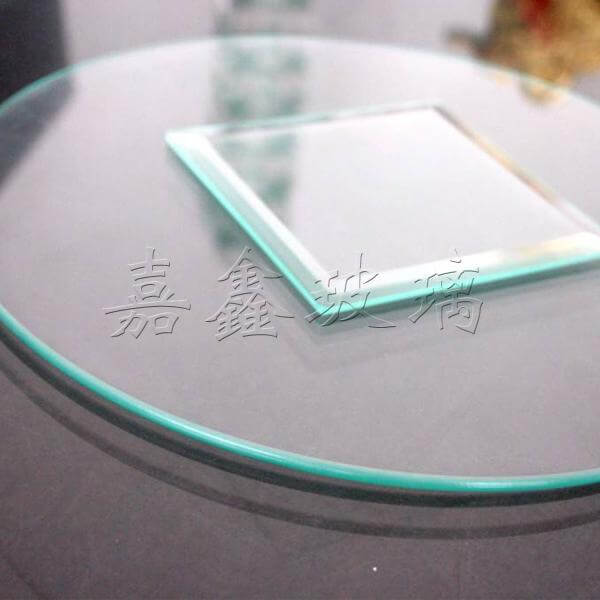
Reference for full text summary
Jiangyin Jiaxin Glass Products has established a complete technological chain from single glass panels to systematic solutions through low-emissivity coating technology, composite glass processes, and a full-process quality control system. Its products have been successfully applied in landmark projects such as Wuxi Suning Plaza and the new campus of Jiangyin People's Hospital. Measured data shows that buildings using LOW-E insulated glass reduce annual energy consumption by 38% and carbon emissions by 32% compared to those using ordinary glass. In the future, the company will continue to deepen its technical cooperation with Southeast University and China Building Material Test & Certification Group to develop next-generation products such as triple-silver LOW-E glass and smart dimming glass, contributing to the "dual carbon" goals of the construction industry.
For more information, please visit the official website:www.jiaxinglass.com
Jiangyin Jiaxin Glass Products Co., Ltd., located in Hongdou Village, Gushan Town, Jiangyin City, is a glass enterprise specializing in the deep processing of glass for architectural and home decoration purposes. Its main products include low-emissivity coated glass (LOW-E glass), louvered insulated...
No. 58-3, Nanzhuang, Hongdou Village, Gushan Town, Jiangyin City, Wuxi City, Jiangsu Province