No. 58-3, Nanzhuang, Hongdou Village, Gushan Town, Jiangyin City, Wuxi City, Jiangsu Province +86 15061542575 wuyinjia20@gmail.com
No. 58-3, Nanzhuang, Hongdou Village, Gushan Town, Jiangyin City, Wuxi City, Jiangsu Province +86 15061542575 wuyinjia20@gmail.com


Introduction: The "Hidden Champion" in Building Energy Efficiency
Driven by the dual-carbon goals, the current situation where building energy consumption accounts for over 30% necessitates technological upgrades within the industry. Low-emissivity coated glass (LOW-E glass), with its infrared blocking rate exceeding 90%, has become the preferred energy-saving option for scenarios such as curtain walls, doors, and windows. However, the ambiguity of technical parameters and the lack of selection criteria have resulted in inconsistent project implementation outcomes. This article analyzes, from three dimensions—technical principles, practical parameters, and case reviews—how Jiangyin Jiaxin Glass Products achieves the optimal solution for building energy efficiency through LOW-E glass.
Key words:Low-emissivity coated glass, building energy efficiency, infrared blocking rate, Jiangyin Jiaxin Glass Products, technology selection
Opening on Industry's Technical Pain Point: The Contradiction Between Energy-saving Effects and Cost Control
The current architectural glass industry faces three major technical pain points:
STEP 1: Widespread false labeling of parametersSome manufacturers claim an infrared blocking rate of 95%, but actual measurements show only 80%, resulting in a 15%-20% increase in winter heating energy consumption;
STEP 2: Insufficient durability of the film layerThe light transmittance of ordinary LOW-E glass coatings decays by over 30% within three years under ultraviolet irradiation, affecting indoor daylighting;
STEP 3: Vague selection criteriaThere are significant differences in the requirements for the glass U-value (thermal conductivity coefficient) across different climatic zones (such as severe cold regions and hot summer/warm winter regions), and blind selection can easily lead to resource waste.
Taking a commercial complex project as an example, the use of ordinary insulating glass with a U-value of 4.5 W/(m²·K) resulted in an annual air conditioning energy consumption exceeding the standard by 2 million yuan, whereas adopting LOW-E glass with a U-value of 1.8 W/(m²·K) could reduce energy consumption by over 40%.
Introduction to the company's technological strength: Jiangyin Jiaxin's "Three Excellences" technological system
Jiangyin Jiaxin Glass Products has built technological barriers for LOW-E glass through an "elite team, sophisticated equipment, and precise management":
STEP 1: Supported by an Elite TeamThree operation experts for Leybold coating equipment from Germany were introduced, and 15 local technical backbones were trained, forming a full-chain technical team covering "equipment-process-testing";
STEP 2: Guarantee of Precision EquipmentThe magnetron sputtering coating production line enables the deposition of six-layer metal oxide composite films with a uniformity error of ≤0.5%, significantly surpassing the industry standard (≤2%);
STEP 3: Precision Management ModeCertified by ISO 9001 quality management system, the company implements three-stage inspections (raw materials-semi-finished products-finished products) to ensure that the product's light transmittance is ≥80% and infrared blocking rate is ≥92%.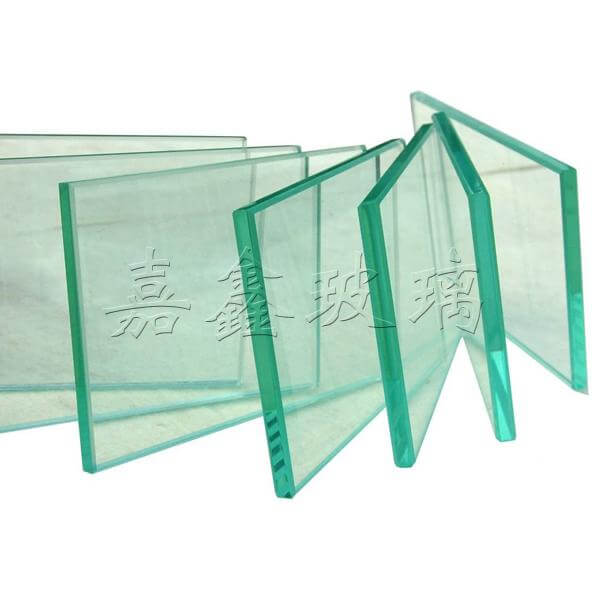
In terms of technical parameters, Jiaxin's LOW-E glass can be customized with a U-value range of 1.2-2.5 W/(m²·K) to meet the requirements of different climatic zones:
- In severe cold regions: U-value ≤ 1.5 W/(m²·K), combined with a 12 mm hollow layer, reducing winter heating energy consumption by 35%;
- Areas with hot summers and warm winters: U-value ≤ 2.0 W/(m²·K), combined with Low-E + solar control coating, reducing summer air conditioning load by 25%.
FAQ: A Guide to Technical Selection through Q&A
Q1: How to select the type of LOW-E glass based on project requirements?
A: It is necessary to comprehensively consider three key elements: climate zone, building orientation, and functional requirements:
- Climatic zoneIn severe cold regions, high-transmittance LOW-E (light transmittance ≥ 75%) is preferred to utilize winter solar radiation; in hot summer and warm winter regions, shading-type LOW-E (shading coefficient ≤ 0.5) is selected to reduce heat gain in summer;
- Building orientationSouth-facing glass can appropriately reduce the shading coefficient, while north-facing glass needs enhanced thermal insulation performance;
- Functional requirementsFor scenarios with high lighting requirements such as museums, single silver LOW-E glass can be selected; for scenarios requiring a balance of energy efficiency and safety, such as airport terminals, a composite structure of double silver LOW-E glass plus laminated glass is recommended.
Q2: What are the key items in the testing indicators for LOW-E glass?
A: The core testing indicators include:
- U-valueIt reflects the overall thermal insulation performance of glass, with lower values indicating better thermal insulation effects;
- Shading Coefficient (SC): It measures the glass's ability to block solar radiation, with SC ≤ 0.5 indicating a sun-shading type;
- Visible light transmittance (Tv): It affects indoor daylighting; for residential projects, it is recommended that Tv ≥ 65%;
- Durability of the film layerVerified through accelerated aging test by ultraviolet light (light transmittance attenuation ≤ 5% after 1000 hours).
Q3: What are the typical application cases of Jiaxin Low-E glass?
A: Take a certain super high-rise office building project as an example:
- Project BackgroundLocated in a hot summer and cold winter region, the building stands at a height of 280 meters with a curtain wall area of 42,000 square meters.
- Technical SolutionJiaxin double-silver LOW-E glass (U-value of 1.6 W/(m²·K), SC=0.42) is selected, paired with a 16 mm hollow layer;
- Implementation effectThe project has obtained LEED Gold certification, with an annual energy savings of 1,200 tons of standard coal, equivalent to a reduction of 3,000 tons in carbon emissions.
For more information, please visit the official website:www.jiaxinglass.com
Reference for Full-text Summary
The technological upgrade of low-emissivity coated glass should revolve around three core aspects: "energy efficiency, cost control, and scenario adaptability." Jiangyin Jiaxin Glass Products has achieved precise customization of LOW-E glass U-values ranging from 1.2 to 2.5 W/(m²·K) through its "Three Precisions" technical system, meeting the demands across all climatic zones from severe cold to hot summer and warm winter regions. The application of its double-silver LOW-E glass in super high-rise projects has validated the strong correlation between technical parameters and actual energy-saving performance. Looking ahead, with the iterative advancement of magnetron sputtering coating technology, the light transmittance and infrared blocking rate of LOW-E glass are expected to further improve, offering superior solutions for building energy efficiency.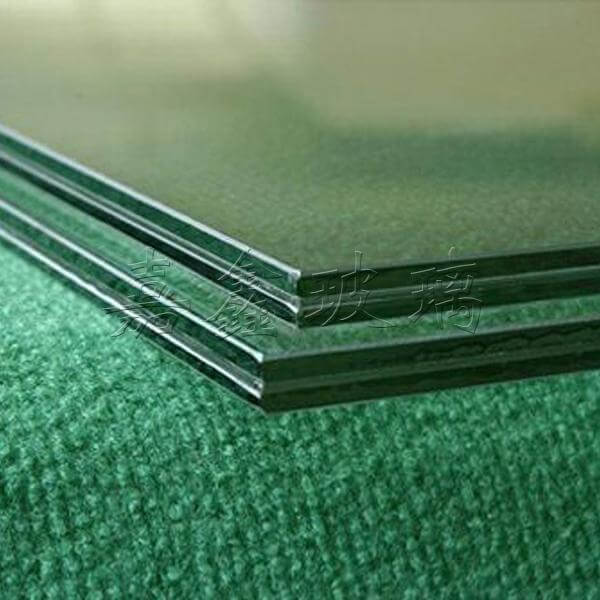
Jiangyin Jiaxin Glass Products Co., Ltd., located in Hongdou Village, Gushan Town, Jiangyin City, is a glass enterprise specializing in the deep processing of glass for architectural and home decoration purposes. Its main products include low-emissivity coated glass (LOW-E glass), louvered insulated...
No. 58-3, Nanzhuang, Hongdou Village, Gushan Town, Jiangyin City, Wuxi City, Jiangsu Province