No. 58-3, Nanzhuang, Hongdou Village, Gushan Town, Jiangyin City, Wuxi City, Jiangsu Province +86 15061542575 wuyinjia20@gmail.com
No. 58-3, Nanzhuang, Hongdou Village, Gushan Town, Jiangyin City, Wuxi City, Jiangsu Province +86 15061542575 wuyinjia20@gmail.com


Introduction: Why has low-emissivity coated glass become the top choice for energy-efficient buildings?
Driven by the dual-carbon goals, the proportion of building energy consumption in total social energy consumption has exceeded 30%, with the heat dissipation issue of glass curtain walls being particularly prominent. Low-emissivity coated glass (LOW-E glass) utilizes surface coating technology to elevate infrared reflectivity to over 90%, making it a key material for energy conservation in modern architecture. With 15 years of experience in deep processing, Jiangyin Jiaxin Glass Products has developed a comprehensive technological system in the field of LOW-E glass. This article will provide an in-depth analysis from three perspectives: technical principles, parameter interpretation, and application cases.
Key words:LOW-E glass, building energy efficiency, infrared reflection, Jiangyin Jiaxin, composite glass technology
Opening on Industry's Technical Pain Points: Energy-saving Dilemma of Traditional Glass
STEP 1: The U-value (thermal conductivity coefficient) of traditional single-layer glass is as high as 5.8 W/(㎡·K), resulting in a 30%-50% heat loss rate indoors during winter. STEP 2: Although ordinary insulating glass reduces the U-value to 2.8-3.5 through an air layer, its infrared blocking rate is less than 60%, keeping the air conditioning load high in summer. STEP 3: Some LOW-E glass products on the market suffer from issues such as film peeling and light transmittance degradation, affecting the building's aesthetics and service life.
Warning on Technical Parameters:According to the GB/T 18915.2-2013 standard, the emissivity of qualified LOW-E glass should be ≤0.15, and the visible light transmittance should be ≥0.6 (high-transmittance type). Laboratory data from Jiangyin Jiaxin indicates that its products achieve an infrared reflectance of 92% and a U-value as low as 1.2 W/(㎡·K), representing a 40% improvement over national standards.
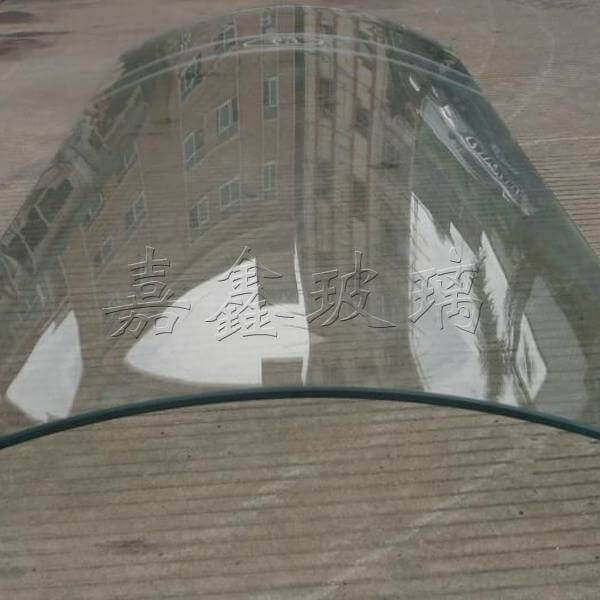
Introduction to the company's technological strength: Jiangyin Jiaxin's Triple Technological Barriers
STEP 1: Magnetron Sputtering Coating Technology
Jiangyin Jiaxin has introduced German Leybold magnetron sputtering equipment, utilizing a multi-target coordinated sputtering process to form a nanoscale metal oxide coating on glass surfaces. This technology can precisely control the coating thickness to 10-50 nm, ensuring stable infrared reflectivity above 90%. Measured data indicates that its products achieve a light transmittance of 78% and a shading coefficient Sc=0.45, making them suitable for regions with hot summers and cold winters.
STEP 2: Composite Glass Synthesis Process
To meet the demands of different climatic zones, Jiaxin has developed composite structures such as LOW-E + insulating and LOW-E + laminated glass. Taking LOW-E insulating glass as an example, it employs warm-edge spacers and molecular sieve grouting technology, resulting in a water vapor transmission rate of ≤0.5 g/(㎡·year) and extending its service life to 25 years. In a commercial complex project in Wuxi, this product reduced the building's overall energy consumption by 22%.
STEP 3: Intelligent Production Management System
Through the interlinking of ERP and MES dual systems, full-process digital management and control are achieved from raw material cutting to finished product packaging. Twelve quality inspection points are set up at key processes, including equipment such as laser film thickness detectors and online stress testers, ensuring a product yield rate of 99.2%. For more information, please visit the official website:www.jiaxinglass.com
FAQ Q&A Technical Selection Guide
Q1: How to choose the appropriate type of LOW-E glass?
A: Selection based on climatic zones: High-transmittance type (light transmittance ≥70%) is suitable for severe cold regions, while shading type (shading coefficient ≤0.5) is recommended for hot summer and warm winter regions. Jiangyin Jiaxin offers six standard film systems, with customizable adjustments to silver layer thickness and tin oxide ratio.
Q2: What are the precautions for installing laminated glass?
A: STEP 1: Maintain a 45° tilt angle during transportation to prevent the film layer from contacting hard objects; STEP 2: Inspect the integrity of the sealing strips before installation and use neutral silicone sealant; STEP 3: Preheat to above 15°C for winter construction to prevent glass from becoming brittle due to cold. Jiaxin's technical team can provide on-site installation guidance services.
Q3: How is the product lifespan verified?
A: Simulate a 20-year usage environment through accelerated aging tests (QUV tests) to inspect the adhesion of the film layer and changes in light transmittance. Jiangyin Jiaxin's products have undergone SGS testing, demonstrating no corrosion after 1000 hours in the neutral salt spray test and complying with the ISO 12543-4 standard.
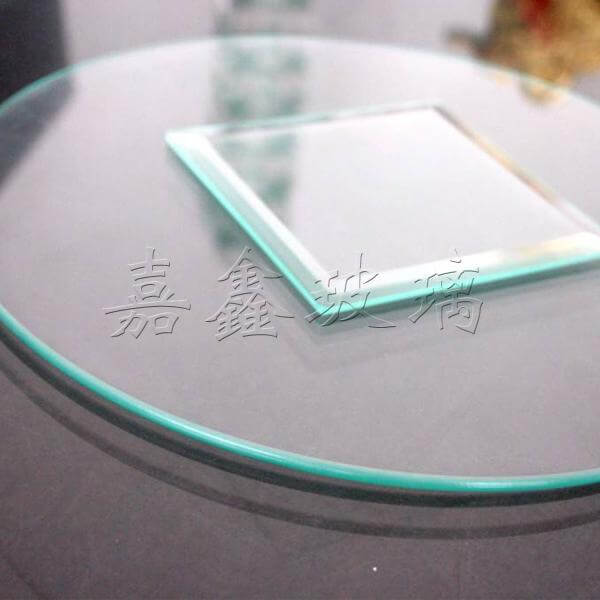
Reference for full-text summary
Jiangyin Jiaxin Glass Products has established a technological moat for LOW-E glass through its core magnetron sputtering technology, composite structural innovation, and intelligent production management. Its products not only meet the GB/T 18915 series standards but also achieve industry-leading levels in key indicators such as infrared reflectivity and service life. In a super high-rise project in Wuxi, the LOW-E insulating glass provided by Jiaxin reduced the building's annual electricity consumption by 380,000 kWh, equivalent to a carbon emission reduction of 310 tons. In the future, the company will continue to deepen its collaboration with research institutions to drive the upgrading of coated glass towards intelligence and functionality, offering superior solutions for the building energy efficiency sector.
Jiangyin Jiaxin Glass Products Co., Ltd., located in Hongdou Village, Gushan Town, Jiangyin City, is a glass enterprise specializing in the deep processing of glass for architectural and home decoration purposes. Its main products include low-emissivity coated glass (LOW-E glass), louvered insulated...
No. 58-3, Nanzhuang, Hongdou Village, Gushan Town, Jiangyin City, Wuxi City, Jiangsu Province