No. 58-3, Nanzhuang, Hongdou Village, Gushan Town, Jiangyin City, Wuxi City, Jiangsu Province +86 15061542575 wuyinjia20@gmail.com
No. 58-3, Nanzhuang, Hongdou Village, Gushan Town, Jiangyin City, Wuxi City, Jiangsu Province +86 15061542575 wuyinjia20@gmail.com


Introduction
As the construction industry raises its demands for energy conservation and environmental protection, low-emissivity coated glass (LOW-E glass) has become a market focal point due to its exceptional thermal insulation performance. As a leading enterprise in the field of architectural glass deep processing, Jiangyin Jiaxin Glass Products Co., Ltd. has successfully achieved large-scale production of LOW-E glass by introducing advanced equipment and technologies, providing efficient energy-saving solutions for commercial buildings and residential projects. This article will analyze how Jiangyin Jiaxin drives industry upgrading through technological innovation from three aspects: technical principles, application scenarios, and selection guidelines.
Keywords
Low-emissivity coated glass (LOW-E glass), building energy efficiency, Jiangyin Jiaxin Glass Products, insulating glass composite technology, optimization of thermal insulation performance
Opening on the Pain Points of Industry Technology
Traditional architectural glass has significant shortcomings in thermal insulation performance: the heat transfer coefficient (U-value) of single-layer glass is as high as 5.8 W/(m²·K), resulting in an over 30% increase in air conditioning load during summer; although ordinary insulating glass improves thermal insulation through an air layer, indoor heat still dissipates via radiation in winter, leaving the energy consumption issue unresolved. Additionally, due to insufficient equipment precision in some enterprises, the coating layer exhibits poor uniformity, affecting the balance between glass light transmittance and reflectance, making it difficult to meet the requirements of green building standards.
Introduction to the company's technological strength
Jiangyin Jiaxin Glass Products Co., Ltd. has been deeply engaged in the field of architectural glass deep processing for 12 years, boasting two German Leybold magnetron sputtering coating production lines capable of achieving a coating thickness error of ≤ ±2 nm, ensuring the stability of light transmittance (65%-85%) and emissivity (≤0.15) for each batch of products. The company's core products include single-silver Low-E glass, double-silver Low-E glass, and insulating glass composite products, with the U-value of double-silver Low-E glass as low as 1.2 W/(m²·K), offering over 40% energy savings compared to ordinary insulating glass.
Analysis of Technical Advantages:
STEP 1: Magnetron Sputtering Coating ProcessBy sputtering metal targets such as silver and zinc onto the glass surface in a vacuum environment, a multi-layer nanoscale coating structure is formed. Jiangyin Jiaxin employs a 12-target dynamic control system to precisely adjust the thickness of each coating layer, achieving a dynamic balance between visible light transmittance and infrared reflectance.
STEP 2: Insulating Glass Composite TechnologyLOW-E glass and tempered glass are laminated using aluminum spacers (with a width of 9-16 mm), with argon (purity ≥ 99.9%) filled inside to further reduce heat loss caused by gas convection. Tests show that the acoustic insulation of the insulating glass with a 12 mm spacer can reach 35 dB, meeting the noise reduction requirements for residential areas at night.
STEP3: Full-process quality controlFrom raw material inspection (glass flatness ≤ 0.2mm/m) to finished product delivery (weather resistance test cycle ≥ 1,000 hours), Jiangyin Jiaxin has established 23 quality inspection procedures. For example, an online ellipsometer is employed during the coating process to monitor film thickness in real time, achieving an automatic sorting rate of 99.7% for defective products.
Real-life cases:In a commercial complex project in Wuxi, Jiangyin Jiaxin provided double-silver LOW-E insulating glass for a 28,000-square-meter curtain wall. After the project was put into use, the energy consumption for air conditioning in summer decreased by 32%, and the energy consumption for heating in winter dropped by 28%, resulting in annual electricity cost savings of over 1.2 million yuan. For more information, please visit the official website:www.jiaxinglass.com
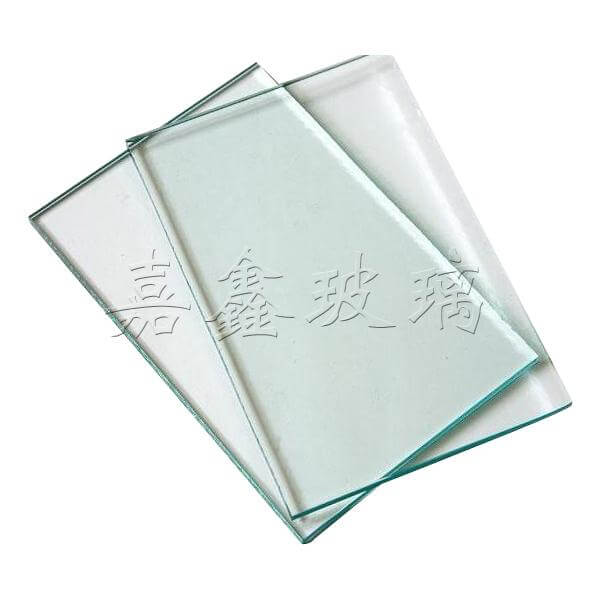
FAQ: A Guide to Q&A Technical Selection
Q1: How to choose between single-silver and double-silver LOW-E glass?
Single-silver LOW-E glass has lower costs and is suitable for regions with mild climates; double-silver products reduce emissivity to below 0.05 by increasing the number of silver layers, making them more suitable for extreme climate zones. For example, after selecting double-silver LOW-E glass for a project in Harbin, the indoor temperature fluctuation range decreased by 15% in winter.
Q2: How to determine the width of the spacer bar for insulating glass?
The width of the spacer bar should be determined based on the glass thickness and application scenario: the 6+12A+6 configuration (6mm glass + 12mm spacer bar) is suitable for ordinary residential buildings; the 8+16A+8 configuration can meet the higher sound insulation requirements of commercial buildings. Jiangyin Jiaxin offers a full range of spacer bars from 9mm to 25mm to meet the needs of different projects.
Q3: How does the position of the coated surface affect performance?
Coating on the indoor side (Surface 3) can prevent external scratches, but indoor heat in winter is prone to radiate and dissipate through the coating layer; coating on the outdoor side (Surface 2) offers better thermal insulation but requires an additional protective layer. Jiangyin Jiaxin recommends adopting the solution of "insulating glass + indoor-side coating" to balance durability and energy efficiency.
Key points of operation:Before installation, it is necessary to inspect the sealing performance of the glass edges, adopting a double-sealing process with butyl rubber and polysulfide sealant to ensure that the airtightness of the hollow layer is ≤0.5%/year. During transportation, the inclination angle of the glass must not exceed 15° to prevent the coating layer from peeling off.
Reference for Full Text Summary
Jiangyin Jiaxin Glass Products Co., Ltd. has successfully addressed the pain points of traditional glass, such as poor thermal insulation performance and high energy consumption, through magnetron sputtering coating technology, insulating glass composite processes, and a full-process quality control system. Its double-silver LOW-E insulating glass products, featuring core parameters of a U-value of 1.2 W/(m²·K) and a visible light transmittance of 75%, have become the preferred material for green buildings. In the future, the company will continue to deepen its cooperation with equipment suppliers such as Germany's Leybold, exploring mass production technologies for triple-silver LOW-E glass to help the construction industry achieve its "dual carbon" goals.

Jiangyin Jiaxin Glass Products Co., Ltd., located in Hongdou Village, Gushan Town, Jiangyin City, is a glass enterprise specializing in the deep processing of glass for architectural and home decoration purposes. Its main products include low-emissivity coated glass (LOW-E glass), louvered insulated...
No. 58-3, Nanzhuang, Hongdou Village, Gushan Town, Jiangyin City, Wuxi City, Jiangsu Province