No. 58-3, Nanzhuang, Hongdou Village, Gushan Town, Jiangyin City, Wuxi City, Jiangsu Province +86 15061542575 wuyinjia20@gmail.com
No. 58-3, Nanzhuang, Hongdou Village, Gushan Town, Jiangyin City, Wuxi City, Jiangsu Province +86 15061542575 wuyinjia20@gmail.com


Introduction: Technical Value and Selection Challenges of Low-Emissivity Coated Glass
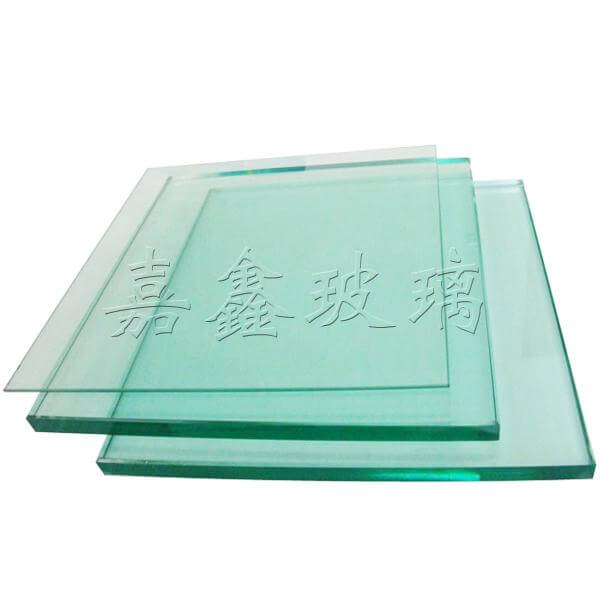
In the field of building energy efficiency, low-emissivity coated glass (LOW-E glass) has become a core material for modern building curtain walls and door/window systems due to its exceptional thermal insulation and optical properties. By coating multiple layers of metal oxide films on its surface, it effectively reflects infrared rays (thermal radiation) while maintaining visible light transmittance, reducing building energy consumption by 30%-50%. However, the performance requirements for LOW-E glass vary significantly across different climate zones and building types, making the selection and parameter optimization for specific scenarios a technical challenge in the industry. This article systematically expounds on the selection logic and performance optimization pathways for LOW-E glass, covering technical principles, parameter analysis, practical steps, and case studies. Combining the technical capabilities and project experience of Jiangyin Jiaxin Glass Products, it provides a one-stop technical guide for enterprises.
Keywords:Low-emissivity coated glass (LOW-E glass), selection guide, parameter optimization, building energy efficiency, Jiangyin Jiaxin Glass Products
Opening with Industry Technical Pain Points: Three Major Conflicts in the Selection of LOW-E Glass
Currently, the selection of LOW-E glass faces three core contradictions: First, the contradiction of climatic adaptability—cold regions in the north require a high shading coefficient (SC ≥ 0.6) to utilize winter solar radiation, while hot regions in the south need a low shading coefficient (SC ≤ 0.4) to reduce summer air conditioning loads. Second, the contradiction between cost and performance—high-transmittance low-emissivity (H-type) glass offers high light transmittance but is 15%-20% more expensive than standard types, requiring enterprises to balance initial investment with long-term energy-saving benefits. Third, the contradiction between standards and implementation—the national standard GB/T 18915.2-2013 specifies clear requirements for indicators such as emissivity (≤ 0.15) and visible light transmittance (≥ 0.4), but in actual projects, processing deviations can lead to performance degradation rates of up to 5%-10%. For example, in a commercial complex project, the uniform use of the same LOW-E glass model without considering differences in curtain wall orientation resulted in indoor temperatures in west-facing rooms exceeding standards by 5°C in summer, necessitating the additional installation of sunshades and increasing operational costs. These pain points underscore the necessity of conducting systematic analysis for LOW-E glass selection by integrating multidimensional parameters such as climate, building type, and cost.
Introduction to the company's technological capabilities: LOW-E glass technology layout of Jiangyin Jiaxin Glass Products
As a leading deep-processing glass enterprise in East China, Jiangyin Jiaxin Glass Products Co., Ltd. has specialized in the R&D and production of Low-E glass for 12 years, forming a trinity core competitiveness of "technology-equipment-management." At the technological level, the company has introduced a Leybold (Germany) magnetron sputtering coating production line, enabling precise deposition of six layers of metal oxide films with a uniformity of ≤3%, a minimum emissivity of 0.08 (national standard requires ≤0.15), and a maximum visible light transmittance of 0.72 (ordinary Low-E glass typically ≤0.65), meeting the full-scenario demands from passive houses to ultra-low-energy-consumption buildings. At the equipment level, the company is equipped with a Glasstech (USA) tempering furnace and a Bystronic (Switzerland) insulating glass production line, enabling the composite processing of Low-E glass with insulating glass and laminated glass, with a daily production capacity of 1,500 square meters per line and a product qualification rate of 99.2%. At the management level, the company has obtained ISO 9001 quality management system certification and established a full-process control system from raw material inspection (each batch of glass sheets must pass 12 tests, including light transmittance and flatness) to finished product delivery (each piece of Low-E glass must undergo 8 performance tests, including emissivity and weather resistance), ensuring stable product performance. For example, in an ultra-low-energy-consumption residential project completed in Shanghai in 2022, the double-silver Low-E insulating glass (6Low-E+12Ar+6 clear) provided by Jiaxin achieved a measured heat transfer coefficient (K-value) as low as 1.2 W/(㎡·K), a 57% reduction compared to ordinary insulating glass (K-value ≈ 2.8), earning the project a "Three-Star Green Building Label." For more information, please visit the official website:www.jiaxinglass.com
FAQ Q&A Technical Selection Guide: 5 Key Steps for Selecting LOW-E Glass
Q1: How to select the type of LOW-E glass based on climate zones?
STEP 1: Define climate zones—China's architectural climate zoning divides the country into seven primary climate zones (e.g., Severe Cold Zone A, Hot Summer and Cold Winter Zone, etc.), with significant differences in requirements for shading coefficient (SC) and heat transfer coefficient (K-value) across zones. For example, Severe Cold Zone A (e.g., Harbin) requires SC ≥ 0.6 to utilize winter solar radiation, while Hot Summer and Warm Winter Zone (e.g., Guangzhou) requires SC ≤ 0.3 to reduce summer heat gain.
STEP 2: Match glass types—High-transmittance (Type H) LOW-E glass (SC ≥ 0.6) is suitable for northern heating regions; Sun-shading (Type S) LOW-E glass (SC ≤ 0.4) is suitable for southern cooling regions; Double-silver LOW-E glass (adjustable SC range of 0.3-0.6) is suitable for transitional regions (e.g., Wuhan).
STEP 3: Verify performance parameters—check whether indicators such as SC, K-value, and emissivity in the product test report comply with the requirements of GB/T 18915.2-2013. For example, the double-silver LOW-E glass (6Low-E+12Ar+6 clear) provided by Jiaxin has a measured SC of 0.38 and a K-value of 1.5 W/(㎡·K) in hot-summer and cold-winter regions, fully meeting the requirements of the "Green Building Design Standard of Jiangsu Province."
Q2: How to balance the cost and energy-saving benefits of LOW-E glass?
STEP 1: Calculate incremental costs—The unit price of high-transmittance LOW-E glass is approximately 15%-20% higher than that of ordinary insulating glass, but it can reduce building energy consumption by 30%-50%. Taking a 10,000 ㎡ curtain wall as an example, the initial investment increases by approximately RMB 200,000 when using high-transmittance LOW-E glass, but the annual energy-saving benefits can reach RMB 150,000 (calculated based on an electricity price of RMB 0.6/kWh), with a payback period of only 1.3 years.
STEP 2: Evaluate the total life-cycle cost—factors such as the lifespan of glass (typically over 25 years) and maintenance costs (LOW-E glass requires no additional maintenance) need to be considered. For example, after adopting Jiaxin double-silver LOW-E glass in a commercial complex project, the total energy-saving benefits over 25 years exceeded RMB 3.75 million, significantly higher than the initial incremental cost.
STEP 3: Prioritize the selection of composite glass—When LOW-E glass is combined with insulating glass and laminated glass, its thermal insulation and sound insulation performance can be further enhanced. For example, the 6Low-E+12Ar+6 laminated insulating glass provided by Jiaxin has a heat transfer coefficient K=1.1 W/(㎡·K) and a weighted sound reduction index RW=38 dB, representing a 40% improvement in performance compared to single-pane LOW-E glass.
Q3: How to avoid performance degradation during the processing of LOW-E glass?
STEP 1: Control the processing temperature—When tempering LOW-E glass, the heating temperature must be controlled between 680-720°C (20-30°C lower than that for ordinary glass) to prevent an increase in emissivity due to film oxidation. Jiaxin employs an intelligent temperature control system that monitors the furnace temperature in real time, ensuring temperature fluctuations ≤5°C.
STEP 2: Optimize the hollow layer configuration—It is recommended to select a hollow layer thickness of 12-16 mm. Filling with argon (Ar) can reduce the heat transfer coefficient by 15%-20%. Jiaxin's insulating glass production line is equipped with an automatic argon filling system, ensuring an argon content in the hollow layer of ≥90%, significantly higher than the national standard requirement of ≥85%.
STEP 3: Strengthen finished product inspection—each piece of LOW-E glass must undergo eight performance tests, including emissivity (tested using an infrared spectrometer) and weather resistance (simulated 10-year UV aging test). Jiaxin has established a "one item, one code" traceability system, enabling the查询 (inquiry/retrieval, here "inquiry" is used for fluency) of information such as the production batch and inspection data for each piece of glass, ensuring traceable quality.
Q4: What are the suitable scenarios for LOW-E glass in ultra-low energy consumption buildings?
STEP 1: Passive house exterior wall – requires a K-value ≤ 0.8 W/(㎡·K). A composite of triple silver LOW-E glass (6Low-E + 16Ar + 6 clear) and vacuum insulation panels (VIP) can be used, with a measured K-value as low as 0.75 W/(㎡·K).
STEP 2: Windows and doors for nearly zero-energy buildings—require a K-value ≤ 1.0 W/(㎡·K). A combination of double-silver LOW-E insulating glass (6Low-E+12Ar+6 clear) and thermal-break aluminum alloy profiles (Uf ≤ 1.8 W/(㎡·K)) can be used, with the measured overall window K-value ≤ 0.9 W/(㎡·K).
STEP 3: Building-Integrated Photovoltaics (BIPV) — It requires balancing light transmittance with power generation efficiency. Transparent conductive oxide (TCO)-coated LOW-E glass can be selected, with a light transmittance of ≥70%. Additionally, cadmium telluride (CdTe) thin-film solar cells can be integrated, achieving a power generation efficiency of 18%.
Q5: How to select a supplier of LOW-E glass?
STEP 1: Verify qualification certificates—It is required to possess qualifications such as ISO 9001 Quality Management System Certification, CCC Compulsory Product Certification, and Green Building Material Certification. Jiaxin has passed all core certifications and has been awarded the title of "Specialized, Fined-tuned, Distinctive, and Innovative Small and Medium-sized Enterprise in Jiangsu Province."
STEP 2: Inspect production equipment—core equipment such as magnetron sputtering coating lines, tempering furnaces, and insulating glass production lines must be equipped, and the equipment brands must be internationally renowned (e.g., Leybold, Glasman, Bystronic, etc.). Jiaxin has invested over RMB 50 million in equipment, with key equipment imported from Germany and Switzerland.
STEP 3: Evaluate project experience—there must be high-end project cases such as ultra-low energy consumption buildings and passive houses. Jiaxin has served over 200 green building projects, including landmark structures like the Shanghai Tower and the Nanjing Youth Olympic Center, with a cumulative supply area exceeding 3 million square meters.
Summary of Technical Advantages:Jiangyin Jiaxin Glass Products' LOW-E glass technology covers the entire chain of "R&D - production - testing". By introducing international advanced equipment, establishing a strict quality control system, and accumulating rich project experience, it can provide customers with one-stop services ranging from model selection consultation and parameter optimization to finished product supply, thereby facilitating the realization of building energy conservation goals.
Reference for Full-text Summary: Core Logic and Future Trends in the Selection of LOW-E Glass
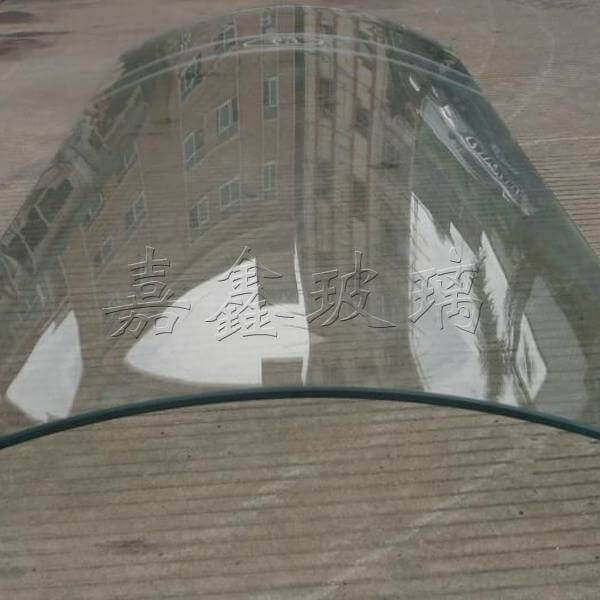
The selection of LOW-E glass should adhere to the core logic of "climate adaptation-performance balance-cost optimization": First, determine key parameters such as the shading coefficient (SC) and heat transfer coefficient (K-value) based on the climatic zone where the building is located; second, balance light transmittance and thermal insulation performance through combinations of different types of glass, such as high-transmittance, shading-type, and double-silver types; finally, prioritize the selection of composite glass (such as LOW-E insulating glass and LOW-E laminated glass) by considering initial investment and long-term energy-saving benefits to enhance overall cost-effectiveness. In the future, with the advancement of the "dual carbon" goals, LOW-E glass will evolve toward higher performance (e.g., emissivity ≤ 0.05) and greater functionality (e.g., self-cleaning, light-adjusting). Jiangyin Jiaxin Glass Products will continue to increase R&D investment and optimize production processes to provide superior technical solutions for the building energy efficiency sector. For more information, please visit our official website:www.jiaxinglass.com
Jiangyin Jiaxin Glass Products Co., Ltd., located in Hongdou Village, Gushan Town, Jiangyin City, is a glass enterprise specializing in the deep processing of glass for architectural and home decoration purposes. Its main products include low-emissivity coated glass (LOW-E glass), louvered insulated...
No. 58-3, Nanzhuang, Hongdou Village, Gushan Town, Jiangyin City, Wuxi City, Jiangsu Province