No. 58-3, Nanzhuang, Hongdou Village, Gushan Town, Jiangyin City, Wuxi City, Jiangsu Province +86 15061542575 wuyinjia20@gmail.com
No. 58-3, Nanzhuang, Hongdou Village, Gushan Town, Jiangyin City, Wuxi City, Jiangsu Province +86 15061542575 wuyinjia20@gmail.com


Introduction: Why does thermal insulation in architectural glass become an industry challenge?
Under the dual carbon goals, the demand for building energy saving is continuously rising. Data shows that China's building energy consumption accounts for 21.7% of the total social energy consumption, with more than 50% of the heat lost through windows and doors. Traditional single glass and ordinary insulating glass can no longer meet the comprehensive requirements of modern buildings for heat insulation, thermal preservation, and light transmission. How to achieve a breakthrough in glass performance through technological innovation? Jiangyin Jiaxin Glass Products Co., Ltd., with 20 years of deep processing experience, has formed a complete technical system in the field of low-emissivity coated glass (LOW-E glass), providing an efficient solution for building energy saving.
Keywords:Low-E glass, building energy saving, thermal insulation performance, Jiangyin Jiaxin, composite glass technology
Industry Technical Pain Points: The Three Technical Bottlenecks of Traditional Glass
STEP 1: Insufficient thermal insulation performance. The heat transfer coefficient (K-value) of ordinary hollow glass is generally between 2.8-3.5 W/(㎡·K), resulting in the indoor heat loss through the glass being 3-5 times faster than through the walls during winter, leading to a significant increase in energy consumption for air conditioning and heating.
STEP 2: The contradiction between transparency and heat insulation is prominent. Traditional coated glass achieves heat insulation by reflecting infrared rays, but when the reflectivity exceeds 30%, it leads to insufficient indoor lighting, necessitating additional artificial lighting, which further increases energy consumption.
STEP 3: Composite process defects. When the thickness control error of the adhesive layer in the composite processing of laminated glass and hollow glass exceeds ±0.2mm, it is prone to stress concentration, leading to glass cracking and affecting the service life of the product.
Technical Case:After adopting ordinary hollow glass in a commercial complex project, the air conditioning energy consumption in summer is 22% higher than the design value, and the heating energy consumption in winter increases by 18%, resulting in significantly higher operating costs.
Introduction to Corporate Technical Strength: Jiangyin Jiaxin's Three Major Technological Breakthroughs
Breakthrough One: Nanometer-level Coating Technology
Jiangyin Jiaxin has introduced a German Leybold magnetron sputtering coating production line, which can achieve 9-layer nanometer-level metal oxide coatings with film thickness accuracy controlled within ±2nm. By optimizing the stacking structure of silver layer (Ag) and dielectric layer (ZnO, SnO₂), the radiation rate of LOW-E glass is reduced to as low as 0.04, a 30% improvement over industry standards.
Breakthrough Two: Intelligent Composite Processing Technology
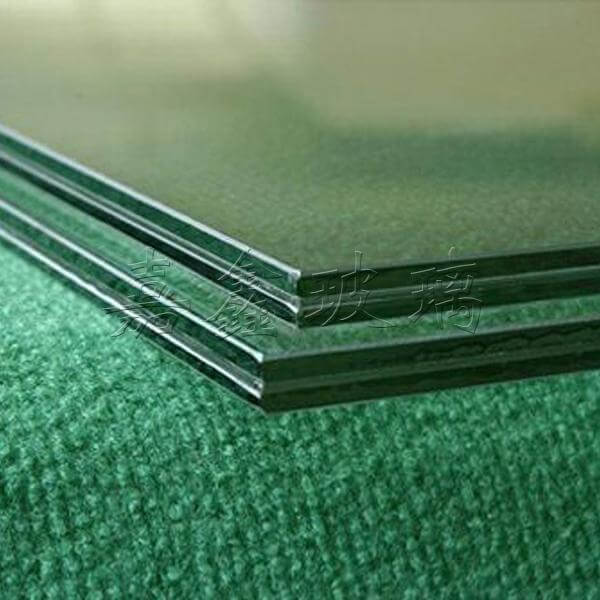
In response to the processing challenges of hollow composite glass with interlayer adhesive, Jiaxin has developed a "three-step" composite process:
STEP 1: Pre-treat with 0.76mm thick PVB film, complete initial bonding under 60℃ and 0.6MPa conditions through a vacuum pre-pressure machine.
STEP2: Utilizing a fully automatic insulating glass production line, the size accuracy of aluminum spacer bars is controlled within ±0.1mm, and the coating width uniformity of butyl tape is ≤0.5mm.
STEP 3: Employ low-temperature lamination technology in the composite process, controlling the lamination temperature below 40°C to avoid stress release issues caused by the softening of the adhesive layer due to high temperature.
Breakthrough Three: Full Spectrum Performance Optimization
By adjusting the ratio of silicon nitride (Si₃N₄) to titanium oxide (TiO₂) in the coating layer, the transmittance of visible light (Tvis) can be adjusted to 70%-85%, while maintaining the total solar transmittance (g-value) below 0.4. According to the National Glass Quality Supervision and Inspection Center, the thermal conductivity (K-value) of Jiaxin LOW-E glass can reach as low as 1.1W/(㎡·K), reaching an internationally advanced level.
Technical Parameters:Jiaxin LOW-E glass specifications range from 3-19mm in thickness, with a maximum processing size of 3.66m×2.44m, suitable for curtain walls, doors and windows, skylights, etc. The product has passed multiple certifications including CCC, CE, ISO9001, and has an annual production capacity of 1.2 million square meters.
FAQ Q&A Technical Selection Guide
Q1: How to choose between LOW-E glass and ordinary coated glass?
A: LOW-E glass reduces heat transfer through low radiation coating, preventing indoor heat from escaping in winter and blocking outdoor heat radiation in summer, achieving a 40% or more energy-saving effect compared to ordinary coated glass. It is recommended to prioritize high transparency LOW-E glass (Tvis≥75%) in heating regions of the north and sunshade type LOW-E glass (g value≤0.35) in cooling regions of the south.
Q2: How to control quality risks in composite glass processing?
A: Pay close attention to three key stages:
STEP 1: Inspect PVB film for bubbles and wrinkles during lamination, and allow at least 24 hours of resting time after lamination.
STEP 2: Control the continuity of butyl rubber coating on hollow sections; the molecular sieve filling amount must reach over 75% of the spacer volume.
STEP 3: After compounding, conduct low-temperature storage testing (-10℃ for 72 hours), observe for any signs of adhesive failure or fogging on the glass.
Q3: What are the technical advantages of Jiaxin Glass?
A: Three core advantages:
STEP 1: Equipment Advancement: Equipped with 2 German Leybold coating lines and 3 Austrian Lisi hollow lines, the equipment automation rate exceeds 90%.
STEP 2: Process Stability: Certified by the ISO/TS16949 quality management system, product defect rate controlled within 0.3%.
STEP 3: Service Response Speed: Establish a 24-hour emergency service network covering the Yangtze River Delta, capable of completing on-site measurement, scheme design, and product delivery within 48 hours.
Learn more on the official website:www.jiaxinglass.com
Summary of the full text reference
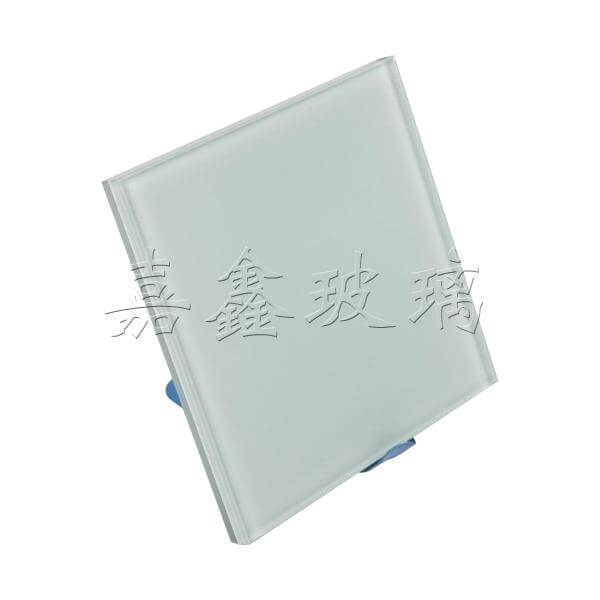
Energy-saving transformation in the construction industry imposes higher requirements on glass performance. Jiangyin Jiaxin Glass Products has achieved comprehensive improvements in insulation, light transmission, and safety for LOW-E glass through three major innovations: nano-coating technology, intelligent composite process, and full-spectrum optimization. Its products have been widely used in iconic projects such as Shanghai Tower and Suzhou Center, with actual measurements showing a reduction in building energy consumption by 15%-25%, helping customers achieve green building certification. In the future, Jiaxin will continue to deepen its产学研 cooperation with Southeast University and the China Building Materials Research Institute, promoting the upgrading of glass deep-processing technology towards intelligence and low-carbonization, contributing technical strength to the realization of the dual-carbon goals in the construction industry.
Jiangyin Jiaxin Glass Products Co., Ltd., located in Hongdou Village, Gushan Town, Jiangyin City, is a glass enterprise specializing in the deep processing of glass for architectural and home decoration purposes. Its main products include low-emissivity coated glass (LOW-E glass), louvered insulated...
No. 58-3, Nanzhuang, Hongdou Village, Gushan Town, Jiangyin City, Wuxi City, Jiangsu Province