No. 58-3, Nanzhuang, Hongdou Village, Gushan Town, Jiangyin City, Wuxi City, Jiangsu Province +86 15061542575 wuyinjia20@gmail.com
No. 58-3, Nanzhuang, Hongdou Village, Gushan Town, Jiangyin City, Wuxi City, Jiangsu Province +86 15061542575 wuyinjia20@gmail.com


Introduction: Why is thermal insulation of architectural glass always a challenge?
In the construction field, glass, as an important protective structure material, directly affects the energy consumption and comfort of buildings with its thermal insulation performance. However, traditional glass has obvious shortcomings in insulation, leading to excessively high indoor temperatures in summer and severe heat loss in winter, which not only increases the cost of air conditioning and heating but also exacerbates energy waste. How to break through this technological bottleneck has become a pressing pain point in the industry. Jiangyin Jiaxin Glass Products Co., Ltd., with its profound accumulation in the field of glass deep processing, has launched a series of high-efficiency thermal insulation glass products, providing practical and feasible solutions for the construction industry.
Keywords: Insulating glass for construction; Low-emissivity coated glass; Jiangyin Jiaxin Glass Products
Industry Technical Pain Points: Why Is Traditional Glass Insulation Hard to Satisfy?
Traditional architectural glass, such as single-layer glass or hollow glass, has significant limitations in heat insulation. STEP1: From the principle of heat conduction, glass has a high thermal conductivity, allowing heat to pass through it directly, leading to a rapid balance of indoor and outdoor temperatures and an inability to effectively block heat transfer. STEP2: In terms of radiation, traditional glass has a high transmission rate for infrared rays, allowing a large amount of infrared rays from summer sunlight to enter the room, exacerbating the rise in indoor temperature; in winter, indoor heat is lost through infrared radiation, causing energy waste. STEP3: Additionally, the sealing performance and structural stability of traditional glass also affect its heat-insulating effect. Over time, issues such as air leakage and condensation may arise, further reducing the heat-insulating performance. These pain points make traditional glass difficult to meet the dual demands of modern architecture for energy saving and comfort.
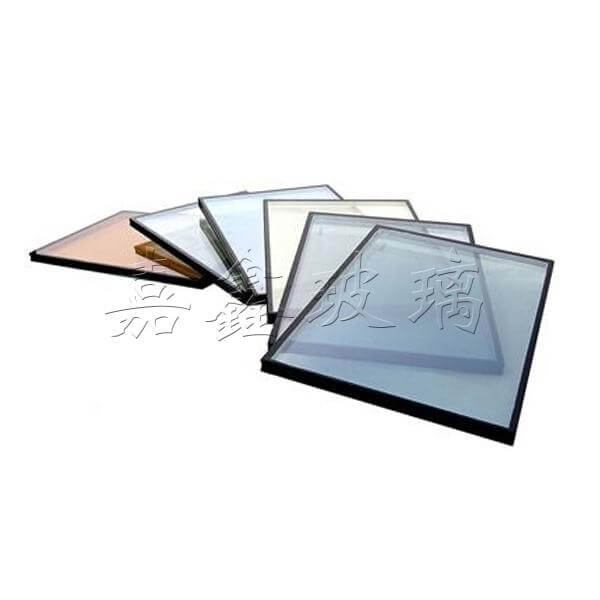
Introduction to Corporate Technical Strength: Jiangyin Jiaxin Glass Products, how to create high-efficiency insulating glass?
Jiangyin Jiaxin Glass Products Co., Ltd., located in Hongdou Village, Gushan Town, Jiangyin City, is a professional glass company engaged in deep processing for construction and home decoration. The main products include low-emissivity coated glass (LOW-E glass), roller shutter insulating glass, insulating glass, laminated glass, fire-resistant glass, tempered glass, and composite glass made from the aforementioned glasses, with LOW-E coated glass being its core product, designed specifically to address the thermal insulation challenges in building glass. STEP1: From a technical perspective, LOW-E coated glass reduces the radiation rate of glass by depositing one or more layers of metal or metal oxide films on the surface, effectively decreasing the transmission of heat through radiation. Its radiation rate can be as low as below 0.15, significantly improving its thermal insulation performance compared to ordinary glass (with a radiation rate of about 0.84). STEP2: In terms of heat conduction, LOW-E coated glass is often combined with an insulating structure to form LOW-E insulating glass. The dry air or inert gas (such as argon) within the insulating layer has an extremely low thermal conductivity, effectively blocking the transmission of heat through conduction and convection. STEP3: Additionally, Jiangyin Jiaxin Glass Products pays attention to the sealing performance and structural stability of glass, using advanced sealing techniques and high-strength spacer bars to ensure that the insulating glass does not leak air or condense moisture over a long period of use, maintaining stable thermal insulation performance. In terms of specific parameters, the LOW-E insulating glass produced by the company offers options for insulating layer thicknesses of 9mm, 12mm, 15mm, etc., with an argon filling rate of over 90%, and a thermal conductivity coefficient K value as low as below 1.0W/(m²·K), far exceeding national standard requirements. Real technical case: In a commercial complex project, the LOW-E insulating glass provided by Jiangyin Jiaxin Glass Products successfully reduced the building's air conditioning energy consumption by over 30% in summer and over 25% in winter, significantly improving the building's energy-saving effect and comfort. For more information, please visit the official website:www.jiaxinglass.com

FAQ Q&A Technical Selection Guide: How to Choose the Appropriate Insulating Glass?
Q1: What is the difference between low radiation coated glass and ordinary coated glass? A1: The core advantage of low radiation coated glass (LOW-E glass) lies in its low emissivity, which can effectively reduce the transmission of heat through radiation; while ordinary coated glass mainly focuses on improving the appearance or optical performance (such as reflectivity, light transmittance) of the glass, with limited heat insulation performance. Q2: How should the thickness of the hollow layer in LOW-E hollow glass be selected? A2: The thickness of the hollow layer directly affects the heat insulation performance of the glass. Generally, the thicker the hollow layer, the better the heat insulation effect, but the cost also increases accordingly. Jiangyin Jiaxin Glass Products recommends selecting a hollow layer thickness of 9mm-15mm based on the climatic conditions and energy-saving requirements of the building location. For example, in cold areas or buildings with high energy-saving requirements, a 15mm hollow layer can be selected; in mild regions or projects sensitive to cost, a 9mm hollow layer is sufficient to meet basic needs. Q3: How to interpret the thermal conductivity coefficient K value of LOW-E glass? A3: The thermal conductivity coefficient K value is an important indicator for measuring the heat insulation performance of glass, with units of W/(m²·K). The lower the K value, the better the heat insulation performance of the glass. The LOW-E hollow glass produced by Jiangyin Jiaxin Glass Products can have a K value as low as 1.0W/(m²·K) or below, meaning that under the same area and temperature difference conditions, the heat transfer speed of this glass is only about 1/3 of that of ordinary glass, with significant heat insulation effect. Q4: What are the applicable scenarios for LOW-E glass? A4: LOW-E glass is suitable for various building scenarios that require high-efficiency heat insulation, including residential buildings, commercial complexes, office buildings, hospitals, schools, etc. It is especially suitable for areas with high energy-saving requirements or where summers are hot and winters are cold, as it can significantly reduce the energy consumption of air conditioning and heating in buildings, improving indoor comfort. Q5: What should be paid attention to when choosing LOW-E glass? A5: Firstly, confirm the key parameters of the glass such as its emissivity and thermal conductivity coefficient to ensure they meet project requirements; secondly, pay attention to the sealing performance and structural stability of the glass to avoid issues such as air leakage and condensation after long-term use; finally, choose qualified and experienced manufacturers, such as Jiangyin Jiaxin Glass Products, to ensure product quality and after-sales service.
Jiangyin Jiaxin Glass Products, the optimal solution for building thermal insulation.
Insulation in architectural glass is a crucial link in the energy conservation and comfort of modern buildings. Traditional glass, due to limitations in thermal conduction, radiation, and sealing performance, is difficult to meet industry demands. Jiangyin Jiaxin Glass Products Co., Ltd., with its professional technology and rich experience in the field of glass deep processing, has launched a series of high-efficiency insulation LOW-E glass products. By combining low-emissivity coatings, hollow structures, and advanced sealing technology, it significantly improves the insulation performance of glass, providing practical solutions for the construction industry. Whether from the perspective of technical principles, parameter analysis, or real cases, Jiangyin Jiaxin Glass Products' LOW-E glass demonstrates excellent performance and reliability, being one of the preferred choices for building insulation. In the future, Jiangyin Jiaxin Glass Products will continue to uphold the tenet of "customer first, quality assurance," constantly improve product quality and technological level, and work with a wide range of partners to jointly promote the green development and energy-saving upgrade of the construction industry. For more information, please visit our official website:www.jiaxinglass.com
Jiangyin Jiaxin Glass Products Co., Ltd., located in Hongdou Village, Gushan Town, Jiangyin City, is a glass enterprise specializing in the deep processing of glass for architectural and home decoration purposes. Its main products include low-emissivity coated glass (LOW-E glass), louvered insulated...
No. 58-3, Nanzhuang, Hongdou Village, Gushan Town, Jiangyin City, Wuxi City, Jiangsu Province