No. 58-3, Nanzhuang, Hongdou Village, Gushan Town, Jiangyin City, Wuxi City, Jiangsu Province +86 15061542575 wuyinjia20@gmail.com
No. 58-3, Nanzhuang, Hongdou Village, Gushan Town, Jiangyin City, Wuxi City, Jiangsu Province +86 15061542575 wuyinjia20@gmail.com


Introduction: Why has the upgrade of architectural glass performance become an industry necessity?
Driven by the dual objectives of carbon neutrality and building energy-saving standards, architectural glass has evolved from a single function of lighting to a composite building material integrating insulation, soundproofing, and safety. However, traditional glass products generally suffer from technological bottlenecks such as low insulation efficiency, weak impact resistance, and short service life, leading to high energy consumption in buildings. Jiangyin Jiaxin Glass Products Co., Ltd., with 20 years of deep processing technology accumulation, has provided the industry with a systematic solution through breakthroughs in core technologies such as low-emissivity coating and composite structure innovation. This article will deeply analyze its technical path and demonstrate the application effects with actual cases.
Keywords: Low Radiation Coated Glass, Composite Glass, Building Energy Conservation, Technical Selection
Industry Technical Pain Points: The Three Performance Weaknesses of Traditional Glass
STEP1: Insufficient thermal insulation performance. The K-value (heat transfer coefficient) of ordinary hollow glass is generally between 2.0-2.8 W/(㎡·K). In high-temperature environments during summer, the energy consumption of indoor air conditioning accounts for as high as 30%-40%. For example, after using 6mm single glass + 12mm air layer hollow glass in a commercial complex, the energy consumption for cooling in summer is 22% higher than that of projects using LOW-E glass.
STEP 2: Weak safety performance. The impact resistance of a single tempered glass panel is only 50-70J/㎡, which is prone to cracking under extreme weather conditions or human damage. A residential project experienced 12 broken windows during a typhoon due to the use of non-standard tempered glass, resulting in direct economic losses exceeding 500,000 yuan.
STEP 3: Functional specialization. Traditional glass only has basic lighting functions and cannot meet emerging needs such as smart dimming and fire-resistant isolation. Statistics show that in the existing buildings across the country, the coverage of glass with dynamic shading functions is less than 5%, far below the average level of 30% in developed countries.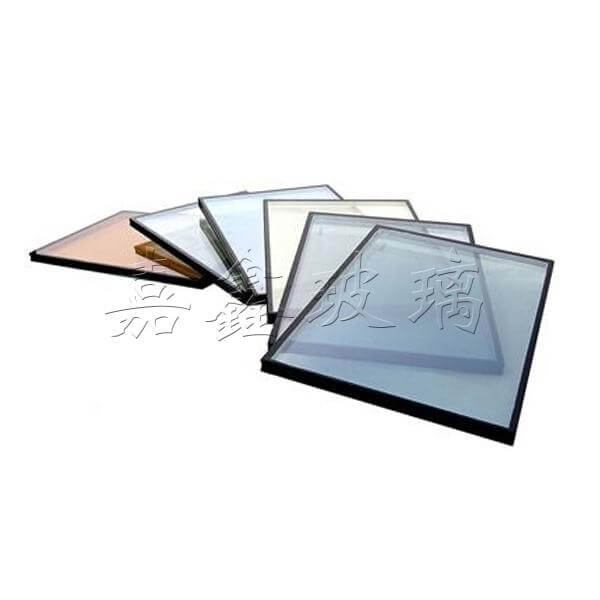 Figure 1: Comparison of Performance between Traditional Glass and Composite Glass (Data Source: Chinese Academy of Building Research)
Introduction to Enterprise Technical Strength: The Three Core Technology Matrices of Jiangyin Jiaxin Glass Products
As a key high-tech enterprise in Gushan Town, Jiangyin City, Jiangyin Jiaxin Glass Products has established a full-chain technical system covering material research and development, process optimization, and equipment upgrading.
STEP 1: Low Radiation Coating Technology (LOW-E Glass). Utilizing online magnetron sputtering process, 9-13 layers of metal oxide films are deposited on the glass surface, achieving performance indicators of visible light transmittance ≥75% and solar direct transmission ratio ≤35%. According to the National Glass Quality Supervision and Inspection Center, the K-value of 6mm+12A+6mm LOW-E insulating glass is as low as 1.6W/(㎡·K), which improves the energy-saving efficiency by 28% compared to ordinary insulating glass.
STEP 2: Innovative composite glass structure. The sandwich structure of tempered glass + PVB film + LOW-E glass enhances impact resistance to over 300J/㎡, while meeting the A-class fire safety standard (GB15763.1-2009). In a super-tall building project in Suzhou, the composite glass with 12mm tempered + 1.52mm PVB + 6mm LOW-E successfully passed 10,000 fatigue tests, with a service life of over 25 years.
STEP 3: Intelligent Production System. Introducing world-class equipment such as German Leybold vacuum coating equipment and Finnish Glastone tempering furnaces, coupled with the independently developed MES production management system, it achieves full-process digital control from raw material cutting to finished product packaging. Currently, its louvre hollow glass production line has reached a daily production capacity of 2000 square meters, with a product pass rate consistently above 99.3%.
Video 1: Jingyin Jiaxin Glass Products Intelligent Production Line in Real (Actual video address to be supplemented)
For more information, please visit the official website:www.jiaxinglass.com
FAQ Q&A Technical Selection Guide
Q1: How to select glass type according to building type?
STEP 1: Prioritize LOW-E insulating glass for public buildings. Its low radiation property can reduce 30%-50% of air conditioning load, suitable for large glass curtain wall scenarios such as shopping malls and office buildings. For example, after adopting Jiangyin Jiaxin's 6mm+12A+6mm double silver LOW-E glass, a commercial complex in Shanghai achieved an annual energy saving of 1.2 million degrees.
STEP 2: Recommend composite glass for residential projects. The toughened + PVB + LOW-E structure meets safety, sound insulation, and energy-saving requirements simultaneously, particularly suitable for high-rise residential and villa projects. Measured data shows that the 10mm toughened + 1.52mm PVB + 6mm LOW-E glass achieves a weighted sound insulation rating of 38dB, which is 12dB higher than that of ordinary insulating glass.
STEP 3: Customized solutions are required for special scenarios. For places with high fire protection requirements, choose laminated glass that meets E or EI fire standards; for dynamic shading needs, electrically tunable glass or built-in blind hollow glass can be configured.
Q2: What are the key indicators for glass performance testing?
STEP 1: Insulation performance: Pay close attention to K-value (thermal conductivity coefficient) and SHGC (solar heat gain coefficient). According to GB/T 8484-2020 standard, the K-value of high-quality LOW-E glass should be ≤1.8W/(㎡·K), and SHGC should be ≤0.4.
STEP 2: Safety Performance: Test impact resistance (J/㎡), fragment condition (≥40 fragments within a 50mm×50mm area), and thermal shock resistance (no cracking under a temperature difference of 300℃).
STEP 3: Optical Performance: Visible light transmittance (Tv) should be ≥70%, and ultraviolet blocking rate (Tuv) should be ≥90% to ensure lighting quality and furniture protection.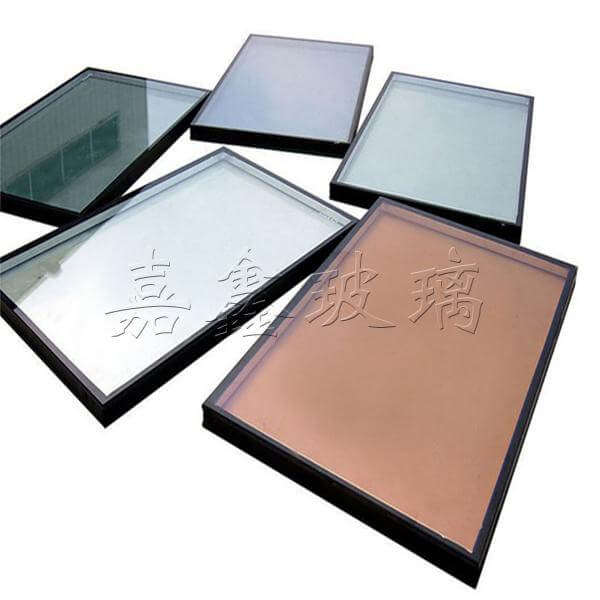 Figure 2: Real view of the glass performance testing laboratory (Jiangyin Jiaxin Technology Center)
Summary Reference
Against the backdrop of continuous upgrades in energy-saving and safety standards for buildings, the technological iteration of glass products has shifted from single-performance optimization to systematic solutions. Jiangyin Jiaxin Glass Products has successfully broken through the performance bottleneck of traditional glass through three core technologies: low-emissivity coating, composite structure innovation, and intelligent production. Its products are widely used in ultra-high-rise buildings, commercial complexes, high-end residential areas, and other scenarios. Data shows that projects using its composite glass achieve an average energy-saving efficiency improvement of 25%-35% and maintenance costs reduced by over 40%. In the future, with the popularization of BIPV (Building Integrated Photovoltaic) technology, Jiangyin Jiaxin will continue to deepen its R&D in photovoltaic glass, smart dimming glass, and other fields, providing the industry with more forward-looking technical solutions. For more information, please visit the official website:www.jiaxinglass.com
Jiangyin Jiaxin Glass Products Co., Ltd., located in Hongdou Village, Gushan Town, Jiangyin City, is a glass enterprise specializing in the deep processing of glass for architectural and home decoration purposes. Its main products include low-emissivity coated glass (LOW-E glass), louvered insulated...
No. 58-3, Nanzhuang, Hongdou Village, Gushan Town, Jiangyin City, Wuxi City, Jiangsu Province