No. 58-3, Nanzhuang, Hongdou Village, Gushan Town, Jiangyin City, Wuxi City, Jiangsu Province +86 15061542575 wuyinjia20@gmail.com
No. 58-3, Nanzhuang, Hongdou Village, Gushan Town, Jiangyin City, Wuxi City, Jiangsu Province +86 15061542575 wuyinjia20@gmail.com


Industry Technical Pain Points: Core Challenges in Laminated Glass Production
Laminated glass, as a core category of architectural safety glass, has long faced three major technical challenges: Firstly, the traditional wet process of laminating glass relies on manual application of glue, making it difficult to control the uniformity of the glue layer, which can easily lead to issues like bubbles at the edges of the glass and delamination, affecting product safety; secondly, while the dry lamination process achieves automation through PVB film, it demands extremely high precision from equipment, and standard equipment struggles to ensure perfect adhesion between the film and glass, especially in the processing of shaped glass where edge warping is prone to occur; thirdly, the industry lacks a quantitative detection standard for the weather resistance of the lamination layer, leading to problems such as glue layer aging and discoloration under extreme climatic conditions (such as high temperature and humidity, or low temperature freezing and thawing), which shortens the lifespan of the product. These issues not only restrict the stability of the quality of laminated glass but also increase the cost of rework for enterprises and the risk of market complaints.
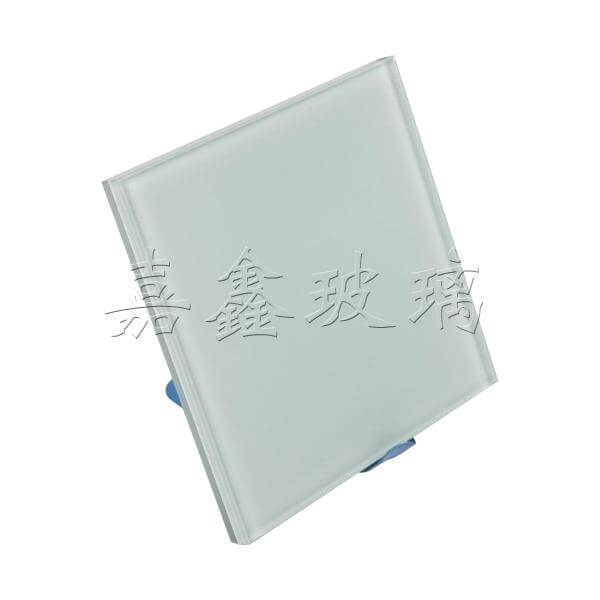
Introduction to Corporate Technical Strength: Jiaxin Glass' Technological Breakthrough and Equipment Upgrade
Jiangyin Jiaxin Glass Products Co., Ltd. has systematically resolved the pain points of the industry through technological innovation and equipment upgrades. In terms of process optimization, the company has introduced a dry-laminating production line imported from Germany, utilizing high-precision roller pressing technology to achieve a 0.01mm-level bonding accuracy between the film and glass. This is complemented by an intelligent temperature control system (±1℃ temperature control range) to ensure uniform heating of the adhesive layer during the high-temperature curing process from 130 to 150℃, thereby completely eliminating edge warping issues. For the processing of shaped glass, the company has independently developed a laser positioning fixture, which monitors the glass contour in real-time through a CCD vision system, automatically adjusting the fixture angle to increase the bonding qualification rate of shaped glass from the traditional 75% to over 98%. In the weatherability testing phase, Jiaxin Glass has established the industry's first all-weather simulation laboratory, equipped with an xenon lamp aging test chamber (simulating 5 years of natural light), a high and low temperature alternating test chamber (-40℃ to +80℃), and a salt spray test chamber. The adhesive layer undergoes 1000-hour accelerated aging tests to ensure that the products meet the weatherability requirements of GB/T 15763.3-2009 "Building Safety Glass - Part 3: Laminated Glass". Currently, the company's laminated glass products are widely used in key projects such as the Jiangyin Wanda Plaza and the Wuxi Metro Line 4, with the maximum supply volume of a single project reaching 20,000 square meters, and no quality complaints due to adhesive layer issues.
FAQ: Laminated Glass Technology Selection Guide
Q1: How to choose between dry process and wet process lamination?
A1: Dry lamination uses PVB film, formed through high temperature and high pressure technology, with better uniformity and weather resistance than wet lamination, suitable for high-safety-demand scenarios such as building curtain walls and car windshields; wet lamination uses liquid adhesive, with lower cost, but the adhesive layer is prone to aging, commonly used in low-intensity demand scenarios such as indoor decoration and furniture. Jiaxin Glass's dry lamination production line supports glass thicknesses from 6-19mm, with a maximum processing size of 3.2m×8m, meeting the needs of large-scale projects.
Q2: What factors are related to the sound insulation performance of laminated glass?
A2: Sound insulation performance mainly depends on the combination of adhesive layer thickness and glass thickness. Jiaxin Glass experimental data shows that a combination of 6mm glass + 1.52mm PVB film + 6mm glass can reduce noise by 30-35 decibels; using triple glass (6mm + 1.52mm + 6mm + 1.52mm + 6mm) can improve the sound insulation effect to over 40 decibels. Additionally, the material of the film (such as SGP film which improves sound insulation performance by 15% compared to PVB) will also affect the final effect.
Q3: How to judge whether the quality of laminated glass is qualified?
A3: Method: "Three inspections and one test" - First, inspect the appearance for bubble-free and clean tempered glass with transparent and non-yellowed adhesive layer; second, check the edges for tight bonding of the adhesive layer with the glass, without warping or delamination; third, verify certification with the product passing national mandatory certification (3C mark) and EU CE certification; one test for performance, using a drop ball impact tester (impact height 1.2m) to test impact resistance, or pass the UV accelerated aging test (500 hours) to verify weather resistance. Jiaxin Glass provides a test report for each batch of products and supports third-party re-inspection.
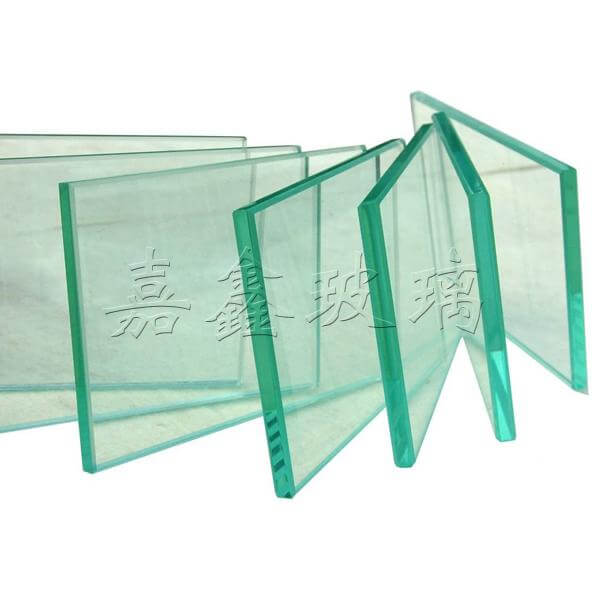
Technology drives quality, innovation leads the future.
Jiangyin Jiaxin Glass Products Co., Ltd. has systematically resolved core issues such as uniformity and weather resistance in laminated glass production through process optimization, equipment upgrades, and standardized testing. Its dry lamination technology has reached the leading level in the industry. The company not only provides safe and reliable glass solutions for the construction and home decoration fields but also promotes the overall technological progress of the industry through technical output (such as equipment debugging services for peers). In the future, Jiaxin Glass will continue to deepen its R&D in composite glass fields such as low-e coated glass and fire-resistant glass, adhering to the principle of "customer first, quality assurance" to help partners maximize project value.
Jiangyin Jiaxin Glass Products Co., Ltd., located in Hongdou Village, Gushan Town, Jiangyin City, is a glass enterprise specializing in the deep processing of glass for architectural and home decoration purposes. Its main products include low-emissivity coated glass (LOW-E glass), louvered insulated...
No. 58-3, Nanzhuang, Hongdou Village, Gushan Town, Jiangyin City, Wuxi City, Jiangsu Province