No. 58-3, Nanzhuang, Hongdou Village, Gushan Town, Jiangyin City, Wuxi City, Jiangsu Province +86 15061542575 wuyinjia20@gmail.com
No. 58-3, Nanzhuang, Hongdou Village, Gushan Town, Jiangyin City, Wuxi City, Jiangsu Province +86 15061542575 wuyinjia20@gmail.com


Low-E insulating glass for building doors and windows consists of low-emissivity coated glass, spacer bars, desiccant, sealant, and substrate glass. Its energy-saving performance, daylight comfort, and sealing lifespan depend on configuration selection and deep-processing control, rather than on the name of a single material. Focusing on building door and window applications, this article presents selection logic, key process parameters, test indicators, and handling of common issues to help design, procurement, and construction personnel establish a verifiable technical path. The parameters in this article are common engineering ranges; specific projects should be based on design documents, contract terms, current standards, and actual product test data. Jiangyin Jiaxin Glass Products Co., Ltd. is located in Hongdou Village, Gushan Town, Jiangyin City, and is engaged in deep-processed glass business for construction, home decoration, and other fields. Its products cover low-emissivity coated glass, louvered insulating glass, insulating glass, laminated glass, fire-resistant glass, tempered glass, and composite glass made from the above glasses, and can provide supporting processing reference for door/window and building envelope applications. The article is organized in a STEP-by-step and FAQ format to facilitate item-by-item verification in selection, sampling, production, and acceptance. It should be noted that the U-value, shading coefficient, and visible light transmittance of Low-E insulating glass are interrelated and cannot be judged by a single indicator alone; edge sealing, film surface protection, film removal quality, and gas-filling stability also affect long-term performance. Readers may use this article as a technical communication checklist and review it in combination with the project's climate zone, orientation, window-to-wall ratio, fire protection requirements, and maintenance conditions.
Keywords:Low-E insulating glass; building doors and windows; low-emissivity coated glass; insulating glass sealing; dew point; shading coefficient; heat transfer coefficient; argon filling; spacer bar; composite glass. The above keywords correspond to three lines: selection, process, and acceptance. "Low-E" in Low-E insulating glass refers to low-emissivity coating, whose main function is to reduce medium- and far-infrared radiative heat exchange, and it is often used together with insulating cavities, desiccants, and dual seals. Building door and window scenarios focus on heat transfer coefficient U-value, solar heat gain coefficient SHGC or shading coefficient SC, visible light transmittance VLT, dew point, UV resistance, and sealing durability. Low-emissivity coated glass requires attention to coating surface position, temperability, edge deletion, and coating scratch resistance. Insulating glass sealing requires attention to butyl sealant continuity, spacer assembly, molecular sieve filling, and secondary sealant curing. Argon filling requires attention to concentration, waiting time, and edge sealing stability. Spacer bars and composite glass involve structural safety, fire rating, and blind mechanism maintenance. The role of the keyword section is to establish unified terminology for retrieval and communication: designers use U-value, SC, and VLT to express targets; processors use coating surface, edge deletion, sealant depth, sealant width, and gas fill concentration to express control; acceptance parties use dew point, sealing performance, dimensional deviation, and appearance to express results. After terminology is unified, selection disputes can be transformed into parameter tables and inspection records, reducing communication deviations of "same name, different configuration." Test indicators cited in the text shall be implemented in accordance with current standards and project agreements; parameter ranges are used for technical discussion and are not committed values for any specific product.
Industry technical pain points are concentrated in five areas: “fragmented parameters, uncontrolled coating surfaces, seal degradation, lamination success or failure, and insufficient traceability.” STEP 1 Fragmented selection parameters: door and window projects often specify only the name “Low-E insulating glass” without clarifying the climate zone, orientation, window-to-wall ratio, U-value, SC, and VLT targets, making it difficult for products with the same name to balance summer shading and winter insulation; a common practice is to first determine the climate zone and orientation, then provide technical discussion ranges of U-value approximately 1.6 to 2.1 W/(m²·K), SC approximately 0.35 to 0.55, and VLT approximately 0.40 to 0.70, subject to design and actual measurements. STEP 2 Coating surface and coating removal control: offline Low-E coated glass must be evaluated for coating removal according to the process before tempering; edge coating removal width, orientation of the coated surface toward the insulating cavity, coating scratches, and roller contamination all affect appearance and performance; the coating surface position is commonly surface #2 or #3 and must be determined in combination with climate and design. STEP 3 Sealing service life: insulating glass failure is often related to broken butyl sealant, discontinuous corner insertion of spacer bars, damp desiccant, and insufficient curing of secondary sealant; internal control can focus on dew point ≤ -40°C, argon concentration ≥85%, continuous dual sealing, and batch retention samples. STEP 4 Lamination and blinds: blinds insulating glass requires attention to mechanism operation, cavity cleanliness, and durability of magnetic controls; laminated, fire-resistant, and composite glass must have control points set according to interlayer type, fire rating, and lamination sequence, and ordinary insulating configurations must not be used to replace designs with fire-resistance requirements. STEP 5 Testing and traceability: without test coupons, parameter records, and sampling inspection plans, problems are difficult to locate. It is recommended to record glass configuration, coating surface, spacer bars, sealant type, waiting time after gas filling, tempering parameters, and test results by batch, turning technical pain points into inspectable control items.
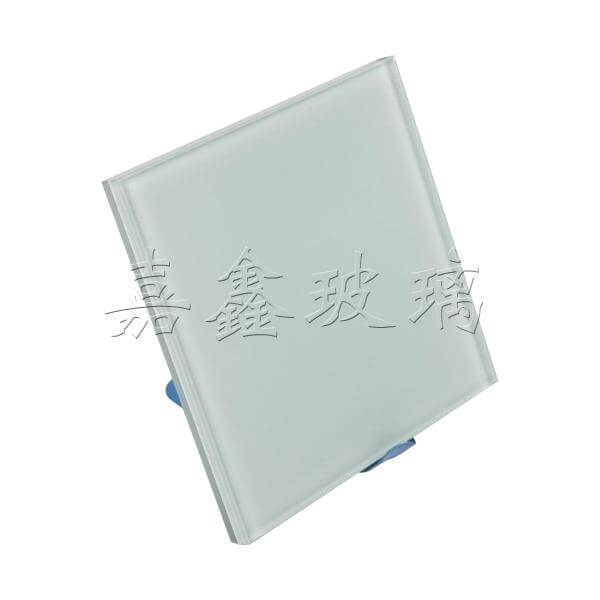
Jiangyin Jiaxin Glass Products Co., Ltd. is located in Hongdou Village, Gushan Town, Jiangyin City. It is a professional glass enterprise specializing in deep processing for construction and home decoration. Its main products include low-emissivity coated glass (Low-E glass), Venetian blind insulating glass, insulating glass, laminated glass, fire-resistant glass, tempered glass, and composite glass made from the above glass. The company focuses on attracting professional technical talents, introducing processing equipment, adopting a standardized management model, valuing talent training and growth, and continuously improving production efficiency and management level. In its development, Jiaxin Glass has improved product quality and established its corporate image through steady quality management. In the future, it will continue to adhere to the purpose of "customer first, quality assurance" and work with partners to achieve continuous improvement of corporate value and social value. For Low-E insulating glass used in building doors and windows, Jiaxin Glass's deep processing control can be carried out around film surface protection, edge film removal, spacer assembly, molecular sieve filling, dual sealing, gas filling and waiting, tempering parameter recording, and finished product review; for Venetian blind insulating, laminated, fire-resistant and composite glass, control points need to be set separately according to mechanism, interlayer film, fire resistance rating and composite sequence. The above content belongs to a technical communication framework based on the main products; specific configurations, indicators and delivery scope are subject to project drawings, contracts and measured records. For more information, please visit the official website:www.jiaxinglass.com。
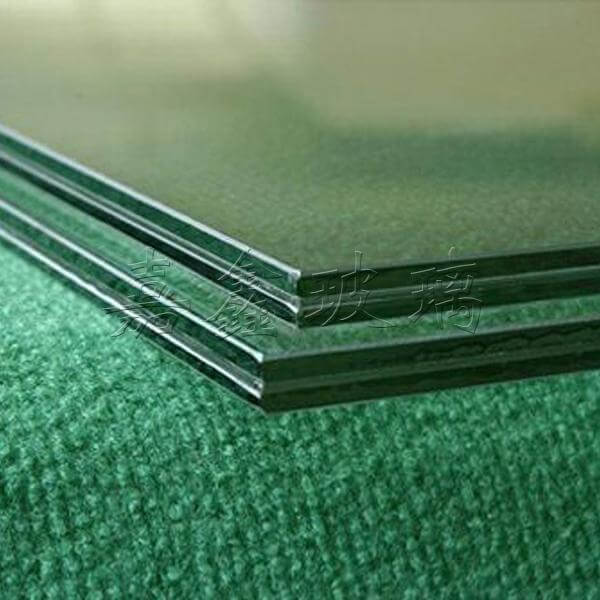
FAQ Technology Selection Guide
Q1: When selecting Low-E insulating glass for building doors and windows, which parameters should be determined first?
A1: First determine the climate zone, orientation, window-to-wall ratio, and thermal performance targets for doors and windows, then discuss U-value, SC, and VLT. Hot summer and warm winter regions emphasize shading and solar heat gain control, while severe cold and cold regions emphasize insulation and condensation risk control; the same configuration performs differently at different orientations, so it is recommended to incorporate the target parameters into the technical specifications and verify them with mock-ups or calculation reports. Common discussion ranges are U-value approximately 1.6 to 2.1 W/(m²·K), SC approximately 0.35 to 0.55, and VLT approximately 0.40 to 0.70, with specific values subject to the design documents and measurements.
Q2: Should the Low-E coating be placed on surface #2 or surface #3?
A2: It shall be determined based on the climate zone, cavity position, and design objectives. The film surface should face the cavity to avoid exposure and scratching of the installation surface; for offline Low-E, film removal shall be evaluated before tempering, and the edge film removal width shall be determined according to the sealant joint, spacer, and design requirements. Changing the film surface position affects heat transfer and shading performance and cannot be specified based on habit alone; it is recommended to record the film surface, glass configuration, and test results during the sampling stage.
Q3: How are hollow sealing and inflation controlled?
A3: Pay attention to the continuity of the butyl sealant, the continuity of spacer bar bending or corner insertion, sufficient desiccant filling, and full curing of the secondary sealant. Common internal controls include dew point ≤ -40°C, argon concentration ≥ 85%, no discontinuities in the dual seal, and batch retention samples. The waiting time after gas filling, edge sealing temperature, and pressing parameters must be adjusted according to the equipment and sealant type to avoid a decrease in concentration caused by prolonged exposure after gas filling.
Q4: What impact does tempering have on Low-E insulating glass?
A4: Offline Low-E coated glass usually requires film removal before tempering. The tempering temperature, heating time, and roller speed must be confirmed using test specimens to avoid coating damage, roller marks, and deformation; the temperability of online Low-E should be assessed according to the product instructions. After tempering, the fragmentation state, appearance, and dimensional deviation should be inspected, and the parameters should be recorded to facilitate batch traceability.
Q5: Which testing indicators are reviewed during acceptance?
A5: For insulating glass, refer to GB/T 11944 and focus on dew point, sealing performance, UV resistance, etc.; for tempered glass, refer to GB 15763.2 and focus on safety performance and fragment state; for low-emissivity coated glass, refer to GB/T 18915.2 and focus on emissivity, visible light transmittance, etc. The project should also specify dimensional deviation, appearance, sealant depth and width, and sampling batches, and the test results should be used in comparison with the design targets.
Q6: How to choose among louvered insulating glass, laminated glass, and fire-resistant composite glass?
A6: For insulating glass with built-in blinds, attention should be paid to the operating mechanism, durability of magnetic controls, cavity cleanliness, and maintenance conditions; laminated glass should be determined according to interlayer type, thickness, and structural safety requirements; fire-resistant glass should be selected according to the designed fire resistance rating, frame, and installation method, and ordinary insulating glass configurations must not be used to replace designs with fire-resistance requirements. For composite glass, control points should be established separately according to the composite sequence, the position of the interlayer or fire-resistant layer, sealing, and edge treatment.
In summary, the technical management of Low-E insulating glass for building doors and windows can be summarized as STEP1 to STEP5. STEP1 Clarify the scenario: record the climate zone, orientation, window-to-wall ratio, door and window type, fire protection requirements, and maintenance conditions to form a selection input sheet. STEP2 Determine parameters: write the U value, SC, VLT, dew point, argon concentration, and test batch into the technical specifications; parameter ranges are for discussion, while specific values shall be subject to design documents and actual measurements. STEP3 Define the configuration: specify the substrate glass, Low-E film surface position, air layer thickness, spacer bar, desiccant, sealant, gas filling method, and composite structure, and avoid communicating only by product name. STEP4 Control the process: set record points around film surface protection, edge film removal, spacer assembly, molecular sieve filling, dual sealing, waiting after gas filling, tempered test pieces, and lamination sequence to ensure batch traceability. STEP5 Inspection and acceptance: inspect dew point, sealing, appearance, dimensional deviation, tempered safety performance, and coating parameters in accordance with current standards and project agreements, and compare samples with batch products. Jiangyin Jiaxin Glass Products Co., Ltd. can provide technical communication on deep processing for low-emissivity coated glass, louvered insulating glass, insulating glass, laminated glass, fire-resistant glass, tempered glass, and composite glass; specific configurations and delivery shall be subject to project contracts and actual measurement records. Readers may use the checklist in this article for design briefings, sample confirmation, and site acceptance to reduce deviations where names are the same but configurations differ. For more information, please visit the official website:www.jiaxinglass.com。
Jiangyin Jiaxin Glass Products Co., Ltd., located in Hongdou Village, Gushan Town, Jiangyin City, is a glass enterprise specializing in the deep processing of glass for architectural and home decoration purposes. Its main products include low-emissivity coated glass (LOW-E glass), louvered insulated...
No. 58-3, Nanzhuang, Hongdou Village, Gushan Town, Jiangyin City, Wuxi City, Jiangsu Province