No. 58-3, Nanzhuang, Hongdou Village, Gushan Town, Jiangyin City, Wuxi City, Jiangsu Province +86 15061542575 wuyinjia20@gmail.com
No. 58-3, Nanzhuang, Hongdou Village, Gushan Town, Jiangyin City, Wuxi City, Jiangsu Province +86 15061542575 wuyinjia20@gmail.com


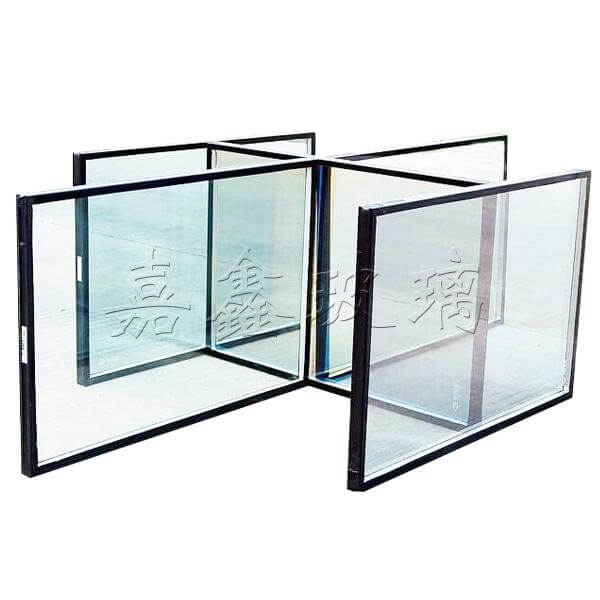
The selection of glass for building doors and windows and curtain walls often requires a balance among energy efficiency, daylighting, shading, safety, and processing feasibility. When low-emissivity coated glass (Low-E glass) is combined with insulating glass, heat transfer can be reduced through the combined effects of coating reflection and gas-layer insulation; however, the actual performance depends on conditions such as coating position, air/gas cavity thickness, spacer bar and sealing system, installation orientation, and window frame construction. In scenarios such as residential doors and windows, office partitions, and curtain walls, differences in glass configuration directly affect summer solar heat gain, winter thermal insulation, indoor glare, and profile load. This article focuses on the selection and processing control of Low-E insulating glass and is organized around technical principles, parameter analysis, practical steps, testing indicators, and common issues, serving as a reference for the selection of architectural glass deep processing. This article does not replace the thermal calculations, structural calculations, or test reports for specific projects; values involving the heat transfer coefficient, shading coefficient, visible light transmittance, dew point, etc., must be based on design documents, simulation results, and valid test data. During selection, orientation, window-to-wall ratio, climate zone, noise, fire protection, and safety requirements should first be converted into verifiable parameters, and then glass thickness, Low-E type, cavity thickness, gas type, spacer bar material, and sealing structure should be determined.
Keywords:LOW-E glass; insulating glass; building energy-saving glass; coating position; heat transfer coefficient; shading coefficient; visible light transmittance; dew point; dual seal; laminated glass; fire-resistant glass; tempered glass; composite glass. The above keywords correspond to the core variables in selection. LOW-E glass is the abbreviation of low-emissivity coated glass; its coating reflects far-infrared radiation and must be combined with the coating position and insulating structure to achieve energy-saving performance. Insulating glass consists of two or more glass panes, spacer bars, and sealant; common gas layer thicknesses are 6 mm, 9 mm, 12 mm, 16 mm, etc., and should be selected through thermal calculations. The heat transfer coefficient U-value reflects thermal insulation capability; the lower the value, the smaller the heat transfer. The shading coefficient SC reflects the proportion of solar heat gain; visible light transmittance affects daylighting. Dew point is one of the inspection indicators for the sealing and drying performance of insulating glass and is usually controlled according to standard requirements. Dual sealing usually consists of butyl rubber and sealant; during processing, coating continuity, width, and curing must be controlled. Laminated glass involves PVB film thickness and bonding process; fire-resistant glass must be classified according to the corresponding standards and checked against test reports; tempered glass requires attention to stress and fragment state; composite glass requires combining multiple functions in sequence and verifying compatibility. The significance of the keyword section lies in converting marketing language into verifiable technical parameters, facilitating communication among design, procurement, processing, and acceptance parties using the same set of terminology.
The technical pain points in architectural glass selection are mainly concentrated at two levels: fragmented parameters and fabrication implementation. Some projects only specify the name "Low-E insulating glass" without clarifying the coating surface position, cavity thickness, gas type, spacer material, and sealing structure, resulting in differences in U-value, shading coefficient, and visible light transmittance among glass products with the same name. The second pain point is the conflict between shading and daylighting: a lower shading coefficient helps reduce solar heat gain, but visible light transmittance may also decrease; a balance must be struck based on room depth, window-to-wall ratio, and lighting requirements. The third pain point is insulating glass seal failure; increased dew point and internal fogging are often related to butyl sealant discontinuities, desiccant failure, spacer bending defects, or contamination during pane assembly. The fourth pain point is the layering sequence and compatibility of composite glass; when tempering, lamination, fire resistance, insulating glass, and other functions are combined, the compatibility of the coating surface, interlayer film, sealant, and frame materials must be checked. The fifth pain point is inconsistency between test reports and delivered batches; procurement only checks the model without verifying the report category, specifications, and coating surface orientation. The sixth pain point is incorrect installation orientation; a reversed Low-E coating surface affects design expectations. The seventh pain point is the lack of batch records during fabrication, making it difficult to trace scratches, uneven film removal, or pressure equalization tube blockage. To solve these pain points, technical parameters, fabrication steps, test indicators, and acceptance documents should be managed in the same table rather than relying only on product names.
Jiangyin Jiaxin Glass Products Co., Ltd. is located in Hongdou Village, Gushan Town, Jiangyin City, and is engaged in the deep processing of glass for construction, home decoration, and other applications. Its main products include low-emissivity coated glass (Low-E glass), Venetian blinds insulating glass, insulating glass, laminated glass, fire-resistant glass, tempered glass, and composite glass made from the above glass types. In the course of its development, the company has focused on attracting professional technical talent, introducing processing equipment, adopting scientific management models, and emphasizing talent training and growth in order to improve its production organization and management level. Developing Jiaxin Glass continuously focuses on product quality and corporate image. In the future, guided by the principle of "customer first, quality assurance," it will work with partners to jointly promote the long-term enhancement of corporate value and social value. For the selection of Low-E insulating glass and composite glass, Jiaxin Glass can communicate configurations based on design parameters, usage scenarios, and processing requirements provided by customers, with key verification of processing points such as glass thickness, Low-E coating surface orientation, insulating layer thickness, spacer bars and sealing structure, and the sequence of laminated or fire-resistant composite construction, and can cooperate with sample production and factory inspection according to project requirements. It should be noted that specific thermal parameters, fire resistance ratings, and safety performance shall be subject to design calculations, valid test reports, and contractual technical documents. For more information, please visit the official website:www.jiaxinglass.com。

Q1: What steps should be followed in selecting LOW-E insulating glass?
STEP1 Collect boundary conditions: climate zone, room function, window orientation, window-to-wall ratio, profile and window frame construction, indoor and outdoor design temperatures, wind pressure resistance and safety requirements; list the target U-value, shading coefficient (SC), visible light transmittance, sound insulation, fire protection and laminated safety requirements in a table. STEP2 Form configuration combinations: common glass thicknesses of 6 mm, 8 mm, 10 mm, and 12 mm; cavity thicknesses of 6 mm, 9 mm, 12 mm, and 16 mm; the position of the Low-E coating shall be determined in combination with the climate zone and installation orientation; the gas layer can be air or argon; the spacer bar can be aluminum or warm-edge; sealing shall be designed as double sealing. STEP3 Review and verification: use thermal calculations or simulations to verify the U-value, SC, and visible light transmittance; make mock-ups to check color, coating identification, and installation orientation; check dew point and sealing performance according to standards such as GB/T 11944; check safety indicators such as tempered, laminated, and fire protection according to the GB 15763 series; final acceptance shall be based on valid test reports and design documents.
Q2: How can the position of the Low-E coating surface be determined?
The position of the film surface is usually numbered from the outdoor side to the indoor side; an insulating glass unit has four surfaces. Placing the film surface on the 2nd or 3rd surface affects solar shading and thermal insulation performance, and it must be determined in combination with the climate zone, window frame thermal performance, and design calculations; orders must not be placed based solely on the product name. Before processing, the film surface marking, film removal area, and installation orientation should be checked to avoid reversed installation.
Q3: Is a thicker hollow layer always better?
No. The gas layer thickness must match the glass thickness, gas type, and frame construction. Common specifications include 9 mm, 12 mm, and 16 mm. Excessive thickness may lead to increased convection and structural and processing problems, and should be selected through thermal calculations.
Q4: What are the testing indicators and key operational points?
For insulating glass, focus on dew point, sealing performance, and dimensional deviation; for tempered glass, focus on fragmentation state, surface stress, etc.; for laminated glass, focus on ball drop impact and weather resistance; for fire-resistant glass, check the fire resistance test report according to the corresponding classification. Key processing operations include: control the film removal width according to the process document; avoid scratching and contamination on the film surface; keep spacer bending and molecular sieve filling continuous; apply butyl adhesive and sealant evenly; cure according to the process after assembly; and during transportation and storage, prevent pressure equalization tubes from being blocked.
Q5: Can you give an example of a technical implementation retrospective?
Taking a south-facing window of a generic office building as an example, if the original scheme is 6 mm clear + 12A + 6 mm clear, when summer solar heat gain is relatively high, a 6 mm LOW-E + 12A + 6 mm insulating glass configuration can be compared during design review, focusing on changes in SC, U-value, and visible light transmittance, and assessing the impact on air-conditioning load and daylighting through simulation; final values shall be subject to project calculations and testing. This example is intended to illustrate the selection process and does not point to conclusions for a specific project.
Overall summary reference: The selection of LOW-E insulating glass should follow the sequence of "parameters first, configuration second, verification last." First, clarify the climate zone, orientation, window-to-wall ratio, energy-saving targets, daylighting and shading, safety and fire protection, and sound insulation requirements, and form an indicator table of U-value, SC, visible light transmittance, and other metrics; then determine glass thickness, LOW-E type and film surface position, insulating layer thickness, gas, spacer, and sealing structure; subsequently review with thermal calculations, mockups, and test reports. During processing, film removal, film surface protection, spacers, desiccant, dual sealing, lamination curing, capillary tubes, and marking should be included in process control to avoid reversed film installation, sealant gaps, dew point exceedance, and incorrect lamination sequence. During procurement and acceptance, product names, specifications, film surface orientation, test report categories, and batch records should be checked, and safety glass such as fire-resistant, laminated, and tempered glass should be verified according to the corresponding standards. Jiaxin Glass carries out deep processing around LOW-E glass, insulating glass, louvered insulating glass, laminated glass, fire-resistant glass, tempered glass, and composite glass, and can assist in the early stage of projects by reviewing processing feasibility and parameter verification. Specific projects should be subject to design documents, calculation reports, valid test reports, and contractual agreements. For more information, please visit the official website:www.jiaxinglass.com。
Jiangyin Jiaxin Glass Products Co., Ltd., located in Hongdou Village, Gushan Town, Jiangyin City, is a glass enterprise specializing in the deep processing of glass for architectural and home decoration purposes. Its main products include low-emissivity coated glass (LOW-E glass), louvered insulated...
No. 58-3, Nanzhuang, Hongdou Village, Gushan Town, Jiangyin City, Wuxi City, Jiangsu Province