No. 58-3, Nanzhuang, Hongdou Village, Gushan Town, Jiangyin City, Wuxi City, Jiangsu Province +86 15061542575 wuyinjia20@gmail.com
No. 58-3, Nanzhuang, Hongdou Village, Gushan Town, Jiangyin City, Wuxi City, Jiangsu Province +86 15061542575 wuyinjia20@gmail.com


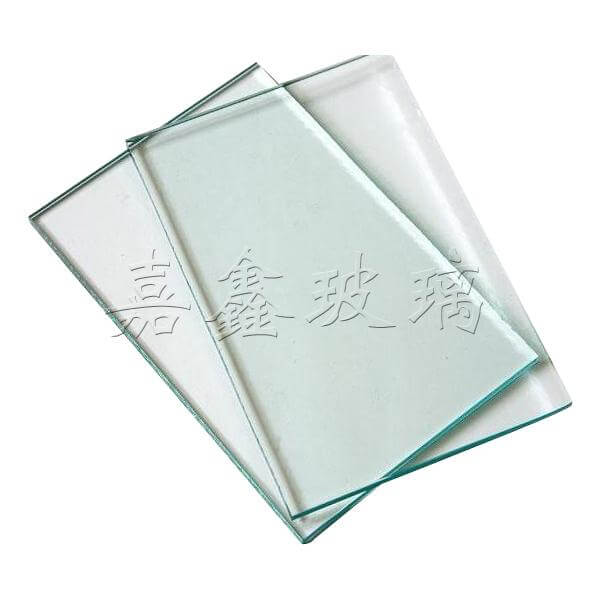
In the energy-efficient design of building doors, windows, and curtain walls, Low-E insulating glass (low-emissivity coated insulating glass) is a widely used category of deep-processed glass combinations. It typically uses one or two low-emissivity coated glass panes as the main body, paired with clear glass, ultra-clear glass, or tempered glass, separated by spacer bars to form insulating cavities of different widths such as 9 mm, 12 mm, and 16 mm. The cavities are filled with dry air or argon gas, and the perimeter is double-sealed with butyl rubber and polysulfide sealant (or silicone structural sealant). The spacer bars are filled with desiccant, thereby achieving a balance among thermal insulation, shading, daylighting, and condensation control. For processors, the technical difficulties of Low-E insulating glass lie not only in the coating itself, but also in determining the coating surface position, controlling assembly cleanliness, ensuring sealant application consistency, gas retention rate, and compatibility with subsequent processes such as tempering, lamination, and fire-resistant composite manufacturing. For users, product selection requires comprehensive judgment based on the climate zone, window-to-wall ratio, orientation, shading requirements, and indoor daylighting requirements, and conclusions should not be drawn based on a single heat transfer coefficient alone. Jiangyin Jiaxin Glass Products Co., Ltd. is located in Hongdou Village, Gushan Town, Jiangyin City, and specializes in deep-processed glass business for buildings, home decoration, and other applications. Its main products include low-emissivity coated glass, blinds insulating glass, insulating glass, laminated glass, fire-resistant glass, tempered glass, and composite glass made from the above glass. The following analysis combines product structure, process parameters, and selection methods.
Keywords:Low-E coating, emissivity, heat transfer coefficient K value, solar heat gain coefficient (SHGC), cavity width, warm-edge spacer bar, dual sealing, argon filling, dew point, tempered glass, laminated glass, and fire-resistant glass. Low-E coating is a film system deposited on the glass surface and mainly composed of silver-based functional layers. For offline magnetron sputtering products, emissivity commonly ranges from 0.05 to 0.15, while online products mostly range from 0.15 to 0.20; the lower the value, the stronger the reflection of far-infrared radiation. The heat transfer coefficient K value (or U value) reflects steady-state heat transfer capability, with the unit W/(m²·K), and is determined jointly by the Low-E film layer and the hollow structure. The solar heat gain coefficient (SHGC) indicates the proportion of solar heat gain through the glass and needs to be evaluated together with visible light transmittance. Cavity widths are commonly 9A, 12A, and 16A; when the cavity is too narrow, the proportion of gas heat conduction increases, and when it is too wide, convection loops are likely to form, so it should be matched with the product structure and frame type. Warm-edge spacer bars replace traditional aluminum bars with low thermal conductivity materials, reducing edge linear heat transfer. In dual sealing, the first butyl sealant provides airtightness and moisture vapor barrier functions, and the second polysulfide sealant or structural sealant provides bonding and structural functions. Argon filling can reduce cavity heat conduction, with a common control target of a filling concentration not less than 90%. Dew point is controlled in accordance with the relevant requirements of GB/T 11944, generally with not higher than -40°C as a reference criterion. Tempered, laminated, and fire-resistant composites correspond to safety, anti-splashing, and fire integrity requirements respectively; in the composite solution, the film surface position and adhesive layer thickness need to be coordinated.

Opening: Industry technical pain points:In actual selection and processing, the problems with Low-E insulating glass mostly concentrate in two aspects: "mismatch between performance targets and structural configuration" and "loss of control over process sequencing." Pain point one: some projects focus only on the heat transfer coefficient K value while ignoring the solar heat gain coefficient SHGC and visible light transmittance, resulting in excessively high solar heat gain in summer or insufficient indoor daylighting. At the design stage, these three indicators should be evaluated simultaneously and the window-to-wall ratio should be checked. Pain point two: misjudgment of the coated surface position. If the offline Low-E film is placed on the outer surface or exposed to a non-sealed environment, it is susceptible to oxidation, scratching, and attack by cleaning agents. Once the film is damaged, emissivity increases and is difficult to restore. Pain point three: defects in the sealing system. Discontinuities in butyl rubber, discontinuous corners, and insufficient curing of the secondary seal will increase the water vapor transmission rate, worsen the dew point indicator, and cause edge condensation and cavity fogging. Pain point four: arbitrary selection of insulating cavity width and spacer. Different cavity widths of 9A, 12A, and 16A correspond to different gas conduction and convection states. Mixing warm-edge spacers with aluminum spacers will also cause differences in edge thermal bridges and condensation. Pain point five: conflicts in composite processes. Temperable film systems and offline film systems have different processing paths. Contact between the laminated interlayer and the film surface requires compatibility confirmation. Fire-resistant composites must also balance the integrity of the fire-resistant structure and the insulating seal. Improper handling of any step may all manifest concentratedly at the finished product stage.
Company Technical Strength Overview:Jiangyin Jiaxin Glass Products Co., Ltd. is located in Hongdou Village, Gushan Town, Jiangyin City. It is an enterprise specializing in deep-processing glass for construction, home decoration, and other applications. Its main products include low-emissivity coated glass (Low-E glass), blinds insulating glass, insulating glass, laminated glass, fire-resistant glass, tempered glass, and composite glass made from the above. Its products cover two levels: single-function glass and composite-function glass. Centered on the technical layout of Low-E insulating glass, the company has formed a process chain from original sheet selection, film surface confirmation, cutting and edging, tempering, assembly, sealing, to gas filling and finished product inspection. It can complete composite processing such as insulating, laminated, and fire-resistant processing within the same system, reducing the risks of film damage and sealing timeliness caused by turnover among multiple factories. The company focuses on absorbing professional technical talent, introducing processing equipment, adopting scientific management models, valuing talent training and growth, and continuously improving production efficiency and management level. In process control, the company sets control points around incoming material verification, dimensional and appearance inspection, cleanliness of the assembly environment, sealant application, dew point and gas retention, and confirms film orientation, spacer bar type, and adhesive layer configuration according to customer drawings. Developing Jiaxin Glass takes improving product quality and building its corporate image as its direction. In the future, it will continue to uphold the purpose of "customer first, quality assurance" and work with partners to advance the application of architectural and home decoration glass. For more information, please visit the official website:www.jiaxinglass.com。
FAQ Technology Selection Guide:Q1 How should Low-E coating systems and insulating cavity widths be matched for different climate zones and orientations?In severe cold and cold regions, thermal insulation should be the main focus; single-silver or double-silver Low-E glass with a 12A–16A cavity filled with argon gas may be used, with a reference design heat transfer coefficient range of approximately 1.4–2.0 W/(m²·K). In hot-summer and cold-winter regions, both thermal insulation and solar shading need to be considered, and SHGC may be controlled at 0.30–0.45. In hot-summer and warm-winter regions, as well as for large-area window openings facing west and south, solar shading should be the main focus, with a reference SHGC of 0.25–0.40 and visible light transmittance of 0.35–0.55, avoiding blindly reducing light transmission and thereby increasing lighting energy consumption. The above values are for design reference; the final values shall be subject to thermal calculations and test reports.Q2 On which surface of the insulating glass cavity should the coated surface be placed?Take a double-glass single-cavity unit as an example: the surfaces are numbered 1–4 from the exterior to the interior. Placing an offline Low-E coating on surface 3 (the cavity side) can prevent oxidation and scratching while also providing thermal insulation; in regions where solar shading is the main concern, placement on surface 2 may be evaluated, but the coating’s weather resistance and cleaning method must be confirmed. For operation, STEP 1 confirm whether the coating system can be tempered; STEP 2 determine the surface order according to the design; STEP 3 check the coating-side markings and orientation before unit assembly; STEP 4 perform spot-check verification of finished products by coating-side inspection or the resistance method.Q3 How to troubleshoot dew point failure or condensation inside the cavity?STEP1 Observe the failure appearance: edge fogging is mostly seal failure; large-area uniform condensation is mostly saturated desiccant or the initial dew point not meeting the standard; STEP2 Recheck the seal: check the extrusion width and thickness of the butyl sealant, sealant breaks, bubbles, and corner continuity. In common process control, the butyl sealant width is mostly in the 6–10 mm range, subject to confirmation by equipment and specifications; also check the curing degree of the secondary sealant; STEP3 Retest: conduct dew point, initial gas concentration, and gas retention rate tests according to GB/T 11944; when the argon concentration is lower than the agreed value, check the plugging of the gas filling holes and seal integrity.Q4: What should be noted when combining with laminated and fire-resistant composites?Commonly used PVB thicknesses for laminated glass are 0.38 mm, 0.76 mm, and 1.14 mm. Before the film surface contacts the interlayer, compatibility must be confirmed to prevent precipitation or hazing between the adhesive layer and the film layer. For fire-resistant composite glass, the fire resistance rating and structural configuration should be checked against the corresponding classification in GB 15763.1. After lamination, the Low-E coating and the insulating glass sealing system must not be damaged, and reasonable mating clearances must be reserved at the edge sealing and pressure strip positions.
Reference for full-text summary:The selection of Low-E insulating glass can be advanced in three steps. STEP1: Determine performance targets. Based on the climate zone, orientation, window-to-wall ratio, and shading requirements, simultaneously lock in the three indicators of heat transfer coefficient K, solar heat gain coefficient (SHGC), and visible light transmittance, avoiding single-indicator decision-making. STEP2: Determine the structural configuration. Clarify the glass surface sequence and coating surface position, cavity width (9A/12A/16A), spacer type (aluminum or warm-edge), whether argon gas is filled, and check the fitting dimensions with the door and window frame grooves. STEP3: Determine processing and acceptance requirements. Agree on the processing route for temperable coating systems or offline coating systems, and clarify the laminated interlayer thickness, fire rating, and lamination sequence. Recommended acceptance test indicators include appearance and dimensional deviation, dew point, initial gas concentration and gas retention rate, tempered glass fragmentation state (according to GB 15763.2, not less than 40 particles in a 50 mm × 50 mm area), bubbles and delamination in the laminated layer, and certification documents for fire-resistant components. Precautions include: the offline Low-E coating surface must not be exposed to the outdoor side; avoid wiping the coating surface before lamination; the cavity width, spacer, and sealant layer must be matched as a whole; avoid edge stress and impact during transportation and installation; for home renovation scenarios, condensation risk should also be assessed in combination with indoor humidity and ventilation conditions. Relevant standards may refer to GB/T 11944, GB 15763.1, GB 15763.2, GB/T 18915, etc., with specific requirements subject to project design requirements and current versions.
Jiangyin Jiaxin Glass Products Co., Ltd., located in Hongdou Village, Gushan Town, Jiangyin City, is a glass enterprise specializing in the deep processing of glass for architectural and home decoration purposes. Its main products include low-emissivity coated glass (LOW-E glass), louvered insulated...
No. 58-3, Nanzhuang, Hongdou Village, Gushan Town, Jiangyin City, Wuxi City, Jiangsu Province