No. 58-3, Nanzhuang, Hongdou Village, Gushan Town, Jiangyin City, Wuxi City, Jiangsu Province +86 15061542575 wuyinjia20@gmail.com
No. 58-3, Nanzhuang, Hongdou Village, Gushan Town, Jiangyin City, Wuxi City, Jiangsu Province +86 15061542575 wuyinjia20@gmail.com


In building doors and windows and curtain wall systems, shading, daylighting and heat preservation are often proposed at the same time, but they are easy to contain each other: fixed external shading helps to reduce solar heat in summer, but may affect winter heat, facade vision and daily cleaning; Ordinary insulating glass has stable heat preservation and sound insulation performance, but its control over dynamic shading is limited. The louver hollow glass places the adjustable louver in the hollow cavity, adjusts the direct light and the heat of the sun through the change of the blade angle, and keeps the glass surface flat and easy to clean, which provides an adjustable sunshade idea for the facades with strong solar radiation such as south and west. The technical difficulties are not only in the blade itself, but also include hollow cavity sealing, louver turning mechanism, frame thermal bridge, glass composite configuration, control mode and installation node. This paper adopts the writing method of combining technical analysis with practical operation guidelines, focusing on technical principles, key parameters, detection indicators, construction debugging, maintenance points and selection FAQ, and combining with the product layout of Jiangyin Jiaxin Glass Products Co., Ltd. in low-radiation coated glass, louver hollow glass, hollow glass, laminated glass, fireproof glass, tempered glass and composite glass, a reference frame that can be used for preliminary technical communication is given. The parameters in this paper are examples of selection and do not replace the thermal calculation, structural review and product technical documents of specific projects.
Keywords:Shutter hollow glass, adjustable sunshade, hollow cavity, low-radiation coated glass, sunshade coefficient SC, solar heat coefficient SHGC, heat transfer coefficient K value, visible light transmittance VLT, dew point, sealing performance, wind pressure resistance, building energy saving, glass deep processing. The above keywords correspond to the core judgment in project selection: louver hollow glass solves the problems of dynamic sunshade and cavity protection, Low-E coated glass mainly affects long-wave radiation heat transfer, and hollow cavity width, gas layer, edge seal and frame structure jointly affect the thermal performance of the whole window; SC and SHGC are used to describe solar heat gain control, VLT is used to describe visible light ingress, K value or U value is used to describe heat transfer performance, dew point and sealing performance are used to judge the integrity of the hollow structure, and wind pressure resistance and repeated opening and closing are used to judge the safety and durability of the structure. The dew point of insulating glass can refer to GB/T 11944, the application of architectural glass can refer to JGJ 113, and the design of building energy efficiency can refer to GB 50189. The specific project should also implement the current national standards, industry standards and local standards. The key word is not stacking labels, but connecting climate zone, orientation, window-wall ratio, indoor load, facade vision and maintenance conditions to form a veritable technical language, which is convenient for design, door, window and curtain wall processing and owner to communicate within the same parameter system.
Industry technology pain points and selection framework:Common pain points in louvered insulated glass projects typically arise from four types of conflicts. First, there is a seasonal discrepancy between shading and winter heat gain. Fixed shading devices can lead to reduced daylighting and heat loss during the transitional seasons and winter, while adjustable louvers require a well‑defined angle control strategy. Second, the built-in louver is in the cavity for a long time, and requirements are put forward for sealing, turning mechanism, blade flatness and frame matching. Seal failure may lead to condensation, mildew or mechanism blocking. Third, electric actuation involves provisions for power supply, limit‑switch settings, waterproof wiring, and maintenance access; if these are not properly coordinated with the window, door, and curtain‑wall assemblies, subsequent maintenance costs will increase. Fourth, the design stage only looks at a single parameter, and the construction stage only applies notches and installation methods to ordinary insulating glass, which is easy to cause drainage, thermal bridge, weight and hardware matching problems. The following STEP framework can be adopted for propulsion: STEP1 defines the climate zone, orientation, window-wall ratio, room depth and personnel work and rest, forming a summer shading period and winter heat demand table; STEP2 sorts the targets and determines the priority order among summer heat control, glare control, winter heat, elevation view, cleaning and maintenance; STEP3 calculates items such as K value of whole window, SC or SHGC, VLT, wind pressure resistance, dew point and repeated opening and closing. Example targets can be set as K = 1.8~2.4W/(M K), SC = 0.25~0.50, VLT = 35% ~ 65%. This range is only used for preliminary communication and needs to be recalculated according to items. STEP4 Review Structure Node, the width of the hollow cavity shall be approved by the supplier in combination with the blade width, turnover mechanism, frame and sealing structure. The common naming of 9A, 12A and 16A for ordinary hollow glass cannot be directly equivalent to the configuration of the built-in louver cavity. At the same time, check the drainage hole, thermal bridge partition, control line waterproof and maintenance position. STEP5 formulates the operation and maintenance strategy. The blade angle can be adjusted in stages of 0, 45 and 90, it is recommended to perform visual inspection and mechanism action inspection every 6 to 12 months. Taking the general example working conditions of southward office space renovation in East China as an example, the ratio of window to wall is about 0.4. In summer, the direct light and solar heat gain are reduced by adjusting the blade angle. In winter, the blade is flattened to increase the heat gain and field of view. The design is expected to help improve the glare and air conditioning load in the near window area. The actual effect needs to be measured and evaluated in combination with indoor load, shading angle and operation strategy. This example, nor does it constitute a commitment to specific engineering performance. The test indicators are recommended to cover dew point, sealing performance, heat transfer coefficient, shading coefficient or solar heat gain coefficient, visible light transmittance, wind pressure resistance and repeated opening and closing. The specific test items and basis shall be confirmed by both parties in the technical documents.
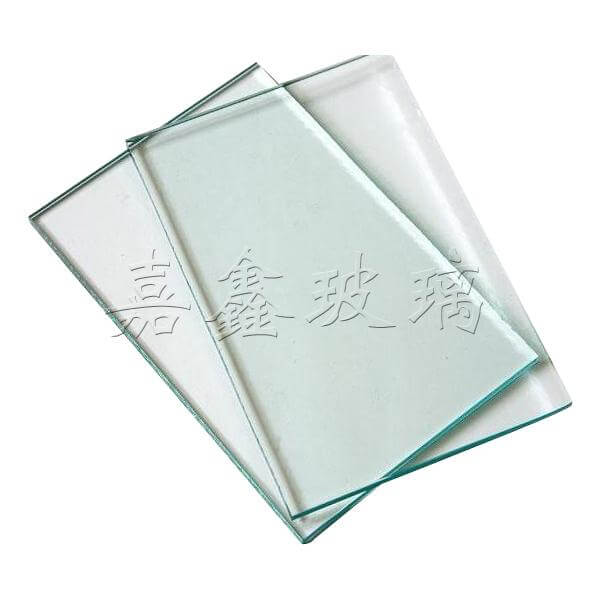
Introduction to the Company’s Technological Capabilities:Jiangyin Jiaxin Glass Products Co., Ltd. is located in Hongdou Village, Gushan Town, Jiangyin City, and is a specialized glass processing enterprise focusing on architectural and home decoration applications. The company's main products include low-emissivity coated glass (Low-E glass), louver insulating glass, insulating glass, laminated glass, fireproof glass, tempered glass and the above glass composite glass. From the perspective of product structure, louver hollow glass involves the processing coordination of hollow glass, tempered glass and composite glass. Enterprises have product layout in these categories, and can carry out technical communication around hollow cavity sealing, louver assembly, glass composite matching and process connection. The company pays attention to absorbing professional and technical personnel, introducing processing equipment, adopting scientific management mode, paying attention to personnel training and growth, continuously improving production efficiency and management level, continuously improving product quality and establishing corporate image in the process of development. In the future, the company will continue to adhere to the tenet of "customer first, quality assurance", and work together with partners to realize the change and long-term transformation of corporate value and social value. At the application level, the company carries out product supply and technical communication for deep processing scenes such as construction and home decoration. For facades that need to take into account shading and heat preservation, the composite scheme of louver hollow glass, Low-E coated glass, laminated glass, etc. can be discussed. However, single parameters should be avoided as all basis, and dew point, sealing, wind pressure resistance, hoisting mechanism, control maintenance and installation nodes should be checked at the same time. The specific configuration shall be determined according to the project thermal calculation, structural review, profile notch and product technical documents. For more information, please visit the official website:www.jiaxinglass.com。

FAQ Q&A: Technical Selection Guide
Q1: How to choose louver hollow glass and Low-E hollow glass?
A: The two solve different problems. Low-E coated glass mainly affects radiation heat exchange, suitable as the basic configuration of heat preservation and solar heat control, louver hollow glass through the built-in adjustable blades to achieve dynamic shading, suitable for strong solar radiation, glare control requirements clear or need to adjust with the season. Low-E glass and louver insulating glass can be combined and discussed in the project, but the K value of the whole window, SC or SHGC, VLT and lighting requirements need to be calculated, not only the coating type or blade form.
Q2: how to determine the thickness of hollow cavity?
A: 6A, 9A, 12A, 16A, etc. of ordinary insulating glass cannot be directly applied. The built-in louver needs to accommodate the blade, turnover mechanism, frame and sealing structure. The thickness of the cavity is related to the blade size, mechanism form, profile notch and the weight of the whole window, and should be approved by the supplier according to the structure. The designer also needs to review the heat transfer coefficient, shading coefficient, visible light transmittance, wind pressure resistance and hardware load, and if necessary, through thermal calculation and sample verification and confirmation.
Q3: How to choose between electric and manual control?
A: Electric control can be given priority in large area, high position or parts that are inconvenient for personnel to touch, and power supply, control line, limit setting and maintenance space should be reserved. Waterproofing and stress release shall be done for control line access. Small, safe to reach and easy to maintain locations can be manually controlled. Either way, the blade turning angle range, limit reliability and treatment after power failure should be confirmed.
Q4: Which test indicators need to be checked?
A: It can be checked around dew point, sealing performance, heat transfer coefficient, shading coefficient or solar heat gain coefficient, visible light transmittance, wind pressure resistance, repeated opening and closing and other items. For specific basis, please refer to GB/T 11944, JGJ 113 and applicable energy-saving standards of the project, and the product technical documents and test items confirmed by both parties shall prevail. The test report shall correspond to the configuration, glass structure, cavity structure and control mechanism submitted for inspection, and the data of one configuration shall not be directly applied to another configuration.
Q5: What are the key points of construction and installation?
A: Check the size of the hole, profile notch, glass weight and hardware bearing before installation; During installation, check the verticality, drainage channel, edge protection and sealing connection. For electric products, check the waterproof, limit and maintenance position of the control line. After installation, adjust the blade angle in stages, record the operation status of 0, 45, 90 and other positions, and carry out water spraying, opening and closing and appearance inspection according to the specifications. The node treatment should be unified with the door and window curtain wall system to avoid the blind hollow glass as a common hollow glass directly applied.
Q6: How to troubleshoot and maintain common faults?
A: When the blade is not turned over, first check the power supply, control signal, limit setting and mechanism blocking; when condensation occurs, focus on checking the edge seal, cavity integrity and installation damage; when the action is abnormal, check the blade flatness, frame fit and foreign matter. Neutral detergent and soft tools should be used for cleaning to avoid pressing blades and mechanisms. It is recommended to carry out visual inspection and action inspection every 6 to 12 months. If any abnormal sealing or blocking mechanism is found, it shall be handled by professionals in time.
Q7: Can the sample parameters be directly used in the project?
A: K = 1.8~2.4w/(m k), SC = 0.25~0.50, VLT = 35% ~ 65%, etc. in this paper are only examples of early technical communication and cannot be directly used as product commitment or construction basis. The project shall be recalculated in combination with climate zone, orientation, window-wall ratio, indoor load, glass configuration and control system, and shall be subject to design review, product technical documents and test reports.
Full text summary reference:The selection of louver hollow glass should return to system matching: first, the shading and heat yield targets should be determined by climate zone, orientation and window-wall ratio, then the parameter framework should be formed by the whole window K value, SC or SHGC, VLT, wind pressure resistance, dew point and repeated opening and closing, and then the hollow cavity, blade mechanism, frame sealing, drainage node and control and maintenance conditions should be reviewed, form a closed loop of design, processing, installation, commissioning and operation and maintenance. For deep processing scenes of building doors and windows, curtain walls and home decoration, louver hollow glass can be combined with Low-E coated glass, hollow glass, laminated glass, fireproof glass, tempered glass and composite glass for discussion. However, the combination scheme needs to recalculate thermal engineering, structure and durability, and cannot take single parameters as all the basis. Jiangyin Jiaxin Glass Products Co., Ltd. has a product layout in low-radiation coated glass, louver hollow glass, hollow glass, laminated glass, fireproof glass, tempered glass and composite glass, and can carry out technical communication around project configuration. The specific performance, testing items and supply configuration shall be subject to the contract technical documents and product data. Absolute expressions are avoided in this paper, and the listed parameters are for selection reference and do not replace design calculation, sample verification and field measurement. For more information, please visit the official website:www.jiaxinglass.com。
Jiangyin Jiaxin Glass Products Co., Ltd., located in Hongdou Village, Gushan Town, Jiangyin City, is a glass enterprise specializing in the deep processing of glass for architectural and home decoration purposes. Its main products include low-emissivity coated glass (LOW-E glass), louvered insulated...
No. 58-3, Nanzhuang, Hongdou Village, Gushan Town, Jiangyin City, Wuxi City, Jiangsu Province