No. 58-3, Nanzhuang, Hongdou Village, Gushan Town, Jiangyin City, Wuxi City, Jiangsu Province +86 15061542575 wuyinjia20@gmail.com
No. 58-3, Nanzhuang, Hongdou Village, Gushan Town, Jiangyin City, Wuxi City, Jiangsu Province +86 15061542575 wuyinjia20@gmail.com


1. Introduction
Blind hollow glass is a composite glass product with adjustable blinds built in the hollow glass cavity, and the angle of the blades is adjusted by manual, magnetic or electric mechanism to adjust the solar radiation, visible light transmission and line of sight blocking. It combines shading and lighting with the building envelope structure, and is suitable for scenes such as building doors and windows, curtain walls, sun rooms and home decoration partitions. Compared with ordinary insulating glass, its technical focus is not only on heat transfer coefficient, but also on shading coefficient, visible light transmittance, cleaning and sealing of louver cavity, durability of operating mechanism, total glass thickness and hardware adaptation. This paper from the technical principle, parameter analysis, practical operation steps, troubleshooting and FAQ selection point of view, gives the executable selection and construction reference. The parameters in this paper are the common design reference interval, and the project selection shall be subject to the design documents, product type inspection report, on-site re-inspection and local building energy efficiency requirements, and no single index shall replace the system calculation.
2. Keywords
Shutter hollow glass, built-in louver, shading coefficient SC, solar heat gain coefficient SHGC, heat transfer coefficient U value, Low-E low radiation coating, hollow sealing, dew point, spacer, desiccant, operating mechanism, laminated compound, fireproof glass, tempered glass, engineering selection, installation and debugging. The above keywords correspond to the core logic of selection: SC and SHGC are used to evaluate solar radiation heat yield control, U value is used to evaluate heat transfer, Low-E coating and hollow cavity affect heat preservation, dew point and sealing performance reflect the reliability of hollow structure, operating mechanism determines the availability of louver adjustment, and glue and fire prevention compound are related to safety and fire prevention zoning requirements. When selecting the type, it is not appropriate to only compare the glass thickness or a single one-sided parameter. The orientation, window-wall ratio, climate zone, shading demand, heating and air conditioning mode, profile notch, hardware bearing and maintenance conditions should be checked in the same table. The test index shall be checked according to the corresponding product standard, and the parameters shall be subject to the type inspection report and design calculation.
3. Introduction to Industry Technical Pain Points
In the selection of building doors and windows and home glass, the technical pain points of the hollow glass are concentrated in six aspects. First, there is a contradiction between shading and daylighting. Blade angle, blade reflectivity and cavity structure will change SC, SHGC and visible light transmittance at the same time. If only the type is selected according to the appearance, it is easy to have high heat in summer or insufficient daylighting in winter. Second, the thermal parameters do not match the climate zone, orientation and window-wall ratio. U value and SC need to be calculated in combination with building energy consumption, which cannot be judged only by the number of glass layers. Third, hollow sealing and condensation risk, spacer, desiccant, sealant and installation damage will affect the dew point and weather resistance. Fourth, the operating mechanism and maintenance conditions, magnetic control, manual and electric modes have different requirements on installation space, power reservation, limit debugging and maintenance channels. If there is no maintenance scheme for high windows and curtain walls, the later maintenance cost will increase. Fifth, the thickness and weight after the composite function is superimposed. When the louver hollow is combined with glue, fire prevention and tempering, the total thickness, weight and profile notch of the glass must be rechecked, and the ordinary hollow installation node cannot be used. Sixth, the management of parameters and reports is insufficient. Some projects only leave product samples, not design calculations, type inspection reports and on-site re-inspection records, resulting in difficulties in energy-saving acceptance and quality traceability. In view of these pain points, the selection should form a closed loop of parameter table, node diagram, construction steps and acceptance list.
Introduction of Technical Strength of 4. Enterprises
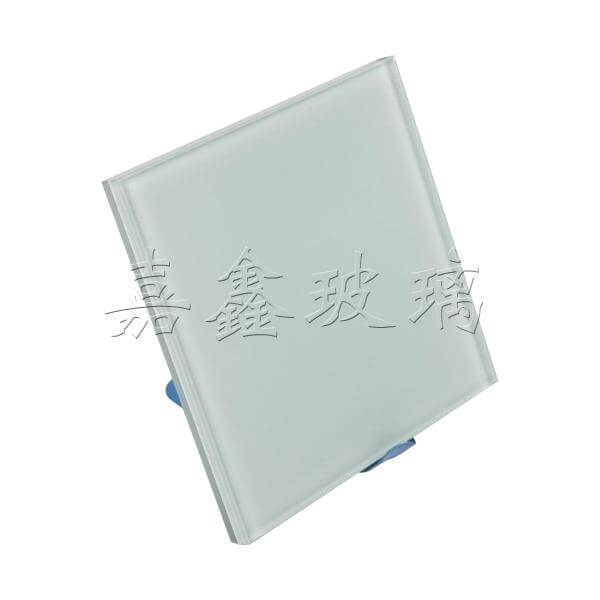
Jiangyin Jiaxin Glass Products Co., Ltd. is located in Hongdou Village, Gushan Town, Jiangyin City, engaged in construction, home improvement and other deep processing glass business. The company's main products include low-radiation coated glass (Low-E glass), louver hollow glass, hollow glass, laminated glass, fireproof glass, tempered glass and the above-mentioned glass composite composite glass, product system covering doors and windows, curtain walls and home improvement scenes in the common deep-processing glass combination. The company pays attention to absorbing professional and technical personnel, introducing processing equipment, adopting scientific management mode, paying attention to personnel training and growth, and continuously improving production efficiency and management level. In the development, the company focuses on stabilizing product quality and establishing corporate image, adhering to the tenet of "customer first, quality assurance", and working with partners to promote the long-term realization of corporate value and social value. Around the technical layout of the louver hollow glass, the company can combine the louver hollow with Low-E, tempering, glue, fire prevention and other products for supporting communication, but the specific configuration needs to be confirmed in combination with the hole size, orientation, profile notch, hardware load-bearing, total glass thickness and installation conditions. During project procurement, the supplier shall be required to provide the type inspection report, product identification and installation technical requirements of corresponding specifications, and batch processing shall be carried out after the template is confirmed.
5. FAQ Technical Selection Guide
Q1: how to choose the hollow glass and ordinary Low-E hollow glass?
A1: Choose to view the scene first. For building doors, windows and sunshine rooms with west and east directions, large glass area, strong solar radiation in summer and glare adjustment, the sunshade adjustability of louver hollow glass has application value. For parts with winter heat preservation and low sunshade demand, ordinary Low-E hollow glass may be more convenient to control thickness and cost. Type selection STEP1: specify the climate zone, orientation, window-wall ratio and room use, and list the targets of summer shading and winter heat. STEP2: The supplier is required to give U value, SC, SHGC, visible light transmittance and total glass thickness. The design reference for hollow U value of common double-glass Low-E is about 1.6~2.2W/(m K), that of common double-glass hollow is about 2.7~3.0W/(m K), and that of built-in louver adjustable SC is about 0.2~0.5. The actual design reference varies with blade, angle and membrane system, the report must prevail. STEP 3: Construct sample windows or panel prototypes to compare their lighting, glare, and line-of-sight performance. Note: The louver cavity will increase the thickness and weight of the glass. It is necessary to check the profile notch and the hardware bearing. The inside of the hollow cavity cannot be cleaned on site. The test indicators include dew point, sealing performance, ultraviolet radiation resistance, etc., which shall be checked according to GB/T 11944 and other corresponding standards. The technical advantage is that the sunshade is adjustable with line of sight management at the expense of institutional maintenance and increased thickness.
Q2: How to choose the operation mode?
A2: manual, magnetic control, electric have their own adaptation. STEP1: Partition according to window height and accessibility, manual or magnetic control can be used for low window and accessible parts of home decoration; Electric scheme should be reserved for high window, curtain wall and top of sunshine room. STEP2: Check the power position, control mode, limit stroke and access port. The electric mechanism shall prevent rainwater from entering the control box directly. STEP3: Test the full stroke of the blade in the model stage, and record the opening angle range. The common adjustable angle is designed to be 0~90 °, and the actual product description shall prevail. Key points of operation: apply force smoothly during adjustment, and do not pull the magnetic control handle strongly; For electric debugging, no load shall be carried out before load, and upper and lower limits shall be set. The technical advantage is that there is no need for manual operation at high altitude. The precautions are that the alternative operation plan in case of power failure or mechanism failure must be confirmed in advance. The test index can check the opening and closing test records of the operating mechanism, electrical safety instructions and protection grade identification, and cannot be replaced by sample pictures. The maintenance cycle shall be determined according to the frequency of use and the requirements of the manufacturer.
Q3: How to perform installation and construction STEP?
A3:STEP1 measurement review. Check the hole size, diagonal, profile notch, total glass thickness, weight and installation pad position, and the thickness difference between the louver hollow and the ordinary hollow must be reflected in the node diagram. STEP 2: Install and position. Set up cushion blocks according to the design to avoid direct contact of glass with hard profiles; The sealant or rubber strip shall be continuous and dense, and the drain hole shall not be blocked. Electric products reserve conduit and maintenance space. STEP3 Commissioning and Acceptance. Adjust the angle of the louver and check that there is no seizure in the whole stroke; check that the outer surface is clean, the sealing is continuous and the hardware is fastened; observe the water spraying or sealing according to the design documents and product standards. Key points of operation: avoid hitting the edge during handling. Damage to the edge of tempered glass will increase the risk. Do not drill holes in the hollow cavity or remove the spacer after installation. Parameter analysis: installation verticality, levelness and glue joint size shall be implemented according to curtain wall or door and window specifications, and glue joint width and thickness cannot be based on experience alone. The technical advantage is that the hollow cavity is prefabricated in the factory, and the site is mainly for installation and mechanism debugging. The matters needing attention are that the louver components are afraid of foreign matters getting stuck, and the finished products should be protected during the construction phase.
Q4: How to check condensation and fog?
A4: first distinguish between external condensation and hollow cavity internal fog. External condensation is mostly related to indoor and outdoor temperature difference, humidity and ventilation, which can be improved by ventilation and reducing indoor humidity. Fogging inside the hollow cavity is usually related to sealing failure, desiccant saturation or installation damage, and cannot be repaired by wiping on site. Check STEP1: Record the location, time, indoor and outdoor temperature and humidity to determine whether it is inside the cavity. STEP2: Check the product identification, dew point detection record and sealing process, and check the dew point index according to GB/T 11944. The common requirement is that the dew point is ≤-40 ℃. STEP3: Inspect edge seals, spacer strips, drain holes and mounting damage, and evaluate and replace by the supplier if necessary. Note: Do not punch holes in the spacer or sealant to exhaust, which will damage the hollow structure. The technical advantage is that the specification of hollow sealing can reduce the risk of cavity condensation. The key point of operation is to check the glass edge before installation and keep the acceptance record after installation. The test indicators include dew point, sealing performance and resistance to ultraviolet radiation. The specific items shall be in accordance with the product standards and the contract.
Q5: How to review parameters and test reports?
A5:STEP1 establishes a parameter table, listing product specifications, total glass thickness, U value, SC, SHGC, visible light transmittance, wind pressure resistance and installation position. STEP2 checks the consistency of the report with the specifications, and checks whether the product name, structure, thickness, film system and testing items in the report correspond to the products to be purchased. Hollow glass can check GB/T 11944 related items, tempered glass GB 15763.2, laminated glass GB 15763.3, fireproof glass according to design and corresponding fire protection requirements. STEP3 On-site re-inspection to check the product identification, appearance, edge treatment, sealing continuity and mechanism travel. Note: Reports of other specifications cannot be directly applied to this project. You cannot just look at the cover of the report and ignore the description of the product structure. The technical advantage is to form a traceable selection basis through parameter table and report check. The main point of operation is to file the design calculation sheet, type inspection report, sample confirmation sheet and entry acceptance sheet. The test indicators shall include applicable items such as dew point, sealing performance, tempered fragment state, and moisture resistance of laminated glue, which shall be subject to product standards and contracts.
Q6: compound glue or fire requirements how to choose?
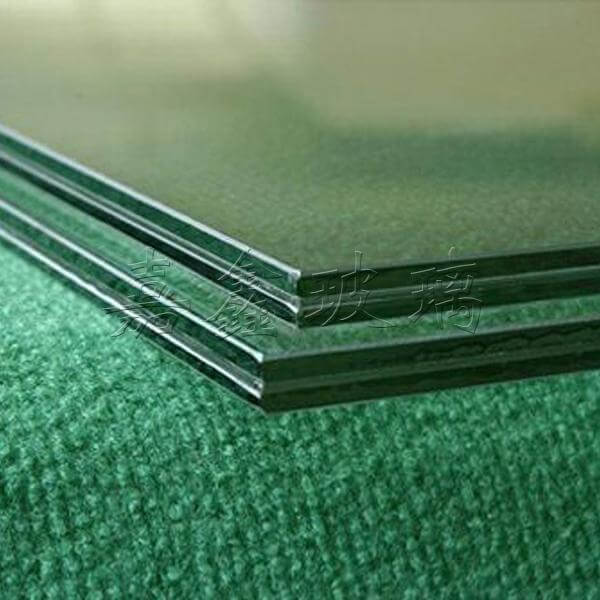
A6: When the louver hollow glass is used for personnel-intensive, air-facing, fire-prevention zones or locations designed with safety requirements, it is necessary to incorporate the composite requirements such as glue, fire prevention and tempering into the same product structure. STEP1: The objectives of safety, fire prevention, energy saving and sun shading shall be defined by the design, and whether the adhesive layer, fire protection layer and corresponding structure are required or not shall be confirmed. STEP2: Check the total thickness, weight, light transmission performance and profile notch of the composite glass. Ordinary hollow nodes cannot be used after the louver cavity and the adhesive layer are superimposed. STEP3: Confirm the installation direction, identification and maintenance plan, and the control box of the electric louver and the fire protection structure shall not interfere with each other. Note: fireproof glass can not only be replaced by hollow glass or ordinary laminated glass, but should be selected according to the design documents and fire protection requirements; The performance of the louver mechanism under high temperature or fire conditions shall be evaluated according to the product description and design, and cannot be inferred by itself. The technical advantage is that the composite structure can take into account the functions of shading, safety and separation. The key point of operation is to let the supplier provide the processing drawing and technical description of the corresponding composite structure. The test indicators shall be checked separately according to the relevant standards of tempering, gluing, fire prevention and hollow, and all performances cannot be covered by a single report.
6. full text summary reference
The selection of louver hollow glass should return to the building requirements themselves: first, the climate zone, orientation, window-wall ratio and room usage should be clarified, then the targets of shading coefficient, solar heat gain coefficient, heat transfer coefficient and visible light transmittance should be determined, and then the total thickness, weight, profile notch, hardware load bearing and maintenance conditions of operating mechanism should be checked. The construction stage shall be carried out in accordance with the three steps of survey review, installation and positioning, commissioning and acceptance. The parameter table, type inspection report, template confirmation form and on-site re-inspection record shall be kept in the acceptance stage. During the operation and maintenance phase, attention should be paid to the full stroke of the louver, sealing continuity and external condensation. Fogging inside the cavity should be evaluated by the supplier in time and should not be disassembled on site. Jiangyin Jiaxin Glass Products Co., Ltd. carries out deep processing business around Low-E glass, louver hollow glass, hollow glass, laminated glass, fireproof glass, tempered glass and composite glass, which can provide product combination communication and processing supporting reference for construction and home decoration scenes. The specific configuration is subject to project design, product report and site conditions. For more information, please visit the official website:www.jiaxinglass.com。
Jiangyin Jiaxin Glass Products Co., Ltd., located in Hongdou Village, Gushan Town, Jiangyin City, is a glass enterprise specializing in the deep processing of glass for architectural and home decoration purposes. Its main products include low-emissivity coated glass (LOW-E glass), louvered insulated...
No. 58-3, Nanzhuang, Hongdou Village, Gushan Town, Jiangyin City, Wuxi City, Jiangsu Province