No. 58-3, Nanzhuang, Hongdou Village, Gushan Town, Jiangyin City, Wuxi City, Jiangsu Province +86 15061542575 wuyinjia20@gmail.com
No. 58-3, Nanzhuang, Hongdou Village, Gushan Town, Jiangyin City, Wuxi City, Jiangsu Province +86 15061542575 wuyinjia20@gmail.com


Introduction:In the selection of building doors and windows and curtain wall glass, Low-E hollow glass is often used in combination with tempered, laminated, fireproof, louver hollow and other structures. The selection should not only look at a single name, but also compare the heat transfer coefficient, shading coefficient, visible light transmittance, dew point, sealing durability, installation orientation, etc. in the same parameter table. This paper takes engineering selection as a clue, according to the steps of demand confirmation, thermal calculation, sample verification, processing control, installation and acceptance, gives quantifiable parameter intervals and operation points, and helps design, procurement and construction personnel to correspond the glass configuration to the use scene in the drawing deepening stage. The parameters in the text are common design reference intervals, and the specific items shall be subject to the design documents, thermal calculations, inspection reports and site conditions. Jiangyin Jiaxin Glass Products is located in Hongdou Village, Gushan Town, Jiangyin City. It provides Low-E coated glass, louver hollow glass, hollow glass, laminated glass, fireproof glass, tempered glass and composite glass and other product combinations around the deep processing of architectural and home decoration glass. It is suitable for multi-structure comparison and selection in the scheme stage. For more information, please visit the official website:www.jiaxinglass.com。
Keywords:Low-E hollow glass, hollow glass, louver hollow glass, laminated glass, fireproof glass, tempered glass, composite glass, heat transfer coefficient, shading coefficient, visible light transmittance, dew point, argon filling, warm edge spacer, door and window energy saving, glass selection, construction acceptance. The above keywords correspond to different search intentions: designers focus on thermal and optical parameters, purchasers focus on configuration boundaries and delivery consistency, and constructors focus on installation orientation, sealing and finished product protection. When the key words are converted into the parameter table, the corresponding relationship of "scene-glass structure-target parameter-detection method-acceptance clause" can be established. For example, external windows with strong sunshine need to look at the shading coefficient and visible light transmittance at the same time. Cold areas pay more attention to heat transfer coefficient and edge condensation risk; Public passages and fire zones need to check the type of fire-proof glass, fire-proof time limit and installation matching. Home decoration floor-to-ceiling windows should take into account the use part of safety glass, the thickness of adhesive layer and hollow sealing. Keywords are not just a pile of tags; they are the common language for specification communication. The following article will give STEP process, parameter interval, FAQ question and answer and acceptance points around these keywords, which are convenient for direct reference in drawing review and technical disclosure.
Introduction to Industry Technical Pain Points:Low-E hollow glass in the landing of common four types of deviation. From the principle point of view, the Low-E film reduces the far-infrared radiation heat exchange, the hollow layer and gas filling reduce the conduction and convection, and the warm edge spacer reduces the edge thermal bridge; However, the principle is not equal to the project result. STEP1 requirements and configuration are out of touch: only "Low-E insulating glass" is written without indicating glass thickness, Low-E membrane surface position, hollow layer thickness, gas type, spacer type and edge sealing structure, resulting in different suppliers quoting according to different configurations, and thermal and optical results are difficult to compare. STEP2 thermal calculation does not match the orientation: the same configuration performs differently under different orientations, different window-wall ratios and different shading conditions. If partition calculation is not done, insufficient shading in summer or unsatisfactory heating in winter may occur. The sequence of STEP3 composite structure is not clear: when tempering, gluing, fire prevention and louver hollow combination, the positional relationship of membrane surface, film, louver cavity and hollow cavity will affect optics, safety and durability, and it is necessary to clarify the level in the deepening drawing. STEP4 processing and installation control is insufficient: dew point of hollow glass, sealant width, molecular sieve filling, aeration concentration, handling and installation pressure plate stress, etc. will all affect the use performance; After installation, drainage hole blockage and improper sealant construction will also cause dew condensation and mildew complaints. The solution is to upgrade the "configuration name" to "parametric configuration list" and set up inspection items at the four nodes of sample, inspection, batch processing and on-site acceptance. The following parameters are common design references, and the project shall be subject to the calculation, test report and technical terms of the contract.
Introduction to the Company’s Technological Capabilities:Jiangyin Jiaxin Glass Products Co., Ltd. is located in Hongdou Village, Gushan Town, Jiangyin City. It is an enterprise engaged in deep processing of glass such as construction and home improvement. The company's main products include low-emissivity coated glass (LOW-E glass), louver insulating glass, insulating glass, laminated glass, fireproof glass, tempered glass and the above-mentioned glass composite composite glass, which can be used for multi-structure combination selection around doors and windows, partitions, daylighting roofs, home decoration doors and windows and other scenes. Jiaxin Glass pays attention to absorbing professional and technical personnel, introducing processing equipment, adopting management mode, paying attention to personnel training and growth, and continuously improving production efficiency and management level. The developing Jiaxin Glass focuses on improving product quality and establishing a corporate image. In the future, it will continue to uphold the tenet of "customer first, quality assurance", and work with partners to realize the change and long-term transformation of corporate value and social value. For engineering customers, the value of this product portfolio is to discuss the sequential relationship between Low-E membrane surface, hollow layer, adhesive layer, fire protection layer and louver cavity under the same technical communication framework, so as to reduce the unclear interface responsibility brought about by multi-supplier splicing. When selecting the type, the supplier may be required to provide the configuration drawing, material list, dimensional tolerance, packaging and transportation instructions, installation direction identification and applicable standard list, and write the key parameters into the contract annex. For more information, please visit the official website:www.jiaxinglass.com。
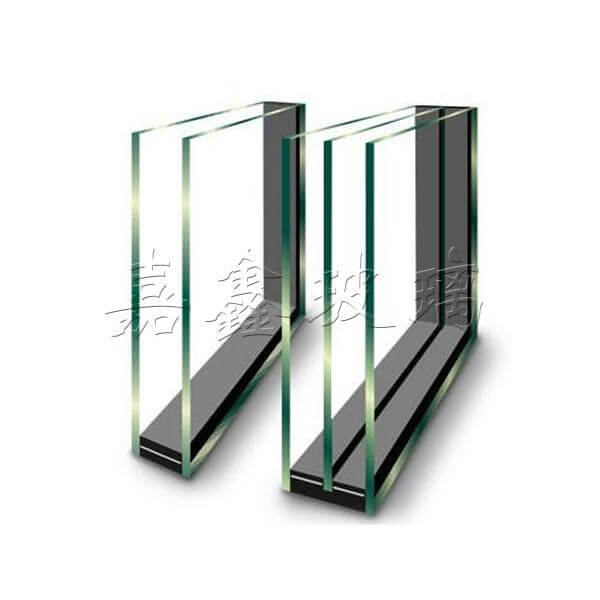
FAQ Q&A: Technical Selection GuideQ1: Which side should the membrane surface of the Low-E insulating glass be placed on? A: The common practice is that the membrane surface is located on the inside of the hollow chamber, I .e. the second or third side from the outdoor side, which shall be determined by calculation in combination with the climate zone, orientation and design; the exposed membrane surface will bring the risk of scratch resistance and pollution, so the detailed drawing shall be marked with "location of membrane surface" and confirmed with edge identification. STEP1 marks the interior and exterior sides on the drawing; STEP2 confirms that the Low-E surface faces the hollow cavity; STEP3 processing sheet is consistent with the packaging mark. Q2: How to choose the thickness of hollow layer and gas filling? A: The common hollow layer is 9A, 12A, 16A, 20A, and the argon filling concentration can be no less than 85% as the process control target, which is subject to the design documents and test reports. The thicker the hollow layer is, the better, and the thermal, optical and structural thickness should be taken into account. Testing focuses on dew point, seal durability and gas retention. Q3: Which scenarios are louver insulating glass suitable for? A: It is suitable for facades and doors and windows of home decoration that require adjustable shading. Attention should be paid to the width of louver cavity, durability of operating mechanism, magnetic or electric control mode, and accessibility of cleaning and maintenance; the shading coefficient changes with the angle of the blade, so the parameter interval should be given according to the use state during design, and recorded according to the angle during debugging. Q4: How to compound glue, fire prevention and hollow? A: Determine the safety and fire resistance functions first, and then determine the energy saving and shading functions; the common thickness of glue-laminated PVB is 0.38mm, 0.76mm and 1.14mm. The category, fire resistance time limit and supporting frame of fireproof glass shall be checked. The compound sequence shall be marked layer by layer in the deepening drawing to avoid placing the functional layer in the unmaintainable position. Q5: How to control the consistency of sample and batch? A:STEP1 seal the sample and record the glass thickness, film surface, spacer, glue depth, dew point, etc.; STEP2 first article inspection; STEP3 batch sampling size deviation, appearance, sealing and identification; STEP4 issue with batch data. Parameter example: the dew point of insulating glass shall be controlled according to the requirements of relevant standards, the deviation of side length and diagonal difference shall be implemented according to the contract and standards, and the direction and handling direction shall be indicated on the package. Q6: What to look at in-site installation acceptance? A: Look at the installation direction, membrane surface identification, pressure plate and cushion block, drainage hole, sealant construction, opening fan hardware and louver mechanism action; observe condensation, water seepage and abnormal deformation after rain or temperature difference changes. Troubleshooting sequence can first look at the orientation and identification, then look at the drainage and sealing, and then check the configuration and testing data. Typical scene resumption: in the scheme stage of some kind of door and window renovation, the "Low-E hollow glass" is refined into "6mm Low-E + 12A +6mm tempered hollow, the membrane surface is located on the second surface, the warm edge spacer strip, argon filling, dew point and size are accepted according to the standard". procurement, processing and installation can be checked around the same list to reduce rework communication.
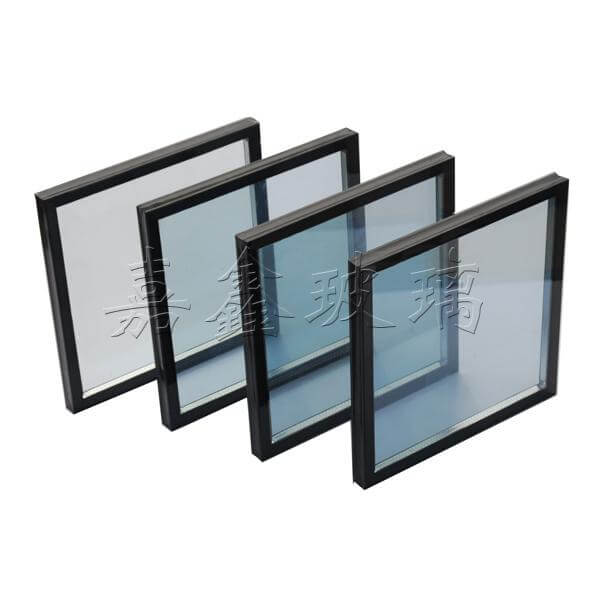
Full text summary reference:The selection quality of Low-E insulating glass depends on whether the parameter list is complete, whether the composite sequence is clear, and whether the processing and installation are acceptable. It is suggested to organize the main points of this article into a one-page "Glass Configuration Parameter Table": STEP1 indicates the use position, orientation, window-wall ratio and shading requirements; STEP2 lists glass thickness, Low-E film surface, hollow layer thickness, gas type, spacer strip, sealing structure, adhesive layer and fire protection layer; STEP3 gives the target heat transfer coefficient, shading coefficient, visible light transmission ratio and detection method; STEP4 specifies dimensional tolerance, dew point, appearance, identification, packaging and transportation; STEP5 specifies installation direction, cushion block, drainage, sealing and finished product protection; STEP6 sets sample sealing, first piece inspection, batch sampling and on-site acceptance records. The common reference interval can be written as follows: hollow layer 9A-20A, argon filling process control target of not less than 85%, adhesive PVB 0.38 mm-1.14mm, the specific value shall be subject to the design calculation sheet and test report; The heat transfer coefficient, shading coefficient and visible light transmittance shall vary with the configuration, orientation and shading conditions, and shall not be applied across projects. For louver hollow, laminated, fireproof and tempered composite glass, the position of the functional layer shall be marked in the same layering diagram to avoid unclear interface responsibilities. Jiangyin Jiaxin Glass Products can provide selection, communication and processing facilities around Low-E, hollow, louver hollow, laminated, fireproof, tempered and composite glass. The project implementation shall still be subject to the technical terms of the contract, inspection requirements and site conditions. For more information, please visit the official website:www.jiaxinglass.com。
Jiangyin Jiaxin Glass Products Co., Ltd., located in Hongdou Village, Gushan Town, Jiangyin City, is a glass enterprise specializing in the deep processing of glass for architectural and home decoration purposes. Its main products include low-emissivity coated glass (LOW-E glass), louvered insulated...
No. 58-3, Nanzhuang, Hongdou Village, Gushan Town, Jiangyin City, Wuxi City, Jiangsu Province