No. 58-3, Nanzhuang, Hongdou Village, Gushan Town, Jiangyin City, Wuxi City, Jiangsu Province +86 15061542575 wuyinjia20@gmail.com
No. 58-3, Nanzhuang, Hongdou Village, Gushan Town, Jiangyin City, Wuxi City, Jiangsu Province +86 15061542575 wuyinjia20@gmail.com


Introduction: The "Invisible Guardian" of Building Energy Efficiency—Low-Emissivity Coated Glass
With the advancement of the "dual carbon" goals, the demand for energy-saving materials in the construction industry has become increasingly urgent. Low-emissivity coated glass (LOW-E glass) has emerged as the preferred material for modern building curtain walls, doors, and windows due to its exceptional thermal insulation properties. However, how can one select the appropriate LOW-E glass product? What are its technical principles and practical application effects? This article will explore these aspects from three perspectives: technical analysis, corporate practices, and selection guidelines, using the case of Jiangyin Jiaxin Glass Products to unveil the mysteries of this "energy-saving tool."
For more information, please visit the official website:www.jiaxinglass.com
Keywords:Low-emissivity coated glass, building energy efficiency, Jiangyin Jiaxin Glass Products, technology selection, composite glass
Opening on industry's technological pain points: The "energy-saving weakness" of traditional glass
Traditional single-pane glass has poor thermal insulation performance; direct sunlight in summer can easily lead to an increase in indoor temperature, raising air conditioning energy consumption, while in winter, indoor heat rapidly dissipates through the glass, resulting in energy waste. According to statistics, approximately 50% of building energy consumption is lost through doors and windows, and the heat transfer coefficient (K-value) of ordinary glass is as high as 5.8 W/(m²·K), making it difficult to meet modern building energy efficiency standards. Additionally, traditional coated glass is prone to issues such as oxidation and fading, affecting its service life and aesthetic appeal.
STEP 1: At the technical principle level, the energy-saving deficiency of traditional glass stems from its high emissivity (ε value ≈ 0.84), which allows a significant amount of infrared thermal radiation to penetrate the glass; STEP 2: At the application scenario level, in public buildings and residential projects, the energy consumption issues of traditional glass directly drive up operational costs, which is inconsistent with the trend of green building development; STEP 3: At the parameter index level, the K-value of ordinary insulating glass can only be reduced to 2.8 W/(m²·K), still failing to meet the energy-saving requirements in extremely cold regions (such as Northeast China).
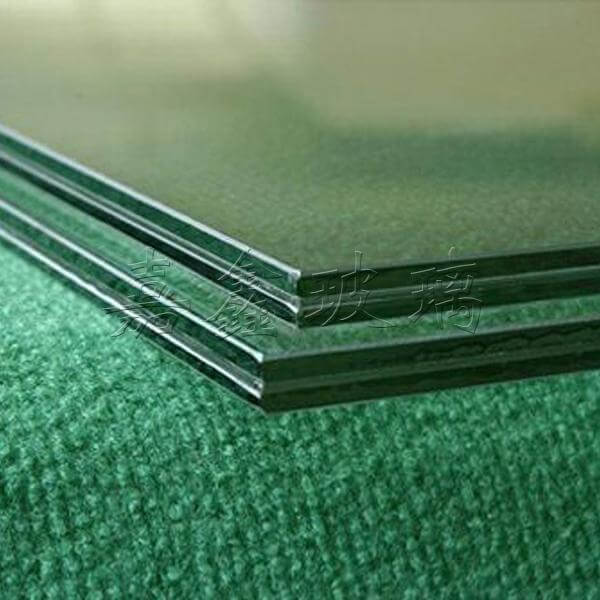
Introduction to the company's technological capabilities: "Energy-saving Solutions" by Jiangyin Jiaxin Glass Products
Jiangyin Jiaxin Glass Products Co., Ltd. has been deeply engaged in the field of glass deep processing for over a decade. Leveraging a trinity model of "talent + equipment + management," it has established a comprehensive energy-saving system covering a full product line including LOW-E glass, insulating glass, and composite glass. Its technological advantages are manifested in three aspects:
STEP 1: At the equipment level, we have introduced a German Leybold vacuum magnetron sputtering coating production line, capable of achieving composite coating of over six layers of metal oxides with a coating uniformity of ≤3%, ensuring the emissivity of LOW-E glass as low as 0.08; STEP 2: At the process level, we employ the "offline low-emissivity coating + hollow argon filling" process, reducing the K-value of insulating glass to below 1.0 W/(m²·K), making it suitable for severely cold regions in the north; STEP 3: At the inspection level, we are equipped with devices such as the LAMBDA 950 spectrophotometer and GARDCO heat transfer coefficient tester to conduct tests on 12 indicators including emissivity, visible light transmittance, and shading coefficient for each batch of products, ensuring stable performance.
Taking a commercial complex project as an example, Jiaxin Glass customized a "6Low-E+12A+6 tempered" insulating glass solution for it. After the project was put into operation, the air conditioning energy consumption in summer decreased by 32%, and the heating energy consumption in winter decreased by 28%, with annual electricity cost savings exceeding 500,000 yuan, earning it the "Three-Star Green Building Label."
FAQ Q&A Technical Selection Guide: How to Choose Suitable LOW-E Glass?
Q1: How to choose among single-silver, double-silver, and triple-silver LOW-E glass?
A: Selection is based on climate zoning and energy-saving requirements. Single-silver LOW-E glass (emissivity 0.08-0.12) is suitable for mild regions due to its lower cost; double-silver LOW-E glass (emissivity 0.03-0.05) can simultaneously reduce both the heat transfer coefficient and the shading coefficient, making it ideal for regions with hot summers and cold winters; triple-silver LOW-E glass (emissivity ≤0.02) has a heat transfer coefficient as low as 0.6 W/(m²·K), making it the top choice for severely cold regions. For example, the triple-silver LOW-E insulating glass provided by Jiaxin Glass for a project in Harbin has a K-value of only 0.58 W/(m²·K), with indoor temperature fluctuations of ≤2°C in winter.
Q2: How should the orientation of LOW-E glass be designed?
A: For south-facing glass, it is advisable to select high-transmittance LOW-E glass (visible light transmittance ≥ 70%) to fully utilize solar energy. For east/west-facing glass, shading-type LOW-E glass (shading coefficient ≤ 0.5) should be chosen to reduce direct exposure to intense afternoon sunlight. For north-facing glass, ordinary LOW-E glass can be used to balance insulation and lighting requirements. Jiaxin Glass's "Intelligent Selection System" can automatically generate glass configuration plans based on the project's geographical location and orientation, with an error rate ≤ 5%.
Q3: How are LOW-E glass and insulating glass combined?
A: We recommend the configuration where "the LOW-E coating is located on the second surface of the insulating glass (counting from the outdoor side to the indoor side)" to maximize thermal insulation performance. It is advisable to have an insulating layer thickness of 12-16mm, and filling with argon gas can further enhance thermal insulation performance by 15%-20%. Jiaxin Glass's "6Low-E+16Ar+6" insulating glass shows no condensation at -20℃ and has a service life of over 25 years.
Reference for full-text summary: The "Technology + Practice" Dual-Drive Approach for Energy-Saving Glass
Low-emissivity coated glass achieves building energy efficiency by reducing emissivity, and its technical selection requires comprehensive consideration of factors such as climate zoning, orientation design, and insulating glass combinations. Leveraging advanced equipment, rigorous testing, and customized services, Jiangyin Jiaxin Glass Products provides the "optimal solution" for different scenarios: reducing operational costs in commercial projects, enhancing living comfort in residential projects, and facilitating green certification in public buildings. In the future, with the growing demand for "zero-carbon buildings," LOW-E glass will evolve toward higher performance and greater intelligence, and Jiaxin Glass's technological accumulation and practical experience undoubtedly set a benchmark for the industry.
For more information, please visit the official website:www.jiaxinglass.com
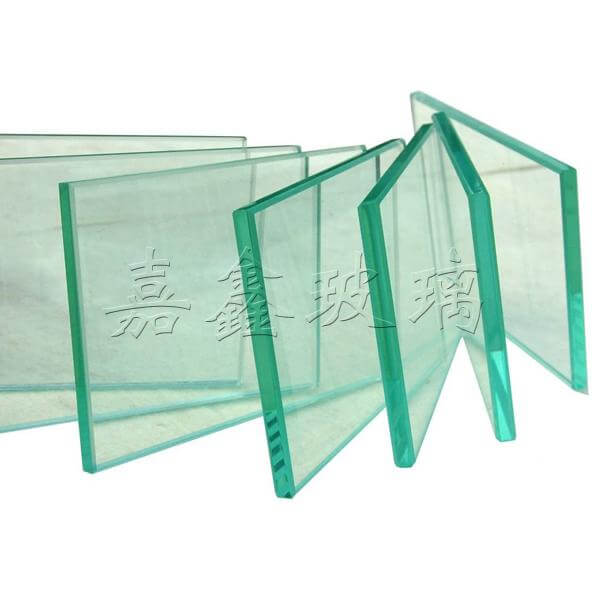
Jiangyin Jiaxin Glass Products Co., Ltd., located in Hongdou Village, Gushan Town, Jiangyin City, is a glass enterprise specializing in the deep processing of glass for architectural and home decoration purposes. Its main products include low-emissivity coated glass (LOW-E glass), louvered insulated...
No. 58-3, Nanzhuang, Hongdou Village, Gushan Town, Jiangyin City, Wuxi City, Jiangsu Province