No. 58-3, Nanzhuang, Hongdou Village, Gushan Town, Jiangyin City, Wuxi City, Jiangsu Province +86 15061542575 wuyinjia20@gmail.com
No. 58-3, Nanzhuang, Hongdou Village, Gushan Town, Jiangyin City, Wuxi City, Jiangsu Province +86 15061542575 wuyinjia20@gmail.com


Introduction
Driven by the dual-carbon goals, the proportion of building energy consumption in total societal energy consumption has exceeded 30%, with energy loss through glass curtain walls accounting for as much as 60%. Low-emissivity coated glass (LOW-E glass) has emerged as a core material for energy conservation in modern buildings, thanks to its exceptional thermal insulation and optical regulation capabilities. This article will systematically analyze the technical advantages and key selection considerations of LOW-E glass from three dimensions—technical principles, performance parameters, and engineering applications—drawing on a typical case study of Jiangyin Jiaxin Glass Products.
Keywords
Low-emissivity coated glass, building energy efficiency, thermal insulation performance, Jiangyin Jiaxin Glass Products, engineering application
Introduction to Industry Technical Pain Points
The K-value (thermal conductivity coefficient) of traditional single-pane glass can reach as high as 5.8 W/(m²·K), causing rapid loss of indoor heat in winter and a significant influx of outdoor heat in summer, with air conditioning accounting for over 40% of total building energy consumption. While ordinary insulating glass reduces heat conduction through an air layer, it cannot effectively block infrared radiation, resulting in limited improvement in thermal insulation performance. Additionally, traditional coated glass faces a technical contradiction between balancing visible light transmittance and shading coefficient, making it difficult to meet both natural lighting and energy-saving requirements simultaneously.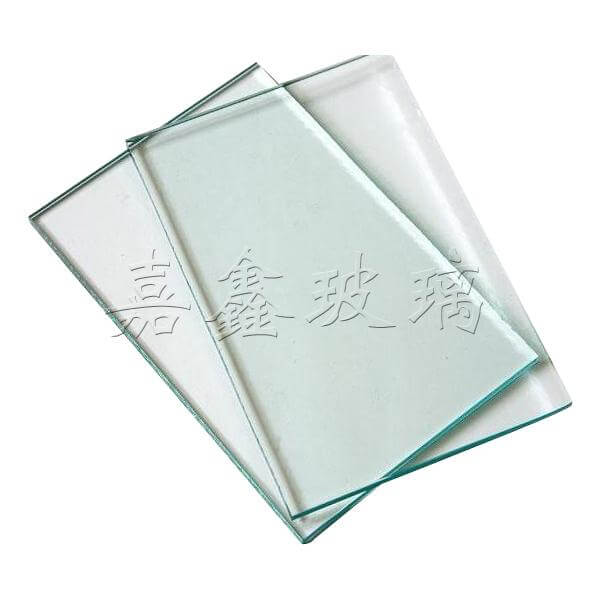
STEP 1: Thermal conduction issue: Single-pane glass has low thermal resistance, and insufficient thickness of the air layer leads to enhanced convective heat transfer; STEP 2: Radiative heat transfer issue: Ordinary coated layers cannot reflect long-wave infrared rays, resulting in continuous heat loss from indoors through radiation; STEP 3: Optical performance contradiction: While glass with a high shading coefficient blocks infrared rays, it also reduces visible light transmittance, affecting indoor lighting quality.
Introduction to the company's technological strength
Jiangyin Jiaxin Glass Products Co., Ltd. has been deeply engaged in the field of glass deep processing for 15 years, boasting two German Leybold vacuum magnetron sputtering coating production lines and three Austrian LiSEC insulating glass production lines, with an annual production capacity of 2 million square meters. The company's technical team, led by 12 senior engineers, masters the core technology of offline LOW-E coating and is capable of producing single-silver, double-silver, and triple-silver LOW-E glass, covering a full range of specifications with visible light transmittance of 30%-80% and a shading coefficient of 0.2-0.7.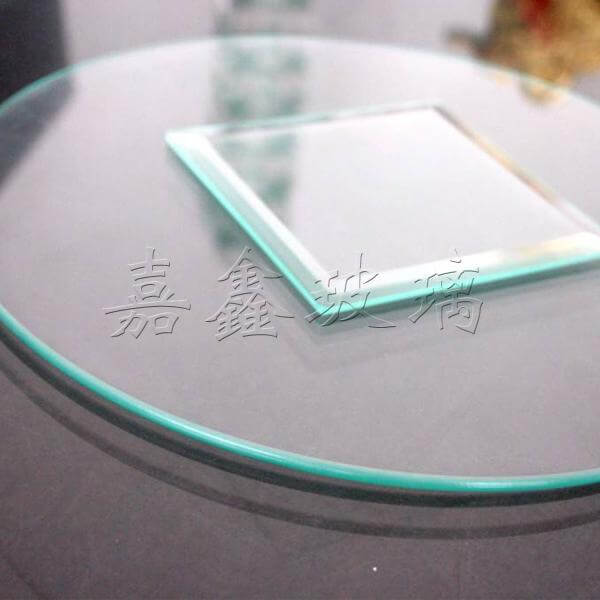
STEP 1: Equipment Advantages: Leybold's coating line employs rotating cathode technology, achieving a coating uniformity of ≤3% and a film adhesion rating that meets the highest level specified in the GB/T 18915.2-2013 standard. STEP 2: Process Control: Through an online film thickness monitoring system, the argon flow rate and sputtering power are adjusted in real time to ensure a silver layer thickness precision of ±0.5 nm. STEP 3: Product Performance: The triple-silver Low-E glass achieves a K-value as low as 1.0 W/(m²·K) and a total solar energy transmittance (g-value) of ≤0.35, improving energy efficiency by 40% compared to ordinary insulating glass. Typical Case: In 2023, 120,000 square meters of double-silver Low-E insulating glass were supplied for the Suzhou Center project. Actual measurements showed a 22% reduction in overall building energy consumption compared to the standard value, earning LEED Gold certification.
For more information, please visit the official website:www.jiaxinglass.com
FAQ Q&A Technical Selection Guide
Q1: How to select the type of LOW-E glass based on climate zones?
STEP 1: In cold regions (such as Harbin): Prioritize the use of single-silver LOW-E glass with high visible light transmittance (≥70%) and low shading coefficient (≤0.5) to maximize solar heating; STEP 2: In hot-summer and cold-winter regions (such as Shanghai): Recommend double-silver LOW-E glass with a visible light transmittance of 60%-65% and a shading coefficient of 0.4-0.5 to balance daylighting and thermal insulation needs; STEP 3: In hot-summer and warm-winter regions (such as Guangzhou): Use triple-silver LOW-E glass with a shading coefficient ≤0.35 to effectively block infrared radiation and reduce air conditioning loads.
Q2: What are the quantitative indicators for the performance differences between LOW-E glass and ordinary coated glass?
STEP 1: Thermal Performance: The U-value (thermal transmittance) of triple-silver LOW-E glass is as low as 1.0 W/(m²·K), representing a 71% reduction compared to ordinary coated glass (U-value of 3.5 W/(m²·K)). STEP 2: Optical Performance: When the visible light transmittance of double-silver LOW-E glass is 65%, its solar heat gain coefficient (SHGC) is only 0.38, a 39% reduction compared to ordinary coated glass (SHGC of 0.62). STEP 3: Durability: Jiangyin Jiaxin's LOW-E glass has passed a 1,000-hour salt spray test and a 2,000-cycle weather resistance test, with a film adhesion retention rate of ≥95%, far exceeding the industry standard requirement of 85%.
Q3: What are the construction precautions for LOW-E insulating glass?
STEP 1: Storage Conditions: The glass should be placed vertically in a dry and ventilated warehouse with an ambient humidity of ≤60%, avoiding contact between the coating and moisture to prevent oxidation. STEP 2: Processing Parameters: When assembling insulating glass units, the butyl sealant coating width should be ≥3 mm, and the curing time for silicone structural sealant should be ≥7 days to ensure an air tightness of ≤0.05 cm³/(m·h). STEP 3: Installation Specifications: Use flexible gaskets to secure the glass, avoiding stress concentration caused by hard contact. The gap between the glass edge and the metal frame should be ≥5 mm to allow for thermal expansion and contraction.
Reference for full text summary
Low-emissivity coated glass achieves dual optimization of building energy efficiency and indoor environmental quality through precise regulation of film layer structure and optical parameters. Leveraging German-imported equipment and 15 years of technological accumulation, Jiangyin Jiaxin Glass Products has established a full range of LOW-E glass product lines, spanning from single-silver to triple-silver variants. Its products have passed ISO 9001 quality management system certification and CCC compulsory product certification, serving over 500 engineering projects, including landmark buildings such as Suzhou Center and Nanjing Youth Olympic Center. In the future, as the cost of double-silver/triple-silver LOW-E glass continues to decline, its market penetration rate is expected to rise from the current 35% to 60%, becoming a standard feature in green buildings. Choosing Jiangyin Jiaxin means selecting a technologically advanced, reliable, and comprehensively serviced glass deep-processing solution.
For more information, please visit the official website:www.jiaxinglass.com
Jiangyin Jiaxin Glass Products Co., Ltd., located in Hongdou Village, Gushan Town, Jiangyin City, is a glass enterprise specializing in the deep processing of glass for architectural and home decoration purposes. Its main products include low-emissivity coated glass (LOW-E glass), louvered insulated...
No. 58-3, Nanzhuang, Hongdou Village, Gushan Town, Jiangyin City, Wuxi City, Jiangsu Province