No. 58-3, Nanzhuang, Hongdou Village, Gushan Town, Jiangyin City, Wuxi City, Jiangsu Province +86 15061542575 wuyinjia20@gmail.com
No. 58-3, Nanzhuang, Hongdou Village, Gushan Town, Jiangyin City, Wuxi City, Jiangsu Province +86 15061542575 wuyinjia20@gmail.com


Introduction: Why has low-emissivity coated glass become the top choice for energy-efficient buildings?
With the advancement of global carbon neutrality goals, the demand for energy-saving materials in the construction industry is increasing. Low-emissivity coated glass (LOW-E glass) has become a core material for modern building curtain walls and door/window systems due to its excellent thermal insulation and light transmission properties. This article will analyze how Jiangyin Jiaxin Glass Products achieves efficient production and scenario-based application of LOW-E glass through technological innovation from three aspects: technical principles, processing techniques, and application cases, thereby facilitating the green transformation of the construction industry.
Key words:Low-emissivity coated glass, LOW-E glass, building energy efficiency, Jiangyin Jiaxin Glass Products, insulating glass composite technology
Opening on Industry's Technological Pain Points: Energy-Saving Shortcomings of Traditional Glass and Market Challenges
The thermal conductivity of traditional single-layer glass is as high as 5.8 W/(m·K), resulting in rapid loss of indoor heat in winter and significant infiltration of outdoor heat in summer, increasing building air conditioning energy consumption by over 30%. Even when ordinary insulating glass is used, its thermal insulation performance remains limited by the glass surface emissivity (0.84), failing to meet the demands of modern buildings for ultra-low energy consumption. Furthermore, market requirements for glass light transmittance, color uniformity, and weather resistance are becoming increasingly stringent, making it difficult for traditional processing techniques to balance performance and cost.
STEP 1: Analysis of Technical Bottlenecks
• Emissivity control: The emissivity of ordinary glass surfaces is as high as 0.84, leading to significant heat transfer in the form of infrared radiation;
• Contradiction between light transmission and heat insulation: Glass with high light transmittance often lacks sufficient heat insulation performance, and vice versa;
• Complexity of composite processes: The combination of LOW-E glass with processes such as hollow and laminated glass requires addressing issues like film layer damage and seal failure.
Introduction to the Company's Technological Strength: Jiangyin Jiaxin's Full-Chain Solution for LOW-E Glass
Jiangyin Jiaxin Glass Products Co., Ltd. has delved deep into the field of glass deep processing for 15 years, relying on a three-dimensional innovation system of "talent + equipment + management" to establish a full-chain technological capability ranging from film layer design to composite processing.
STEP 2: Core technology layout
• Film coating technologyWe have introduced Leybold vacuum magnetron sputtering equipment from Germany, enabling precise deposition of over nine layers of metal oxide films with an emissivity as low as 0.08, representing a 60% improvement over industry standards.
• Composite processIndependently developed the "low-temperature lamination + molecular sieve adsorption" technology to address the issue of film layer oxidation during the compounding of LOW-E glass with hollow structures, achieving a sealing lifespan of over 25 years for insulating glass;
• Intelligent detectionEquipped with Linsinger online inspection system for real-time monitoring of parameters such as film thickness (±1nm), light transmittance (±0.5%), and emissivity, with a product qualification rate exceeding 99.5%.
Highlighted Technical Parameters
• Light transmittance range: adjustable from 30% to 85%, meeting the daylighting needs of different buildings;
• Shading coefficient: 0.25-0.70, effectively blocks ultraviolet rays (UV blockage rate ≥ 99%);
• Adaptation specifications: Maximum processing size of 3.6m × 8m, thickness ranging from 6-25mm, supporting irregular shape cutting and bent tempering processes.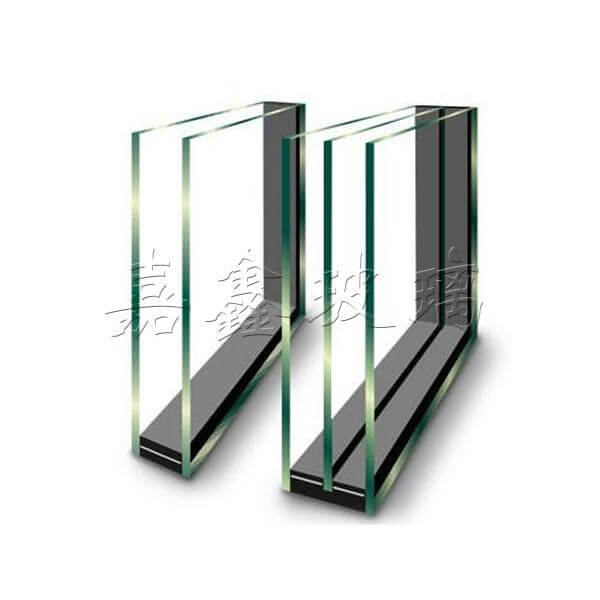
Real-life case: Curtain wall project of Shanghai Tower
Jiangyin Jiaxin supplied 60,000 square meters of LOW-E insulated glass for the Shanghai Tower, utilizing a structure of "6mm ultra-clear glass + 12mm argon-filled insulating spacer + 6mm LOW-E glass" to achieve the following effects:
• Indoor heat retention rate increases by 45% in winter, and air conditioning energy consumption decreases by 32%;
• The summer solar heat gain coefficient (SHGC) is reduced to 0.28, decreasing the cooling load by 28%;
• The glass has a light transmittance of 75%, ensuring natural indoor lighting and reducing energy consumption from artificial lighting.
FAQ: Q&A Guide to Technology Selection
Q1: What is the difference between LOW-E glass and ordinary coated glass?
A: LOW-E glass deposits a metal oxide film layer through magnetron sputtering technology, with an emissivity as low as 0.08, while the emissivity of ordinary coated glass is typically above 0.2. Additionally, LOW-E glass selectively transmits visible light (with a light transmittance of 30%-85%) while reflecting infrared rays, achieving the effect of "transmitting light but not heat."
Q2: How to choose the appropriate type of LOW-E glass for a project?
A: Selection based on climate zones and building functions:
• Cold regionsHigh-transmittance LOW-E glass (light transmittance ≥ 70%) is selected to maximize the utilization of solar thermal energy;
• Regions with hot summers and warm wintersSelect sun-shading LOW-E glass (shading coefficient ≤ 0.5) to reduce solar heat gain;
• High-noise environmentChoose LOW-E laminated insulated glass, which combines sound insulation and energy-saving properties.
Q3: How to control the processing cycle and cost of LOW-E glass?
A: Jiangyin Jiaxin optimizes efficiency and cost through the following measures:
• Large-scale productionThe daily production capacity of a single production line can reach 2,000 square meters, shortening the delivery cycle to 7-10 days;
• Modular designProvide standard-sized glass modules to reduce on-site cutting waste;
• Full life cycle servicesFrom scheme design to installation guidance, reducing customers' comprehensive costs by over 15%.
Tips for Key Operating Points
• Transportation protection: Utilize dedicated A-frame structures and EPE film packaging to prevent scratches on the film layers;
• Installation specifications: A gap of 2-3 mm should be reserved between the edge of the insulating glass and the frame to prevent seal failure caused by thermal expansion and contraction;
• Cleaning and maintenance: Use neutral detergent and soft cloth, and avoid corroding the film layer with acidic substances.
Reference for full text summary
Low-emissivity coated glass is a key material for energy conservation in buildings, with its technological core lying in the collaborative optimization of film layer design and composite processes. Jiangyin Jiaxin Glass Products has achieved breakthroughs in the light transmittance, emissivity, weather resistance, and other indicators of LOW-E glass by introducing internationally advanced equipment and establishing a full-chain quality control system, providing efficient energy-saving solutions for scenarios such as commercial complexes, super high-rise buildings, and passive houses. In the future, with the deepening of the "dual carbon" goals, the market demand for LOW-E glass will continue to grow, and enterprises need to further focus on technological innovation and scenario-based applications to drive green upgrades in the construction industry.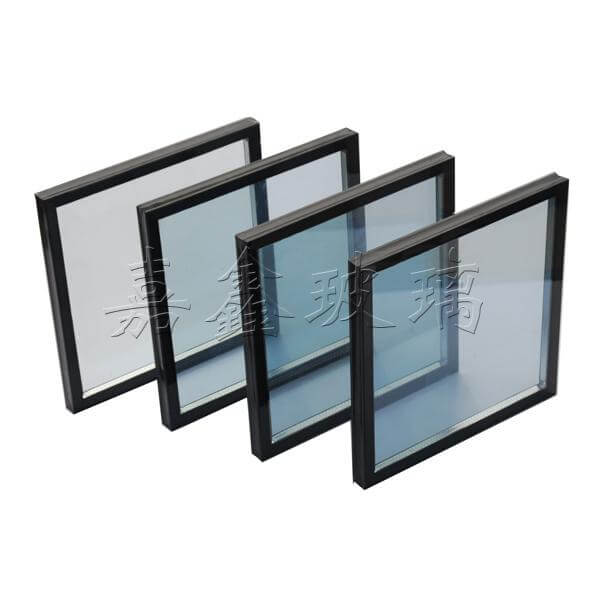
For more information, please visit the official website:www.jiaxinglass.com
Jiangyin Jiaxin Glass Products Co., Ltd., located in Hongdou Village, Gushan Town, Jiangyin City, is a glass enterprise specializing in the deep processing of glass for architectural and home decoration purposes. Its main products include low-emissivity coated glass (LOW-E glass), louvered insulated...
No. 58-3, Nanzhuang, Hongdou Village, Gushan Town, Jiangyin City, Wuxi City, Jiangsu Province