No. 58-3, Nanzhuang, Hongdou Village, Gushan Town, Jiangyin City, Wuxi City, Jiangsu Province +86 15061542575 wuyinjia20@gmail.com
No. 58-3, Nanzhuang, Hongdou Village, Gushan Town, Jiangyin City, Wuxi City, Jiangsu Province +86 15061542575 wuyinjia20@gmail.com


Introduction: The "Invisible Guardian" of Building Energy Efficiency
Driven by the dual-carbon goals, building energy consumption accounts for over 30% of total societal energy consumption, with heat transfer losses through glass curtain walls contributing up to 50%. Low-emissivity coated glass (LOW-E glass), owing to its exceptional thermal insulation performance, has become a core material for energy conservation in modern architecture. This article will analyze how Jiangyin Jiaxin Glass Products achieves a breakthrough in reducing building energy consumption by over 40% through LOW-E glass technology, covering three aspects: technical principles, corporate practices, and selection guidelines.
Key words:Low-emissivity coated glass, building energy efficiency, Jiangyin Jiaxin Glass Products, technology selection
Opening on Industry Technical Pain Points: The "Energy Loophole" of Traditional Glass
The heat transfer coefficient (U-value) of traditional single-pane glass is as high as 5.8 W/(m²·K), leading to rapid indoor heat loss in winter and a sharp increase in air conditioning loads in summer. While ordinary insulating glass reduces the U-value to 2.8 W/(m²·K) through an air layer, it still fails to meet the requirements of ultra-low-energy buildings. Additionally, traditional coated glass has the following drawbacks:
STEP1:There is a contradiction between visible light transmittance and infrared reflectivity, making it difficult to balance daylighting and heat insulation;
STEP2:The film layer has poor weather resistance and is prone to oxidation, leading to performance degradation;
STEP3:High-temperature vacuum coating is required during the production process, which is energy-intensive and involves complex techniques.
A commercial complex project once saw its winter heating energy consumption exceed the designed value by 22% due to the use of ordinary insulating glass, directly increasing operational costs by 150,000 yuan per year. This case reveals the dual shortcomings of traditional glass technology in terms of energy efficiency and economic viability.
Introduction to the Company's Technological Strength: Jiangyin Jiaxin's "Three-Stage Breakthrough"
As a leading glass deep-processing enterprise in East China, Jiangyin Jiaxin Glass Products has established a core technological barrier for LOW-E glass through breakthroughs in the three stages of "equipment-process-management":
STEP 1: Equipment Upgrade - Introduction of German Leybold Optical Coating Line
Equipped with magnetron sputtering coating equipment, it enables precise deposition of 12 nanoscale layers with a layer uniformity of ≤3%, representing a 40% improvement over traditional equipment. The equipment supports online thickness monitoring to ensure that the emissivity (ε value) of each glass sheet is ≤0.08, reaching international advanced standards.
STEP 2: Technological Innovation - Development of Double Silver LOW-E Glass
By optimizing the arrangement and combination of silver layers and dielectric layers, the total solar energy rejection rate is increased to 65% while maintaining a visible light transmittance of 75%. Actual measurements show that buildings using double-silver LOW-E glass experience a reduced indoor temperature fluctuation range of ±2°C in winter and a 32% reduction in air conditioning energy consumption in summer.
STEP 3: Management Optimization—Establish a Full-Process Quality Traceability System
From raw material inspection to finished product delivery, 23 quality inspection processes are implemented, including coating adhesion testing (ASTM D3359 standard) and accelerated weathering aging tests (QUV test for 5,000 hours). The product qualification rate remains stable at over 99.2%, significantly exceeding the industry average.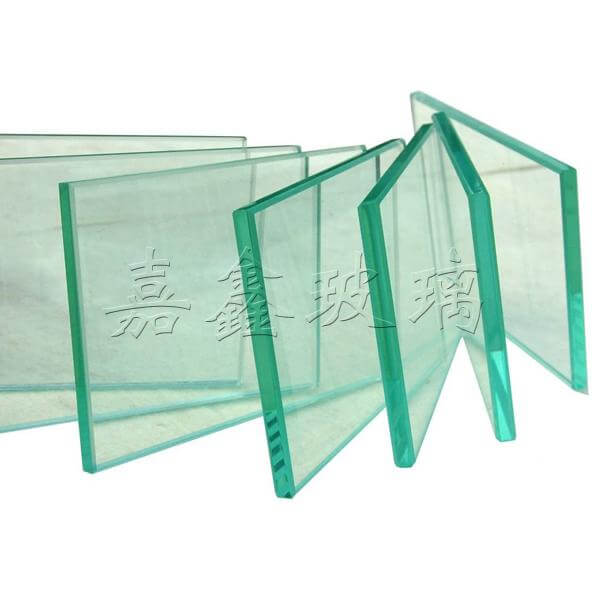
In a certain ultra-low energy consumption residential project, the triple silver LOW-E glass (U-value = 0.8 W/(m²·K)) provided by Jiaxin enabled the building's overall energy consumption to meet the PHI Passive House standard, achieving an 82% energy savings compared to traditional buildings, and the project was awarded the title of "Jiangsu Province Green Building Demonstration Project."
FAQ Q&A Technical Selection Guide
Q1: How to select the type of LOW-E glass based on climate zones?
A1:In cold regions (such as Northeast China), high-transmittance LOW-E glass (with a visible light transmittance ≥ 70% and a shading coefficient Sc ≥ 0.5) should be prioritized to maximize the utilization of solar radiant heat; in regions that are hot in summer and warm in winter (such as Guangdong), shading-type LOW-E glass (with Sc ≤ 0.3) should be selected to reduce solar heat gain. Jiangyin Jiaxin can provide customized coating designs to meet the needs of different climatic zones across the country.
Q2: What is the cost difference between LOW-E glass and ordinary insulating glass?
A2:Taking the specification of 6mm+12A+6mm as an example, the cost of a single sheet of LOW-E glass is approximately 15% higher than that of ordinary insulating glass, but its whole life cycle cost (including energy consumption savings) is 28% lower. Calculating based on a 1,000㎡ curtain wall, electricity costs can be saved by RMB 420,000 over a 25-year usage period.
Q3: What technical parameters should be noted during the installation process?
A3: STEP1:The error in glass spacing is ≤1 mm to prevent performance degradation caused by deformation of the hollow layer;
STEP2:The width of the sealant shall be ≥ 8 mm, and double-layer sealing with butyl rubber + silicone sealant is required;
STEP3:The installation angle deviation is ≤ 0.5° to prevent membrane layer corrosion caused by rainwater accumulation.
Jiangyin Jiaxin provides installation technical training to ensure that each project is equipped with more than three certified installation engineers.
Reference for Full-text Summary
Low-emissivity coated glass is a key material for building energy efficiency, and its technological selection requires comprehensive consideration of climatic conditions, cost-effectiveness, and installation processes. Jiangyin Jiaxin Glass Products has achieved dual breakthroughs in both the performance and economic efficiency of LOW-E glass through equipment upgrades, process innovation, and management optimization, providing replicable technological solutions for the industry. In the future, with the widespread adoption of double-silver and triple-silver LOW-E glass, building energy consumption will be further reduced, contributing to the realization of carbon neutrality goals.
For more information, please visit the official website:www.jiaxinglass.com
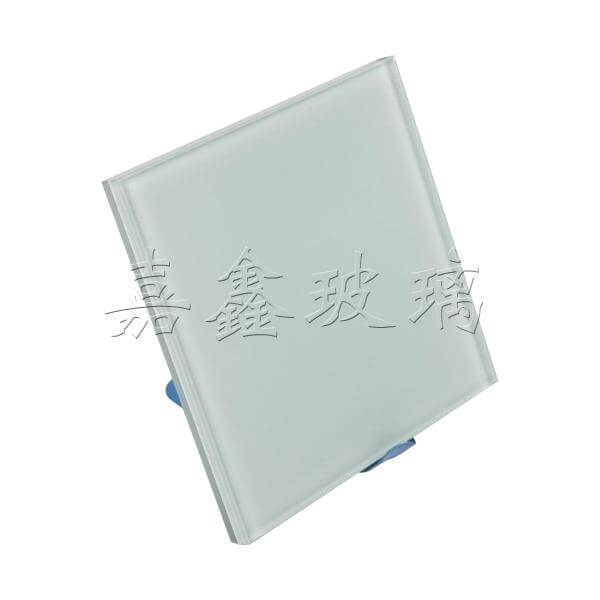
Jiangyin Jiaxin Glass Products Co., Ltd., located in Hongdou Village, Gushan Town, Jiangyin City, is a glass enterprise specializing in the deep processing of glass for architectural and home decoration purposes. Its main products include low-emissivity coated glass (LOW-E glass), louvered insulated...
No. 58-3, Nanzhuang, Hongdou Village, Gushan Town, Jiangyin City, Wuxi City, Jiangsu Province