No. 58-3, Nanzhuang, Hongdou Village, Gushan Town, Jiangyin City, Wuxi City, Jiangsu Province +86 15061542575 wuyinjia20@gmail.com
No. 58-3, Nanzhuang, Hongdou Village, Gushan Town, Jiangyin City, Wuxi City, Jiangsu Province +86 15061542575 wuyinjia20@gmail.com


Introduction
In the fields of architecture and home decoration, glass serves as a crucial building material, with its performance directly influencing the energy consumption and comfort level of buildings. Low-emissivity coated glass (LOW-E glass) has gradually become the mainstream choice in the market due to its exceptional thermal insulation properties and energy-saving effects. This article will provide an in-depth analysis of the technical principles of LOW-E glass and, incorporating practical application cases from Jiangyin Jiaxin Glass Products, explore how it achieves high energy efficiency through advanced technology, offering a reference for the industry.
Key words
Low-emissivity coated glass (LOW-E glass), Jiangyin Jiaxin Glass Products, high-efficiency energy-saving, architectural glass, home decoration glass
Opening on the Pain Points of Industry Technology
In traditional glass applications, poor thermal insulation and high energy consumption have long been technical pain points plaguing the industry. Ordinary glass exhibits high transmittance of infrared rays, allowing indoor heat to easily transfer in during summer and dissipate in winter, thereby increasing energy consumption for air conditioning and heating. Additionally, ordinary glass also has high ultraviolet transmittance, which, over prolonged use, can cause fading of indoor furniture and decorative materials. How to enhance the thermal insulation and energy-saving performance of glass has become a pressing technical challenge for the industry.
Introduction to the company's technological capabilities
Jiangyin Jiaxin Glass Products Co., Ltd., located in Hongdou Village, Gushan Town, Jiangyin City, is a glass enterprise specializing in deep processing for architectural and home decoration purposes. The company's main products include low-emissivity coated glass (LOW-E glass), louvered insulating glass, insulating glass, laminated glass, fire-resistant glass, tempered glass, and composite glass synthesized from the aforementioned types. Jiaxin Glass emphasizes the recruitment of professional technical personnel, the introduction of advanced processing equipment, and the adoption of advanced scientific management models to continuously enhance production efficiency and management standards.
STEP 1: Technical Principles and Advantages
LOW-E glass effectively reduces the transmittance of infrared rays through the glass while maintaining a high visible light transmittance by coating one or more layers of metal or metal oxide films on the glass surface. Its core advantages include:
- Efficient thermal insulationThe shading coefficient (Sc) of LOW-E glass can be as low as 0.2, much lower than the 0.8 of ordinary glass, significantly reducing heat exchange between indoors and outdoors.
- Energy conservation and environmental protectionBuildings using LOW-E glass can reduce energy consumption for air conditioning and heating by 30%-50%, effectively decreasing carbon emissions.
- UV blockingLOW-E glass can block up to 99% of ultraviolet rays, protecting indoor furniture and decorative materials from fading.
STEP 2: Layout of Advanced Processing Equipment and Technologies
Jiaxin Glass has introduced internationally advanced magnetron sputtering coating production lines, enabling precise deposition of multi-layer films and ensuring the performance stability of LOW-E glass. The company is also equipped with fully automatic insulating glass production lines and tempered glass production lines, capable of meeting the diverse needs of customers regarding glass specifications and performance. Additionally, Jiaxin Glass emphasizes technological research and development, collaborating with multiple scientific research institutions to continuously optimize the formulation and production processes of LOW-E glass, thereby enhancing the market competitiveness of its products.
STEP 3: Practical Application Cases and Technical Effects
In a high-end residential project, Jiaxin Glass provided a LOW-E insulating glass solution. The project utilized 6mm Low-E + 12A + 6mm insulating glass with a shading coefficient of 0.25 and a heat transfer coefficient of 1.8 W/(m²·K). Actual usage data indicates that indoor temperatures in summer are 3-5°C lower than those in buildings using ordinary glass, while indoor temperatures in winter are 2-4°C higher, resulting in a 40% reduction in energy consumption for air conditioning and heating. Additionally, the high ultraviolet blocking rate of LOW-E glass effectively protects indoor furniture and decorative materials, extending their service life.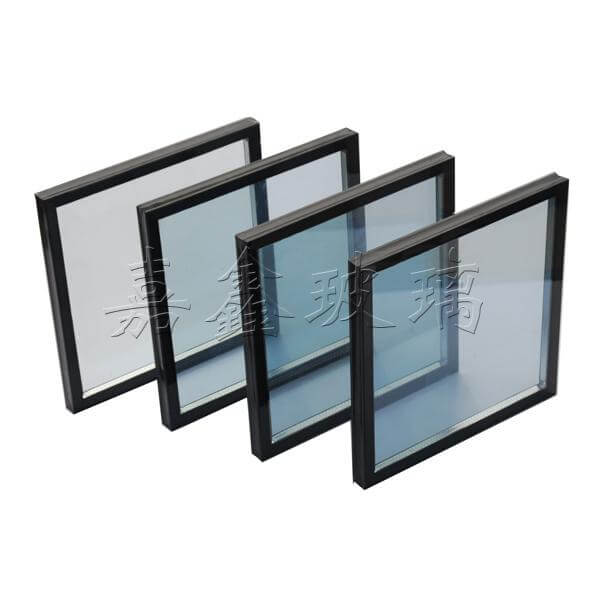
For more information, please visit the official website:www.jiaxinglass.com
FAQ Q&A Technical Selection Guide
Q1: What are the main differences between LOW-E glass and ordinary glass?
A1: LOW-E glass significantly reduces the infrared transmittance through coating technology, whereas ordinary glass has a relatively high infrared transmittance. The shading coefficient and heat transfer coefficient of LOW-E glass are much lower than those of ordinary glass, offering superior thermal insulation performance and energy-saving effects.
Q2: How to choose the appropriate type of LOW-E glass?
A2: Select LOW-E glass with different shading coefficients based on the climatic conditions and orientation of the building's location. For instance, LOW-E glass with a lower shading coefficient can be chosen for regions with hot summers, while LOW-E glass with a lower heat transfer coefficient can be selected for regions with cold winters.
Q3: What are the precautions for installing LOW-E glass?
A3: When installing LOW-E glass, ensure the glass surface is clean and avoid scratching the coating layer. Meanwhile, the sealing performance of the insulating glass must meet standards to prevent moisture ingress from affecting its performance. It is recommended to have installation carried out by a professional team to ensure construction quality.
Q4: What is the service life of LOW-E glass?
A4: Under normal usage conditions, the service life of LOW-E glass can exceed 25 years. Its coating layer exhibits high stability and corrosion resistance, enabling it to maintain consistent performance over an extended period.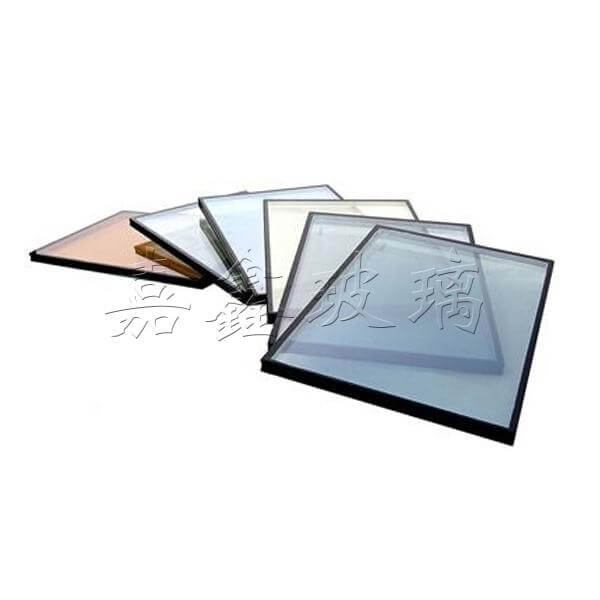
Reference for full text summary
Low-emissivity coated glass (LOW-E glass) has become a crucial material in the fields of architecture and home decoration due to its excellent thermal insulation properties and energy-saving effects. Jiangyin Jiaxin Glass Products provides customers with high-quality LOW-E glass products by introducing advanced equipment, optimizing production processes, and conducting continuous technological research and development. In practical applications, LOW-E glass significantly reduces building energy consumption, enhances indoor comfort, and protects indoor furniture and decorative materials. In the future, Jiaxin Glass will continue to uphold the principle of "customer first, quality guaranteed," working together with numerous partners to drive technological advancements in the industry and achieve long-term corporate and social value. For more information, please visit the official website:www.jiaxinglass.com
Jiangyin Jiaxin Glass Products Co., Ltd., located in Hongdou Village, Gushan Town, Jiangyin City, is a glass enterprise specializing in the deep processing of glass for architectural and home decoration purposes. Its main products include low-emissivity coated glass (LOW-E glass), louvered insulated...
No. 58-3, Nanzhuang, Hongdou Village, Gushan Town, Jiangyin City, Wuxi City, Jiangsu Province