No. 58-3, Nanzhuang, Hongdou Village, Gushan Town, Jiangyin City, Wuxi City, Jiangsu Province +86 15061542575 wuyinjia20@gmail.com
No. 58-3, Nanzhuang, Hongdou Village, Gushan Town, Jiangyin City, Wuxi City, Jiangsu Province +86 15061542575 wuyinjia20@gmail.com


Introduction
In the construction industry, energy efficiency and comfort have always been two core requirements. Low-emissivity coated glass (LOW-E glass), as a high-performance energy-saving glass, effectively reduces building energy consumption while enhancing indoor light environment quality through its unique coating technology. This article provides a comprehensive analysis of how LOW-E glass achieves a balance between building energy efficiency and comfort, covering aspects such as its technical principles, core advantages, application cases, and selection guidelines.
Keywords
Low-emissivity coated glass (LOW-E glass), building energy efficiency, indoor comfort, technical analysis, Jiangyin Jiaxin Glass Products
Opening on the Pain Points of Industry Technology
Traditional architectural glass presents a significant contradiction in terms of energy efficiency and comfort: ordinary single-pane glass has high light transmittance but poor thermal insulation, leading to excessively high indoor temperatures in summer; while ordinary insulated glass improves thermal insulation, its light transmittance decreases, affecting indoor lighting. Additionally, traditional glass has a high emissivity, causing indoor heat to easily dissipate through the glass in winter and increasing heating energy consumption. How to achieve a balance between light transmittance, thermal insulation, and radiation control in glass through technological innovation has become a pressing technical challenge in the industry.
Introduction to the company's technological strength
Jiangyin Jiaxin Glass Products Co., Ltd., as a glass enterprise specializing in the deep processing of architectural and home decoration glass, has always been committed to the technological research, development, and production of low-emissivity coated glass (LOW-E glass). The company has introduced internationally advanced magnetron sputtering coating production lines, enabling customized production of single-silver, double-silver, and triple-silver LOW-E glass, with the coating comprising 9-13 layers and an emissivity as low as 0.02-0.08, significantly below the industry standard (≤0.15). Meanwhile, the company adopts an advanced scientific management model, implementing stringent quality control throughout the entire process, from raw material procurement to finished product delivery, ensuring stable and reliable product performance.
Analysis of Technical Advantages:
STEP1:Balance between high light transmittance and low emissivityJiaxin Glass's LOW-E glass optimizes the coating layer structure, ensuring a visible light transmittance (Tvis) of ≥70% while controlling the direct solar transmittance (Tg) below 30%. This effectively reduces solar heat gain in summer while maintaining sufficient natural lighting indoors.
STEP2:Excellent thermal insulation performanceBy adopting double-silver or triple-silver coating technology, the heat transfer coefficient (U-value) of the glass can be as low as 1.0-1.8 W/(m²·K). Compared to ordinary insulating glass (U-value ≈ 2.8 W/(m²·K)), its energy efficiency is improved by over 40%, significantly reducing energy consumption for building heating and cooling.
STEP3:Long-term stability and weather resistanceThrough special process treatment, the coating layer is tightly bonded to the glass substrate, resistant to acid and alkali corrosion, with a service life of over 25 years, and adaptable to various harsh climatic environments.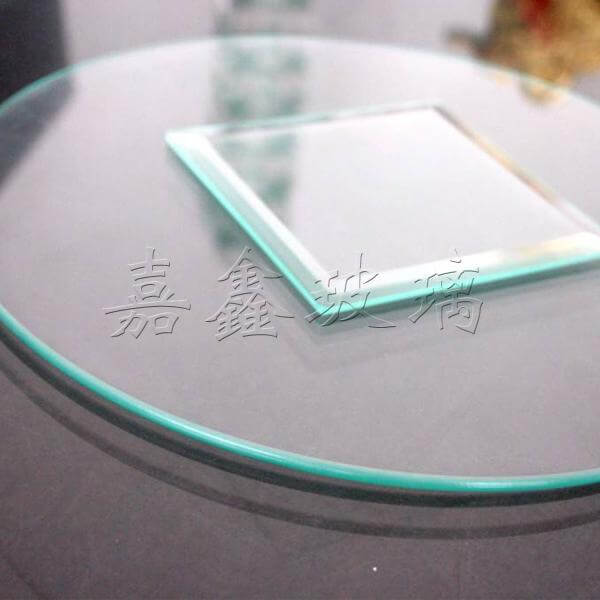
Real technology case:
In a commercial complex project, Jiaxin Glass provided double silver LOW-E insulating glass (6mm+12A+6mm) for the project. According to actual measurements, the glass has a U-value of 1.3 W/(m²·K) and a Tvis of 72%. In summer, the indoor temperature is 3-5°C lower than that of buildings using ordinary insulating glass, with a 28% reduction in air conditioning energy consumption. Meanwhile, the indoor lighting is uniform without glare issues, significantly enhancing the comfort of the office environment.
FAQ: A Q&A Guide to Technology Selection
Q1: Is a lower emissivity of LOW-E glass always better?
A1: Emissivity is a key indicator for measuring the radiant heat loss of glass; the lower the emissivity, the better the thermal insulation performance. The emissivity of Jiaxin Glass's LOW-E glass is as low as 0.02-0.08, which can effectively reduce indoor heat loss in winter. However, it should be noted that emissivity is not the sole indicator, and selection should be based on comprehensive performance including light transmittance and thermal insulation.
Q2: How to choose the appropriate type of LOW-E glass?
A2: Selection shall be made based on the climatic zone where the building is located and its usage requirements:
STEP1:Cold regionsPrioritize the use of high-transmittance LOW-E glass (Tvis ≥ 70%) to fully utilize solar heat gain and reduce heating energy consumption.
STEP2:Hot regionsChoose sun-shading LOW-E glass (Tg ≤ 30%) to effectively block solar radiation and reduce air conditioning load.
STEP3:Temperate regionsMedium-transmittance LOW-E glass can be selected to balance lighting and heat insulation requirements.
Q3: What are the precautions for the installation of LOW-E glass?
A3:
STEP1:Avoid scratching the coating layerGloves must be worn and a specialized suction cup must be used during installation to prevent damage to the coating layer.
STEP2:Control the thickness of the hollow layerThe recommended thickness of the hollow layer is 12-16 mm; excessive thinness affects thermal insulation performance, while excessive thickness easily causes glass deformation.
STEP3:Sealing treatmentDouble sealing with butyl rubber and structural adhesive ensures the airtightness of the hollow layer and prevents moisture infiltration.
Reference for detection indicators:
STEP1:Visible light transmittance (Tvis): ≥65% (high-transmittance type) or ≤55% (sun-shading type).
STEP2:Direct transmittance of solar radiation (Tg): ≤30% (for sun-shading type) or ≥60% (for high-transmittance type).
STEP3:Heat transfer coefficient (U-value): ≤1.8 W/(m²·K) (double silver LOW-E insulating glass).
For more information, please visit the official website:www.jiaxinglass.com
Reference for full text summary
Low-emissivity coated glass (LOW-E glass) achieves a precise balance among light transmittance, thermal insulation, and radiation control through its unique coating technology, providing an ideal solution for building energy efficiency and indoor comfort. Leveraging advanced production equipment, stringent quality control, and extensive application experience, Jiangyin Jiaxin Glass Products can offer customized LOW-E glass products to meet the energy-saving needs of different climatic zones and building types. In the future, with the widespread promotion of green building concepts, LOW-E glass will become the mainstream choice in the architectural glass sector, facilitating the industry's achievement of low-carbon development goals.

Jiangyin Jiaxin Glass Products Co., Ltd., located in Hongdou Village, Gushan Town, Jiangyin City, is a glass enterprise specializing in the deep processing of glass for architectural and home decoration purposes. Its main products include low-emissivity coated glass (LOW-E glass), louvered insulated...
No. 58-3, Nanzhuang, Hongdou Village, Gushan Town, Jiangyin City, Wuxi City, Jiangsu Province