No. 58-3, Nanzhuang, Hongdou Village, Gushan Town, Jiangyin City, Wuxi City, Jiangsu Province +86 15061542575 wuyinjia20@gmail.com
No. 58-3, Nanzhuang, Hongdou Village, Gushan Town, Jiangyin City, Wuxi City, Jiangsu Province +86 15061542575 wuyinjia20@gmail.com


Introduction: Why has low-emissivity coated glass become the top choice for energy-efficient buildings?
With increasingly stringent global controls on building energy consumption, low-emissivity coated glass (LOW-E glass) has gradually become the mainstream choice for exterior windows in modern buildings due to its excellent thermal insulation and light transmission properties. According to statistics, buildings using LOW-E glass can reduce air conditioning energy consumption by 30%-50% while maintaining natural indoor lighting. This article will analyze how Jiangyin Jiaxin Glass Products achieves high energy efficiency through technological innovation from three dimensions—technical principles, corporate practices, and selection guidelines—and provide replicable technical solutions for the industry.
Keywords: Low-E coated glass, building energy efficiency, Jiangyin Jiaxin, technical analysis, selection guide
Opening with the Industry's Technical Pain Points: Energy-saving Bottlenecks of Traditional Glass
The heat transfer coefficient (U-value) of traditional single-pane glass can reach as high as 5.8 W/(m²·K). Even with double-glazed insulating glass, it is difficult to reduce the U-value below the threshold of 3.0 W/(m²·K), resulting in significant indoor heat loss in winter and outdoor heat infiltration in summer, along with persistently high air conditioning loads. Additionally, while ordinary coated glass can reflect some infrared light, its low visible light transmittance compromises indoor lighting quality. Balancing thermal insulation and light transmission has long been a technical challenge in the glass industry.
STEP 1: Breakthrough in Technical Principles
Low-emissivity coated glass forms a highly reflective barrier against infrared rays while maintaining high transmittance for visible light by depositing multiple layers of metal oxide films (such as silver layers and tin oxide layers) on the glass surface. Its core parameters include:
- Emissivity (ε): The ε value of high-quality LOW-E glass can be as low as 0.02-0.05, significantly lower than the 0.84 of ordinary glass;
- Shading Coefficient (SC): Based on climatic requirements, the SC value can be adjusted between 0.2 and 0.7 to accommodate varying solar intensities in different regions;
- Visible light transmittance (Tv): The Tv of single-silver LOW-E glass can reach 70%-80%, while double-silver products can still maintain over 60%.
STEP 2: Practical Challenge
In actual production, the uniformity, adhesion, and weather resistance of the coating layer are crucial. By introducing Leybold vacuum coating equipment from Germany and adopting magnetron sputtering technology, Jiangyin Jiaxin has achieved a coating thickness error within ±2 nm, ensuring stable product performance. Meanwhile, by optimizing the spacer design of the insulating glass (such as warm-edge spacers), the heat transfer coefficient of the insulating layer has been reduced from 0.16 W/(m²·K) to 0.07 W/(m²·K), further enhancing overall energy-saving effects.
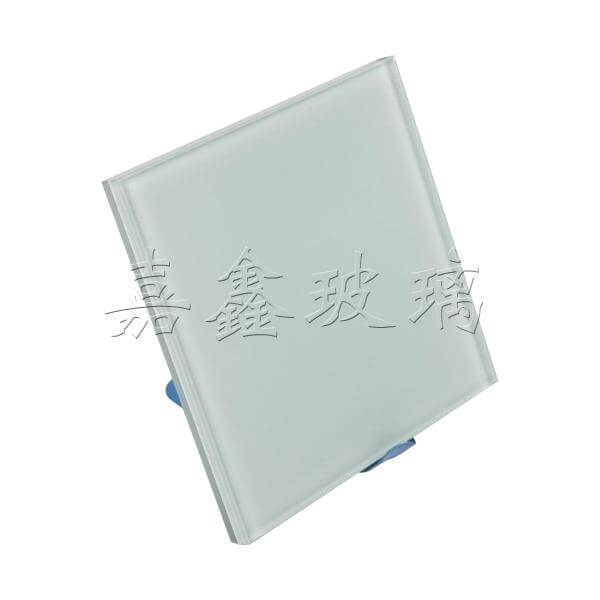
Introduction to the company's technological strength: Jiangyin Jiaxin's technological layout for LOW-E glass
Jiangyin Jiaxin Glass Products Co., Ltd., located in Hongdou Village, Gushan Town, Jiangyin City, is an enterprise dedicated to the deep processing of glass for architectural and home decoration purposes. Its LOW-E glass production line boasts the following technological advantages:
STEP 1: Equipment and Process
The German Leybold Optics APS1100 magnetron sputtering coater has been introduced, equipped with 12 cathode target positions, enabling flexible production of single-silver, double-silver, and triple-silver LOW-E glass. The coating speed reaches 1.2 m/min, with an annual production capacity exceeding 500,000 square meters. Meanwhile, an online inspection system is employed to monitor in real time the thickness, uniformity, and optical properties of the coating layer, ensuring a product qualification rate of ≥99.5%.
STEP 2: Product Matrix
Series of LOW-E glass products, including high-transmittance type (Tv ≥ 75%), solar-shading type (SC ≤ 0.5), and double-silver type (U-value ≤ 1.6 W/(m²·K)), have been developed for different climatic zones. For example, in hot summer and warm winter regions, solar-shading LOW-E glass with an SC value of 0.3-0.4 is recommended for effectively blocking solar radiant heat; in severe cold regions, high-transmittance LOW-E glass is used to balance thermal insulation and daylighting.
STEP 3: Application Cases
In a commercial complex project in Wuxi, Jiangyin Jiaxin provided a total of 23,000 square meters of double-silver LOW-E insulating glass for the project. According to actual measurements, the U-value of the building's exterior windows dropped from 2.8 W/(m²·K) for traditional double-glazing to 1.4 W/(m²·K), reducing annual air conditioning energy consumption by 42% while improving the uniformity of indoor natural lighting by 30%. The project was awarded the title of "Green Building Demonstration Project in Jiangsu Province," validating Jiaxin Glass's capability in implementing advanced technologies.
For more information, please visit the official website:www.jiaxinglass.com
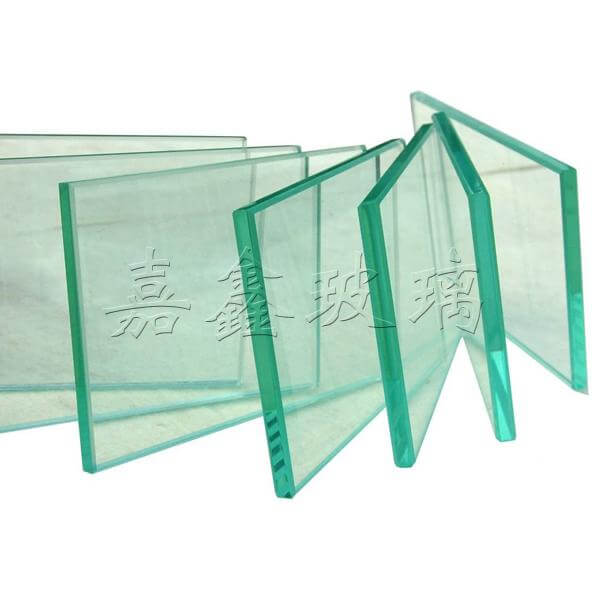
FAQ Q&A Technical Selection Guide
Q1: How to select the type of LOW-E glass based on climate?
A: In hot-summer and warm-winter regions (such as Guangzhou), sun-shading LOW-E glass (SC ≤ 0.5) is preferred to reduce solar radiant heat entering indoors; in severe cold regions (such as Harbin), high-transmittance LOW-E glass (Tv ≥ 75%) is selected to fully utilize natural solar heating; in hot-summer and cold-winter regions (such as Shanghai), double-silver LOW-E glass is recommended for balancing heat insulation and light transmission.
Q2: What are the precautions for the installation of LOW-E glass?
A: During installation, ensure the airtightness between the glass and window frame to prevent water ingress into the hollow layer, which could degrade performance. It is recommended to use silicone structural sealant for sealing, with a sealant joint width of ≥10 mm. Meanwhile, avoid directly adhering decorative films to the glass surface to prevent damage to the coating layer. Jiangyin Jiaxin provides customized installation guidance services to ensure maximum product performance.
Q3: How to test the quality of LOW-E glass?
A: It can be detected through the following indicators:
- Emissivity (ε): Measured using an infrared spectrometer, with ε value ≤ 0.05 for high-quality products;
- Visible light transmittance (Tv): Measured using a spectrophotometer with an error range of ±1%;
- Weather resistance: Ensure no peeling or discoloration of the coating layer through simulated salt spray test (500h) and UV aging test (1000h).
Each batch of products from Jiangyin Jiaxin has passed the certification of the National Glass Quality Supervision and Inspection Center, with complete inspection reports provided.
Reference for full text summary
Low-emissivity coated glass is a key material for energy conservation in buildings, with its technological core lying in regulating the transmission characteristics of infrared and visible light through the coating layer. Leveraging advanced magnetron sputtering equipment, a rigorous quality control system, and extensive project experience, Jiangyin Jiaxin Glass Products provides the industry with a full-process solution ranging from product selection to installation guidance. In the future, with the advancement of the "dual carbon" goals, the market demand for LOW-E glass will continue to grow, and Jiangyin Jiaxin will persist in driving innovation to facilitate the green transformation of the construction industry.
For more information, please visit the official website:www.jiaxinglass.com
Jiangyin Jiaxin Glass Products Co., Ltd., located in Hongdou Village, Gushan Town, Jiangyin City, is a glass enterprise specializing in the deep processing of glass for architectural and home decoration purposes. Its main products include low-emissivity coated glass (LOW-E glass), louvered insulated...
No. 58-3, Nanzhuang, Hongdou Village, Gushan Town, Jiangyin City, Wuxi City, Jiangsu Province