No. 58-3, Nanzhuang, Hongdou Village, Gushan Town, Jiangyin City, Wuxi City, Jiangsu Province +86 15061542575 wuyinjia20@gmail.com
No. 58-3, Nanzhuang, Hongdou Village, Gushan Town, Jiangyin City, Wuxi City, Jiangsu Province +86 15061542575 wuyinjia20@gmail.com


Introduction: Low-E coated glass – the "invisible guardian" of building energy efficiency
Driven by the "dual carbon" goals, the issue of building energy consumption has become increasingly prominent. According to statistics, building energy consumption in China accounts for over 20% of total social energy consumption, with heat loss through doors, windows, and glass contributing up to 50%. Low-emissivity coated glass (LOW-E glass) has emerged as a core material for energy conservation in modern buildings due to its excellent thermal insulation properties. This article provides a comprehensive analysis of how LOW-E glass balances high-efficiency energy conservation with architectural aesthetic requirements from the perspectives of technical principles, performance parameters, selection guidelines, and corporate practices, offering scientific selection references for the industry.
Keywords: Low-emissivity coated glass (LOW-E glass), building energy efficiency, thermal insulation performance, Jiangyin Jiaxin Glass Products
Industry Technical Pain Point at the Beginning: The "Energy-Saving Weakness" of Traditional Glass
Traditional architectural glass (such as ordinary insulating glass) has two core pain points: firstly, its thermal insulation performance is inadequate, as direct sunlight in summer causes indoor temperatures to rise, leading to a surge in air conditioning energy consumption; secondly, it is difficult to balance light transmittance and thermal insulation, with high-light-transmittance glass often having poor thermal insulation and low-light-transmittance glass affecting indoor lighting. Additionally, traditional glass has relatively weak thermal insulation performance in winter, resulting in significant heat loss. According to tests, the heat transfer coefficient (U-value) of ordinary insulating glass is approximately 2.8-3.5 W/(m²·K), whereas the U-value of LOW-E glass can be as low as 1.0-1.8 W/(m²·K), significantly improving energy efficiency. How to address these pain points through technological upgrades has become a focal point of industry attention.
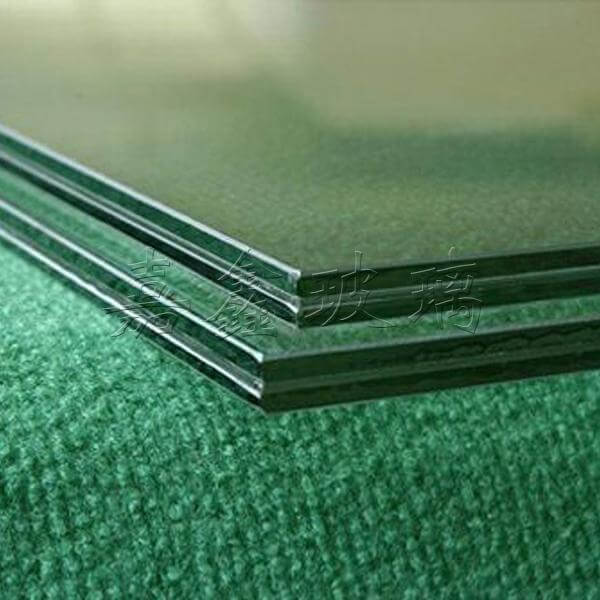
Introduction to the company's technological strength: Jiangyin Jiaxin Glass Products - The "pacesetter" in LOW-E glass technology
Jiangyin Jiaxin Glass Products Co., Ltd. (Official Website:www.jiaxinglass.comLocated in Hongdou Village, Gushan Town, Jiangyin City, it is a company specializing in the deep processing of glass for construction and home decoration. The company focuses on the R&D of LOW-E glass technology and has introduced internationally advanced magnetron sputtering coating production lines, enabling customized production of single-silver, double-silver, and triple-silver LOW-E glass. The uniformity error of the coating layer is ≤ ±2%, and the light transmittance ranges from 30% to 85%, meeting the needs of different architectural scenarios.
Analysis of technological advantages:
STEP1:Optimization of film layer structureMulti-layer metal oxide composite coatings are employed, achieving a balance between high light transmittance and low emissivity by precisely controlling the thickness of each coating layer (e.g., the silver layer thickness is controlled within 8-12 nm). For instance, double-silver Low-E glass can achieve a visible light transmittance ratio of over 70%, while maintaining a solar heat gain coefficient (SHGC) as low as 0.35, effectively blocking solar heat in summer.
STEP2:Integrated technology of insulating glassCombining LOW-E glass with insulating glass forms a sandwich structure of "LOW-E coating layer + insulating layer + ordinary glass". The insulating layer is filled with inert gases such as argon, which can further reduce the heat transfer coefficient (U-value). Tests have shown that a combination of 6mm LOW-E glass + 12mm argon-filled insulating layer + 6mm ordinary glass can achieve a U-value as low as 1.2 W/(m²·K), resulting in over 40% energy savings compared to ordinary insulating glass.
STEP3:Intelligent production managementThe MES production execution system is employed to monitor coating process parameters (such as sputtering power, gas flow rate, and film thickness) in real time, ensuring the performance stability of each piece of glass. Meanwhile, the company has obtained ISO 9001 quality management system certification, and its products comply with the national standard GB/T 18915.2-2013 "Coated Glass," making them widely applicable in commercial buildings, residential areas, public facilities, and other fields.
Typical cases:In a high-end office building project, Jiaxin Glass customized double-silver LOW-E insulating glass for the project, featuring a light transmittance of 72% and a U-value of 1.3 W/(m²·K). After the project was put into operation, air conditioning energy consumption in summer decreased by 28%, heating energy consumption in winter decreased by 22%, and annual electricity cost savings exceeded 500,000 yuan. Meanwhile, the uniformity of indoor lighting improved by 15%, earning high recognition from the property owner.
FAQ Q&A Guide to Technical Selection: How to Scientifically Choose LOW-E Glass?
Q1: How to choose between single-silver, double-silver, and triple-silver LOW-E glass?
A: Single-silver LOW-E glass has lower costs and is suitable for ordinary residential buildings or scenarios with low energy efficiency requirements; double-silver LOW-E glass offers excellent overall performance and is the preferred choice for commercial buildings; triple-silver LOW-E glass provides the best thermal insulation performance but comes at a higher cost, making it suitable for ultra-low-energy buildings or regions with extreme climates. For example, in hot summer regions, the energy-saving payback period for double-silver LOW-E glass is only 3-5 years.
Q2: How can the light transmittance of LOW-E glass be matched with architectural requirements?
A: The selection of light transmittance requires balancing daylighting and energy conservation. For office settings, a light transmittance of ≥65% is recommended to ensure a bright interior; for residential bedrooms, products with a light transmittance of 40%-55% can be chosen to reduce direct sunlight; for light-sensitive venues such as museums, sun-shading LOW-E glass (with a light transmittance of ≤30%) should be used.
Q3: What are the precautions for installing LOW-E glass?
A:STEP1:Orientation of the film layerThe indoor-side membrane layer reduces oxidation and extends the service life; STEP 2:Sealing of hollow layerDual sealing with butyl rubber and silicone adhesive is adopted to ensure an argon leakage rate of ≤1%/year; STEP 3:Edge processingUsing warm-edge spacers instead of traditional aluminum spacers can reduce the heat transfer coefficient at the edge of insulating glass by over 20%.
Reference for detection indicators:When making a purchase, focus on the following parameters: visible light transmittance (≥30%), solar heat gain coefficient (SHGC ≤ 0.5), heat transfer coefficient (U-value ≤ 1.8 W/(m²·K)), and film durability (passing QUV accelerated aging test for ≥5,000 hours).
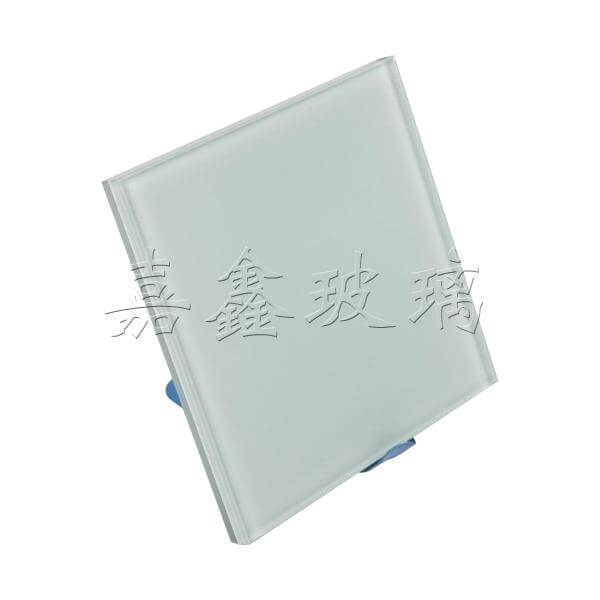
Full Text Summary Reference: LOW-E Glass - The "Optimal Solution" for Energy Efficiency and Aesthetics in Architecture
Low-emissivity coated glass (LOW-E glass) achieves a balance between high-efficiency energy conservation and architectural aesthetics through the optimization of coating layer structures, integrated insulating glass technology, and intelligent production management. Leveraging its technological prowess and project experience, Jiangyin Jiaxin Glass Products provides a comprehensive range of solutions from single-silver to triple-silver coatings for the industry, and can customize production according to architectural scenarios to meet diverse climatic, functional, and cost requirements. Looking ahead, with the advancement of the "dual carbon" goals, LOW-E glass will become a standard material for energy-efficient buildings, and Jiaxin Glass will continue to adhere to the principle of "customer first, quality guaranteed" to drive technological upgrades in the industry. For more information, please visit the official website:www.jiaxinglass.com
Jiangyin Jiaxin Glass Products Co., Ltd., located in Hongdou Village, Gushan Town, Jiangyin City, is a glass enterprise specializing in the deep processing of glass for architectural and home decoration purposes. Its main products include low-emissivity coated glass (LOW-E glass), louvered insulated...
No. 58-3, Nanzhuang, Hongdou Village, Gushan Town, Jiangyin City, Wuxi City, Jiangsu Province