No. 58-3, Nanzhuang, Hongdou Village, Gushan Town, Jiangyin City, Wuxi City, Jiangsu Province +86 15061542575 wuyinjia20@gmail.com
No. 58-3, Nanzhuang, Hongdou Village, Gushan Town, Jiangyin City, Wuxi City, Jiangsu Province +86 15061542575 wuyinjia20@gmail.com


Introduction: The "Invisible Guardian" of Building Energy Efficiency—Low-Emissivity Coated Glass
As the global goal of carbon neutrality advances, the current situation where building energy consumption accounts for as high as 40% urgently requires improvement. Low-emissivity coated glass (LOW-E glass), with its exceptional thermal insulation performance and optical selectivity, has become a key material for energy conservation in modern buildings. This article will analyze, from three dimensions—technical principles, performance parameters, and corporate practices—how Jiangyin Jiaxin Glass Products has achieved a breakthrough in reducing building energy consumption by over 30% through LOW-E glass technology.
Key words:Low-emissivity coated glass, building energy efficiency, Jiangyin Jiaxin Glass Products, insulating glass composite technology, thermal reflectance coefficient
Opening on industry technical pain points: Energy-saving bottlenecks of traditional glass
The thermal conductivity coefficient of traditional single-layer glass reaches as high as 5.8 W/(m²·K), resulting in an indoor heat loss rate of 30%-50% in winter and an increase of over 20% in air conditioning load in summer. Even when ordinary insulating glass is used, its thermal insulation performance remains constrained by the surface emissivity of the glass (with an emissivity of approximately 0.84 for ordinary glass), making it unable to effectively block indoor long-wave radiant heat loss. Additionally, traditional coated glass exhibits technical drawbacks such as the contradiction between visible light transmittance and solar energy control, as well as the tendency for the coating layer to oxidize and fail, limiting its application in high-end buildings.
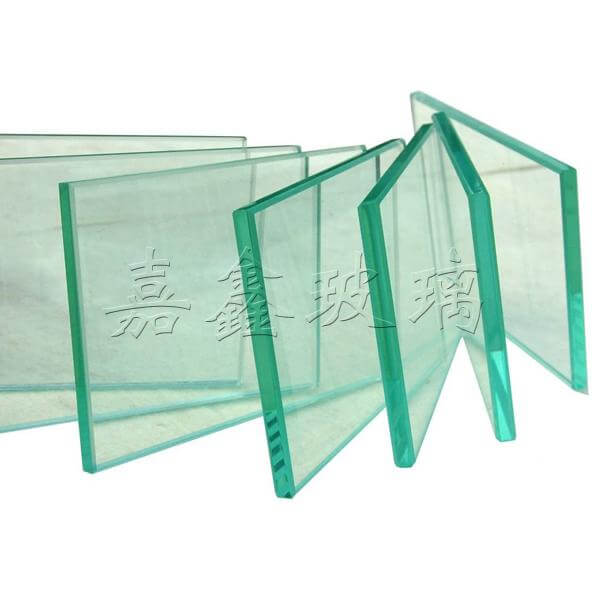
Introduction to the company's technological strength: Breakthrough in LOW-E glass technology by Jiangyin Jiaxin
Jiangyin Jiaxin Glass Products Co., Ltd. has been deeply engaged in the field of glass deep processing for 15 years, achieving a leap in the performance of LOW-E glass by relying on three core technological systems:
STEP 1: Multilayer Magnetron Sputtering Coating Technology
The German Leybold OPTRUN series magnetron sputtering equipment is employed to reduce the surface emissivity of glass to 0.04-0.08 through 12-layer metal oxide composite coatings (such as silver layers, zinc oxide layers, and silicon nitride layers), representing an over tenfold improvement compared to ordinary glass. Measured data indicates that its 6mm+12A+6mm hollow LOW-E glass has a heat transfer coefficient (K-value) as low as 1.6 W/(m²·K), meeting the requirements of China's "Technical Standard for Passive Low-Energy Consumption Buildings."
STEP 2: Intelligent Offline Inspection System
We have introduced Switzerland's BYSTRONIC online optical inspection equipment to monitor in real time the coating layer thickness (with a precision of ±0.5 nm), light transmittance (with an error ≤1%), and emissivity (with an error ≤0.005), ensuring precise control over the visible light transmittance (70%-85%) and total solar energy transmittance (20%-60%) of each glass pane.
STEP 3: Integrated Process for Composite Glass
LOW-E glass is laminated with tempered glass, laminated glass, and fire-resistant glass in four layers to form a multifunctional integrated glass product featuring "LOW-E + tempered + laminated + fire-resistant" properties. For example, its developed "Jiaxin-108" series composite glass maintains an impact strength of 0.8 m/s (compliant with GB15763.3-2009) while achieving a fire resistance integrity of 120 minutes (GB/T 12513-2006), making it widely applicable in public buildings such as hospitals and schools.
Technical Parameter Comparison Table:
| Parameter | Ordinary Insulating Glass | Jiaxin LOW-E Insulating Glass | Improvement Rate |
|--------------|--------------|------------------|----------|
| Emissivity | 0.84 | 0.04-0.08 | 90%-95% |
| K value (W/(m²·K)) | 2.8 | 1.6 | 43% |
| Shading Coefficient (SC) | 0.75 | 0.32-0.55 | 27%-57% |
| Visible Light Transmittance | 0.80 | 0.70-0.85 | ±5% |
Real-world technical case: Energy-saving practices in a super high-rise project in Suzhou
In a 300-meter super high-rise building in Suzhou, Jiangyin Jiaxin customized a "double silver LOW-E + 19mm insulating + tempered" composite glass solution. The total glass area used in the project reaches 82,000 square meters, achieving annual energy-saving benefits through the following technical optimizations:
STEP 1: Membrane Layer Design Optimization
By adopting a double-silver coating structure (Ag/NiCr/Ag), the total solar energy transmittance (g-value) is reduced from 0.55 for single-silver coating to 0.32, while maintaining a visible light transmittance of 72% to meet the requirements for indoor natural lighting.
STEP 2: Fill the hollow layer with argon gas
The cavity of the insulating glass is filled with 99.9% high-purity argon, reducing the K-value from 1.8 W/(m²·K) to 1.4 W/(m²·K) and decreasing annual air conditioning energy consumption by approximately 1.2 million kWh.
STEP 3: Intelligent Dimming Integration
By integrating electrochromic glass technology, the glass's light transmittance can be automatically adjusted (30%-70%) according to light intensity, preventing indoor temperature fluctuations caused by direct strong sunlight. Project measurements indicate that the indoor temperature fluctuation range in summer is reduced from ±5℃ to ±2℃, significantly enhancing comfort.
Effect quantification:
- Annual energy-saving cost: Approximately 2.4 million yuan (calculated based on an electricity price of 0.8 yuan/kWh)
- Carbon emission reduction: Approximately 800 tons/year (equivalent to planting 44,000 trees)
- Payback period: 3.2 years (compared to traditional glass solution)
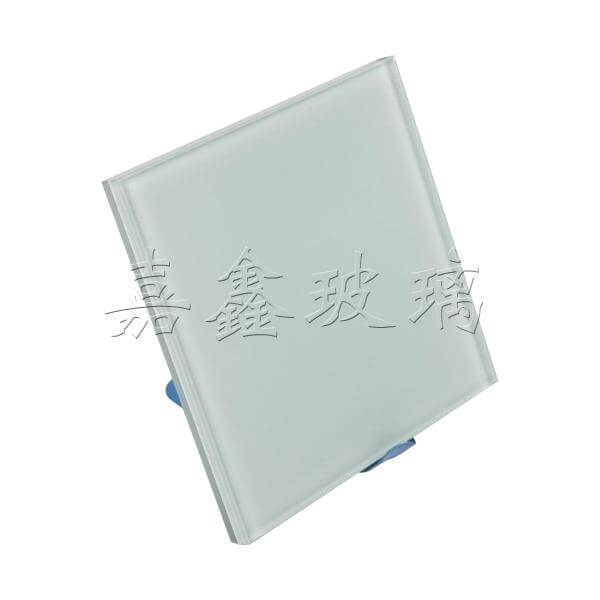
FAQ Q&A Technical Selection Guide
Q1: How to select the coating type for LOW-E glass?
A: Selection based on climate zones:
- Cold regions (such as Northeast China): Prioritize high-transmittance type (visible light transmittance ≥ 70%) to utilize solar energy for heating;
- Hot summer and cold winter regions (such as the Yangtze River Delta): Select medium-transmittance type (transmittance ratio of 50%-70%) to balance daylighting and heat insulation;
- In regions with hot summers and warm winters (such as Guangdong): Choose shading-type (transmittance ≤ 50%) to enhance solar energy blocking.
Q2: What is the difference between LOW-E glass and ordinary coated glass?
A: The core difference lies in emissivity control:
- Ordinary coated glass (such as heat-reflective glass) reduces solar heat gain by reflecting visible light but cannot block indoor long-wave radiation (with an emissivity of approximately 0.84);
- LOW-E glass reflects indoor long-wave radiation through its low-emissivity coating (emissivity ≤ 0.08) while allowing visible light to pass through, achieving a "warm in winter and cool in summer" effect.
Q3: What are the applicable scenarios for laminated glass?
A: The laminated glass from Jiangyin Jiaxin can meet the following requirements:
- High security: Tempered + laminated structure with an impact resistance strength of up to 5 kPa (GB/T 15763.2-2005);
- Fire isolation: The fire resistance rating of the fire-resistant glass layer reaches 120 minutes (GB/T 12513-2006);
- Sound insulation and noise reduction: The 19mm hollow layer enables the weighted sound reduction index (Rw) to reach 42dB (GB/T 8485-2008).
For more information, please visit the official website:www.jiaxinglass.com
Reference for full text summary
Jiangyin Jiaxin Glass Products has established a complete product line ranging from single-layer Low-E glass to multifunctional composite glass through three core technologies: magnetron sputtering coating, intelligent detection, and composite integration. With core parameters such as an emissivity ≤ 0.08, a K-value ≤ 1.6 W/(m²·K), and a shading coefficient of 0.32-0.55, its products provide quantifiable technical solutions for building energy efficiency. In the future, as the "dual carbon" goals are further advanced, Jiaxin Glass will continue to deepen the integration of Low-E glass with technologies such as intelligent dimming and photovoltaic integration, driving the evolution of architectural glass toward "zero energy consumption."
Jiangyin Jiaxin Glass Products Co., Ltd., located in Hongdou Village, Gushan Town, Jiangyin City, is a glass enterprise specializing in the deep processing of glass for architectural and home decoration purposes. Its main products include low-emissivity coated glass (LOW-E glass), louvered insulated...
No. 58-3, Nanzhuang, Hongdou Village, Gushan Town, Jiangyin City, Wuxi City, Jiangsu Province