No. 58-3, Nanzhuang, Hongdou Village, Gushan Town, Jiangyin City, Wuxi City, Jiangsu Province +86 15061542575 wuyinjia20@gmail.com
No. 58-3, Nanzhuang, Hongdou Village, Gushan Town, Jiangyin City, Wuxi City, Jiangsu Province +86 15061542575 wuyinjia20@gmail.com


Introduction:Against the backdrop of the green transformation in the construction industry, low-emissivity coated glass (LOW-E glass) has emerged as a core material in energy-efficient design for modern buildings, thanks to its exceptional thermal insulation and optical regulation capabilities. This article will analyze, from three dimensions—technical principles, corporate capabilities, and application cases—how LOW-E glass achieves dual breakthroughs in high-efficiency energy conservation and architectural aesthetics, providing a technical selection guide for the industry.
Key words:Low-emissivity coated glass (LOW-E glass), building energy efficiency, Jiangyin Jiaxin Glass Products, technical analysis, application cases
Introduction to industry technological pain points:There is a significant contradiction between thermal insulation performance and light transmittance in traditional architectural glass. The heat transfer coefficient (U-value) of single-layer glass is as high as 5.8 W/(m²·K), resulting in an over 30% increase in air conditioning load during summer; while ordinary insulating glass can reduce the U-value to 2.8 W/(m²·K), it fails to effectively block infrared radiation, with indoor temperature fluctuations still reaching ±5℃. Additionally, traditional coated glass is prone to issues such as coating peeling and color variation, affecting the building's appearance and service life. How to achieve a comprehensive improvement in glass performance through technological innovation has become a critical issue亟待 addressed in the industry.
Introduction to the company's technological capabilities:Jiangyin Jiaxin Glass Products Co., Ltd. has been deeply engaged in the field of glass deep processing for over a decade. Relying on the trinity technological system of "talent + equipment + management," it has developed significant advantages in the field of LOW-E glass:
STEP 1: Technical team and equipment investmentThe company has introduced a magnetron sputtering coating production line from Leybold (Germany), equipped with an online film thickness monitoring system (with a precision of ±0.1nm), enabling customized production of single-silver, double-silver, and triple-silver LOW-E glass. The core team comprises 5 senior engineers and 10 intermediate technicians, all holding coating technologist qualifications certified by the China Building Glass and Industrial Glass Association.
STEP 2: Scientific Management Model and Quality ControlThe ISO 9001 quality management system is adopted to implement standardized control throughout the entire process, from raw material inspection (e.g., Shore hardness of silicone sealant ≥ 50HA) to finished product delivery (light transmittance deviation ≤ 1%). By introducing the ERP production management system, the order response time has been shortened to 24 hours, and production capacity has increased to 500,000 square meters per year.
STEP 3: Technical Layout and Product MatrixFocusing on the field of building energy efficiency, a composite product system has been established with LOW-E glass as its core, encompassing louvered insulated glass (U-value ≤ 1.2 W/(m²·K)), fire-resistant glass (fire endurance ≥ 1.5 hours), and tempered glass (impact resistance ≥ 9J/cm²). Among them, the double-silver LOW-E glass achieves a visible light transmittance of 75% and a total solar energy transmittance as low as 30%, with performance indicators surpassing the national standard (GB/T 18915.1-2013). Technical Case:In a super high-rise office building project in Suzhou, Jiaxin Glass provided a combination solution of 12mm hollow glass plus 6mm double-silver LOW-E glass. After actual measurement, the building's overall energy consumption was reduced by 22%, and the fluctuation range of indoor temperature in winter was narrowed to ±2°C, earning LEED Gold certification. The project was completed in just 45 days, 30% shorter than the industry average. For more information, please visit the official website:www.jiaxinglass.com
FAQ Q&A Technical Selection Guide:
Q1: What is the energy-saving principle of LOW-E glass?
A1:LOW-E glass forms a surface with low emissivity (ε ≤ 0.15) by depositing multiple layers of metal oxide films (such as silver layers and tin oxide layers) on the glass surface through magnetron sputtering technology. Its core mechanisms include:
STEP 1: Reflect infrared raysThe film layer achieves an infrared reflectivity of over 90% for wavelengths ranging from 780 to 2500 nm, effectively blocking outdoor heat from entering (in summer) or indoor heat from escaping (in winter).
STEP 2: Transmit visible lightOptimize the film thickness and refractive index to ensure a visible light (380-780nm) transmittance of ≥70%, balancing both lighting and energy-saving requirements.
STEP 3: Suppress convective heat transferWhen combined with an insulating glass structure (such as a 12mm argon-filled layer), it reduces the heat transfer coefficient (U-value) to 1.0-1.8 W/(m²·K), achieving energy savings of over 50% compared to single-pane glass.
Q2: How to choose the appropriate type of LOW-E glass for a project?
A2:Comprehensive decision-making should be made based on climatic conditions, building orientation, and functional requirements:
STEP 1: Climate ZoningIn cold regions (such as Northeast China), high-transmittance LOW-E glass (visible light transmittance ≥ 75%) should be prioritized to maximize solar heating; in hot regions (such as South China), shading-type LOW-E glass (total solar energy transmittance ≤ 40%) should be selected to reduce air conditioning loads.
STEP 2: Building OrientationHigh-transmittance glass can be selected for south-facing windows to increase daylighting; shading-type glass should be used for east- and west-facing windows to reduce solar heat gain.
STEP3: Performance ParametersFocus on core indicators such as the U-value (the lower the better), the shading coefficient (Sc ≤ 0.5 is preferable), and the visible light transmittance (selected based on lighting requirements). For example, Jiaxin Glass's double-silver LOW-E glass (U-value = 1.2 W/(m²·K), Sc = 0.35) is suitable for high-performance buildings in regions with hot summers and cold winters.
Q3: What are the precautions for the installation and maintenance of LOW-E glass?
A3:请提供您希望翻译的中文文本。
STEP 1: Installation EnvironmentThe construction temperature should be controlled between 5-35℃, with humidity ≤80%, to prevent the film layer from getting damp or condensing.
STEP 2: Sealing treatmentDouble sealing with butyl rubber + silicone sealant ensures the airtightness of the hollow layer (argon leakage rate ≤ 1%/year).
STEP 3: Cleaning and MaintenanceAvoid using acidic or alkaline detergents; it is recommended to use a neutral detergent and a soft cloth for wiping to prevent scratching the film layer.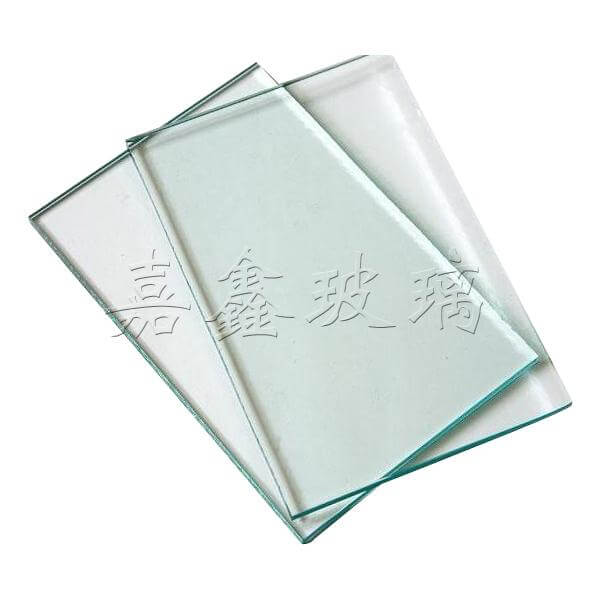
Please provide the Chinese text that you would like me to translate into English.As a key material for energy-efficient buildings, LOW-E glass has seen its technological development evolve from single-silver to double-silver and triple-silver iterations, with continuous improvements in performance metrics. Jiangyin Jiaxin Glass Products has established significant technological advantages in the LOW-E glass sector by introducing advanced equipment, optimizing production processes, and enhancing quality control. Its products are widely used in commercial complexes, super high-rise buildings, and public facilities. Looking ahead, with the advancement of the "dual carbon" goals, LOW-E glass will move towards higher light transmittance, lower U-values, and greater intelligence, providing core support for the green transformation of the construction industry. For more information, please visit the official website:www.jiaxinglass.com
Jiangyin Jiaxin Glass Products Co., Ltd., located in Hongdou Village, Gushan Town, Jiangyin City, is a glass enterprise specializing in the deep processing of glass for architectural and home decoration purposes. Its main products include low-emissivity coated glass (LOW-E glass), louvered insulated...
No. 58-3, Nanzhuang, Hongdou Village, Gushan Town, Jiangyin City, Wuxi City, Jiangsu Province