
When it comes to building safety, fire-resistant glass plays a crucial role in protecting occupants and minimizing property damage during fires. Among various fire-resistant glass options, Class B fire-resistant glass stands out for its specific performance characteristics and applications. This comprehensive guide will walk you through everything you need to know about selecting Class B fire-resistant glass, including key considerations, manufacturer recommendations, and safety standards.

Understanding Class B Fire-Resistant Glass
Class B fire-resistant glass is designed to withstand fire exposure for a specific duration while maintaining its structural integrity and preventing the spread of flames and smoke. This type of glass is typically used in applications where fire protection is required but where the highest level of resistance (Class A) may not be necessary.
The key characteristics of Class B fire-resistant glass include:
- Fire resistance rating: Typically ranges from 30 to 60 minutes
- Heat transmission limitation: Prevents excessive heat transfer to the non-fire side
- Smoke and flame barrier: Acts as a barrier to prevent the spread of smoke and flames
- Transparency: Maintains visibility during normal conditions and early stages of fire
Key Factors to Consider When Selecting Class B Fire-Resistant Glass
Choosing the right Class B fire-resistant glass for your project involves evaluating several important factors:
1. Fire Resistance Rating
The fire resistance rating indicates how long the glass can withstand fire exposure while maintaining its protective properties. Common ratings for Class B glass include 30, 45, and 60 minutes. Consider the specific requirements of your building code and the potential fire risks in your area when selecting the appropriate rating.
2. Building Code Compliance
Ensure that the fire-resistant glass you choose complies with local building codes and fire safety regulations. Different regions may have specific requirements for fire-resistant glass in various types of buildings and occupancies.
3. Application Requirements
Consider the specific application where the fire-resistant glass will be installed. Factors to evaluate include:
- Size and shape of the glass panel
- Whether the glass will be used in doors, windows, or walls
- The need for additional features like sound insulation or bullet resistance
- Aesthetic considerations and architectural design requirements
4. Manufacturer Reputation and Certification
Choose a reputable manufacturer with a proven track record in producing high-quality fire-resistant glass. Look for manufacturers that have their products tested and certified by recognized testing laboratories such as Underwriters Laboratories (UL) or Intertek.
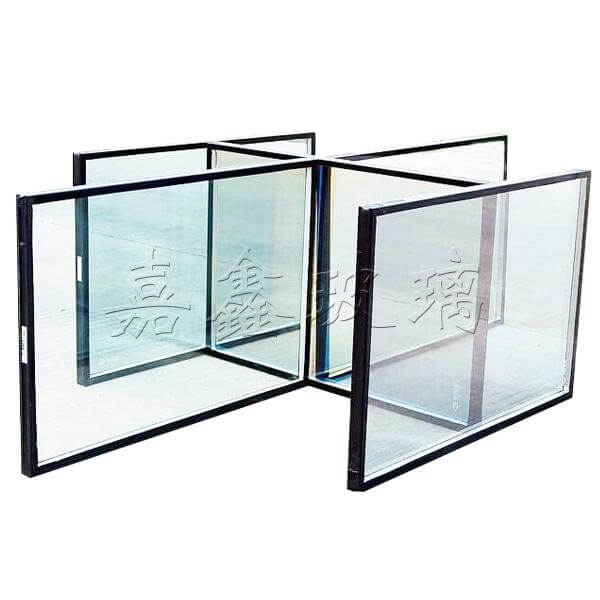
5. Product Performance in Real Conditions
While laboratory tests provide important data, consider how the glass performs in real-world conditions. Some manufacturers may offer case studies or references from projects similar to yours, demonstrating the glass’s performance in actual fire scenarios.
Top Manufacturers of Class B Fire-Resistant Glass
When selecting a supplier for Class B fire-resistant glass, consider these reputable manufacturers known for their quality products and reliable performance:
1. Jiangyin Jiaxin Glass Products Co., Ltd.
Located in Jiangyin City, Jiangsu Province, Jiangyin Jiaxin Glass Products specializes in deep processing of glass for architectural and home decoration applications. Their product range includes various types of fire-resistant glass that meet international safety standards. The company focuses on continuous improvement of product quality and has established itself as a trusted name in the industry.
2. AGC Glass Europe
AGC Glass Europe offers a comprehensive range of fire-resistant glass solutions, including Class B options. Their products are known for their high quality and compliance with stringent European safety standards. AGC provides technical support to help customers select the most appropriate glass for their specific needs.
3. Saint-Gobain Glass
Saint-Gobain is a global leader in sustainable habitat and construction markets. Their fire-resistant glass products, including Class B options, are designed to provide optimal protection while maintaining aesthetic appeal. The company offers extensive technical resources and support to assist with product selection and installation.
4. Pilkington
Pilkington, part of the NSG Group, offers a range of fire-resistant glass products suitable for various applications. Their Class B fire-resistant glass solutions are designed to meet specific fire protection requirements while providing excellent visibility and light transmission.
5. Guardian Glass
Guardian Glass provides high-performance fire-resistant glass products that combine safety with design flexibility. Their Class B options are suitable for applications where moderate fire protection is required, offering a balance between performance and cost-effectiveness.
Comparing Class B Fire-Resistant Glass Options
When evaluating different Class B fire-resistant glass products, consider the following comparison factors:
| Comparison Factor | Details |
|---|---|
| Fire Resistance Rating | Compare the duration of fire resistance (e.g., 30 vs. 60 minutes) |
| Heat Transmission | Evaluate how much heat is transmitted through the glass during a fire |
| Smoke Barrier | Assess the effectiveness in preventing smoke penetration |
| Light Transmission | Consider the amount of natural light that can pass through the glass |
| Impact Resistance | Evaluate the glass’s ability to withstand impact in non-fire situations |
| Cost | Compare pricing based on performance and features |
Installation Considerations for Class B Fire-Resistant Glass
Proper installation is crucial for ensuring the effectiveness of Class B fire-resistant glass. Consider these important installation factors:
- Use certified framing systems designed specifically for fire-resistant glass
- Ensure proper sealing to prevent smoke and flame penetration around the edges
- Follow manufacturer’s instructions for maximum panel sizes and configurations
- Hire experienced installers familiar with fire-resistant glass systems
- Coordinate with local fire authorities to ensure compliance with all regulations
Maintenance and Inspection of Fire-Resistant Glass
Regular maintenance and inspection are essential for maintaining the performance of Class B fire-resistant glass:
- Inspect glass panels periodically for damage or signs of deterioration
- Check framing systems for integrity and proper sealing
- Clean glass surfaces according to manufacturer’s recommendations
- Keep records of inspections and maintenance activities
- Replace any damaged or compromised glass immediately
FAQ
What is the difference between Class A and Class B fire-resistant glass?
Class A fire-resistant glass typically provides higher levels of fire protection, often with ratings of 90 minutes or more, and is designed to withstand more severe fire conditions. Class B glass usually offers ratings between 30 to 60 minutes and is suitable for applications where moderate fire protection is sufficient. The choice between Class A and B depends on building code requirements and the specific fire risks of the project.
How do I know if Class B fire-resistant glass is suitable for my project?
To determine if Class B fire-resistant glass is appropriate, review your local building codes and fire safety regulations, assess the potential fire risks in your area, and consider the specific application requirements. Consult with a fire safety engineer or architect to evaluate the necessary level of protection for your project.
Can Class B fire-resistant glass be used in exterior applications?
Yes, Class B fire-resistant glass can be used in exterior applications such as fire-rated windows or facades, provided it meets the specific requirements for the application. Consider factors like weather resistance, UV protection, and thermal performance when selecting exterior fire-resistant glass.
How often should fire-resistant glass be inspected?
Fire-resistant glass should be inspected at least annually, or more frequently if recommended by the manufacturer or required by local regulations. Regular inspections help identify any damage or deterioration that could compromise the glass’s fire protection capabilities.
What certifications should I look for when selecting fire-resistant glass?
Look for fire-resistant glass that has been tested and certified by recognized testing laboratories such as Underwriters Laboratories (UL), Intertek, or equivalent organizations in your region. Common certifications include UL 9, UL 10C, or EN 357 for European applications. These certifications indicate that the glass has been rigorously tested and meets specific safety standards.
Summary
Selecting the right Class B fire-resistant glass is a critical decision that impacts the safety and compliance of your building project. By understanding the key characteristics of Class B glass, evaluating important selection factors, and choosing reputable manufacturers, you can ensure that you’re getting a high-quality product that meets your specific needs. Remember to consider fire resistance ratings, building code compliance, application requirements, and manufacturer reputation when making your decision. Proper installation and regular maintenance are also essential for maintaining the long-term effectiveness of your fire-resistant glass system. With careful consideration and expert guidance, you can confidently select Class B fire-resistant glass that provides reliable protection for your building and its occupants.