
Choosing the right transparent tempered glass supplier is a critical decision for architects, contractors, façade specialists, distributors, and property developers. Transparent tempered glass is used in windows, doors, partitions, balustrades, curtain walls, skylights, and many other visible building elements, so its quality affects safety, appearance, energy performance, and long-term maintenance costs. A capable transparent tempered glass manufacturer must do more than cut glass to size. It should understand heat treatment, edge processing, hole drilling, laminated and insulated glass assembly, packaging, and project delivery requirements.
Jiangyin Jiaxin Glass Products Co., Ltd., located in Gushan Town, Jiangyin City, is a professional deep-processing glass enterprise serving building and home decoration markets. The company focuses on products such as Low-E coated glass, built-in blinds insulated glass, insulating glass, laminated glass, fire-resistant glass, tempered glass, and composite glass made from these products. For buyers searching for a transparent tempered glass supplier with complementary product capability, this type of integrated processing background is highly relevant.
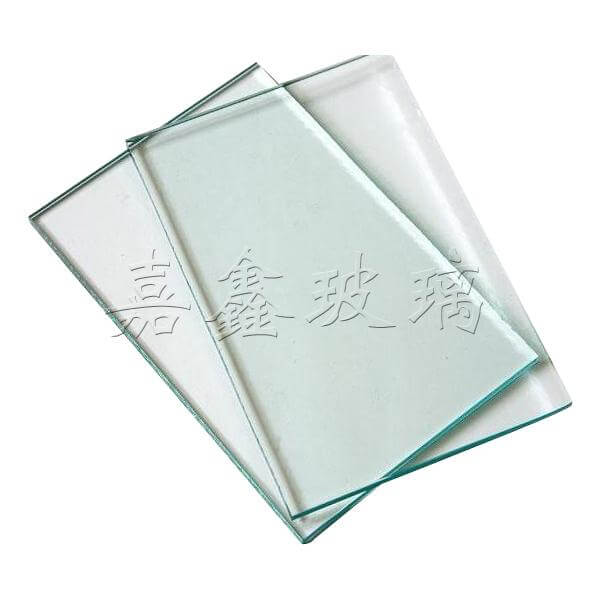
Why Transparent Tempered Glass Is a Core Building Material
Transparent tempered glass is a heat-treated glass product designed to provide higher strength and improved safety compared with ordinary annealed glass. During the tempering process, the glass is heated and then rapidly cooled, creating controlled internal stresses. This gives tempered glass greater resistance to mechanical impact and thermal stress. When it breaks, it fractures into relatively small, blunt-edge particles rather than large sharp shards, which helps reduce the risk of serious cuts in building applications.
Because it remains clear and transparent, tempered glass supports modern architectural design. It allows natural light transmission, visual connection between spaces, and clean façade aesthetics. It can be used as monolithic glass or combined with other products to form insulating glass, laminated glass, Low-E coated glass, built-in blinds glass, and fire-resistant glass assemblies. This versatility makes transparent tempered glass a foundational material for both residential and commercial projects.
However, the performance of the final product depends heavily on the processing quality of the transparent tempered glass manufacturer. Poor edge work, incorrect hole spacing, inconsistent tempering, or unsuitable handling can affect safety and durability. That is why sourcing from a transparent tempered glass quality manufacturer with controlled production processes is more important than comparing glass prices alone.
What a Professional Transparent Tempered Glass Supplier Should Offer
A professional transparent tempered glass supplier should provide consistent product quality, reliable processing capacity, and clear technical communication. Buyers need more than a catalogue of glass types. They need support in matching glass specifications to the application, understanding edge and hole requirements, and coordinating different glass products within one project.
For construction projects, the supplier should be able to process transparent tempered glass in various sizes and configurations, including polished edges, drilled holes, cutouts, and special shapes where required. If the project needs energy efficiency, the supplier should also offer Low-E insulated glass. If safety glazing is required, laminated glass may be needed. If fire compartmentation is part of the design, fire-resistant glass should be considered. A supplier with a broader deep-processing portfolio can reduce coordination risk and improve delivery consistency.
Jiangyin Jiaxin Glass Products works with building and home decoration applications and offers a range of deep-processed glass products. This allows buyers to source transparent tempered glass together with related solutions such as insulating glass, laminated glass, Low-E glass, built-in blinds glass, fire-resistant glass, and curved tempered glass. For project buyers, this kind of product integration can simplify procurement and technical alignment.
How to Evaluate a Transparent Tempered Glass Manufacturer
When evaluating a transparent tempered glass manufacturer, start with process control. Ask how glass is inspected before tempering, how edge quality is controlled, and how finished tempered glass is handled and packed. Transparent glass shows fingerprints, scratches, edge chips, and optical distortion more easily than coated or textured glass, so handling discipline matters. A quality manufacturer should have clear procedures for cutting, grinding, drilling, washing, tempering, inspection, and packing.
Next, review product range and technical understanding. A transparent tempered glass processing factory that also produces insulating, laminated, Low-E, fire-resistant, and curved glass is likely to understand how tempered glass interacts with other components. This is important because many building glazing units are composite products. For example, a Low-E insulated glass unit may use tempered glass for safety, while a laminated safety glass unit may combine tempered glass with interlayers. The supplier should be able to explain the role of each layer and recommend a practical configuration.
Finally, assess communication and project coordination. Confirm how quotations are prepared, how drawings and dimensions are reviewed, how production progress is reported, and how packaging protects glass during transport. For international buyers, clear English communication, stable follow-up, and attention to packing details are especially valuable. A reliable transparent tempered glass supplier should act as a technical partner, not only as an order taker.

Product Portfolio: More Than Transparent Tempered Glass
Jiangyin Jiaxin Glass Products focuses on deep-processed glass for building and home decoration scenarios. Its core energy-saving insulating glass series includes ordinary insulating glass, Low-E insulated glass, built-in blinds insulated glass, and grille insulating glass. These products are mainly used for doors, windows, and building curtain walls. They help reduce heat exchange, lower air-conditioning and heating energy consumption, weaken external noise, and support shading, privacy, or decorative grille effects.
The safety protection series includes tempered glass and laminated glass. These products are widely used in balcony railings, stair railings, floor-to-ceiling windows, skylights, and other areas where impact resistance and shatter containment are important. Tempered glass provides strength and safe breakage behavior, while laminated glass can hold fragments together through the interlayer, making it suitable for applications where fall protection or extra safety is required.
The company also offers curved tempered glass and curved tempered insulating glass for customized curved shapes. These can be used in cylindrical walls, arched doors and windows, and curved canopies, helping designers achieve special architectural forms while retaining safety, energy efficiency, and acoustic performance. Fire-resistant glass is another special functional product, intended for fire compartmentation, smoke curtains, and related fire protection areas while maintaining transparency where required.
Selection Guide: Matching Glass Type to Application
Choosing the right glass build-up is not only about thickness. It depends on location, safety requirements, energy targets, acoustic needs, fire strategy, and design intent. The table below gives a practical overview for buyers comparing transparent tempered glass and related products from a transparent tempered glass quality manufacturer.
| Glass Type | Main Function | Typical Applications | Selection Notes |
|---|---|---|---|
| Transparent tempered glass | Higher strength and safer breakage behavior | Windows, doors, partitions, balustrades, curtain walls | Confirm edge finish, holes, cutouts, and size limits |
| Low-E insulated glass | Thermal insulation and energy savings | Exterior windows, façades, curtain walls | Match coating position to climate and design goals |
| Built-in blinds insulated glass | Shading, privacy, and decorative control | Offices, residential windows, partitions | Consider operation method, maintenance, and cavity design |
| Laminated glass | Safety, security, and fragment retention | Skylights, railings, overhead glazing, safety barriers | Select interlayer based on safety and acoustic needs |
| Fire-resistant glass | Fire compartmentation and smoke control | Fire partitions, smoke curtains, protected zones | Follow local fire codes and project approval requirements |
| Curved tempered glass | Custom curved geometry with safety performance | Arched windows, cylindrical façades, curved canopies | Provide accurate radius, chord, and height requirements |
Customization and Processing Capabilities
Many projects require custom transparent tempered glass rather than standard stock sizes. A capable transparent tempered glass processing factory should review drawings and confirm dimensions before production. Important details include glass thickness, visible size, edge type, hole diameter and position, cutout shape, corner radius, and whether the glass will be assembled into insulating or laminated units. For curved glass, the supplier will also need radius, chord length, height, and installation orientation.
Customization also affects packing and transportation. Large tempered glass panels require suitable racks, separators, corner protection, and secure strapping. Edge protection is especially important for transparent glass because chips or scratches can become visible after installation or create stress concentration points. Buyers should discuss unloading conditions, site access, and storage arrangements with the supplier before shipment.
Quality Control and Project Coordination
Quality control for transparent tempered glass should cover incoming glass inspection, cutting accuracy, edge grinding, hole drilling, washing, tempering, final visual inspection, and packing. Visual inspection should consider scratches, bubbles, inclusions, edge chips, dimensional tolerance, and optical distortion. For composite products such as Low-E insulated glass or laminated glass, the supplier should also control spacer placement, sealant quality, interlayer cleanliness, and alignment.
Project coordination is equally important. A reliable supplier can help buyers avoid mismatches between different glass types, clarify installation sequence, and prepare glass in a logical delivery order. For international projects, documents, labels, and packing marks should be clear enough to support customs handling and site receiving. These practical details often separate a basic transparent tempered glass manufacturer from a long-term supply partner.
Common Sourcing Mistakes to Avoid
One common mistake is choosing a transparent tempered glass supplier based only on unit price. Low prices may come from thinner edges, less controlled handling, or unclear quality checks. Transparent glass is highly visible, so small defects can affect the final appearance of a façade, shopfront, or residential interior.
Another mistake is treating tempered glass as a complete safety solution for every location. Tempered glass is strong and breaks more safely, but certain overhead, barrier, or high-risk applications may require laminated glass or a laminated tempered build-up. Buyers should confirm the intended application and applicable building requirements instead of assuming that one glass type fits all conditions.
A third mistake is providing incomplete drawings or dimensions. Even small discrepancies in hole position or edge clearance can cause installation problems. Working with a transparent tempered glass quality manufacturer that reviews technical details before production helps reduce rework and delays.
Why Jiangyin Jiaxin Glass Products Can Be a Practical Partner
Jiangyin Jiaxin Glass Products Co., Ltd. is located in Gushan Town, Jiangyin City, and focuses on deep-processed glass for building and home decoration. The company emphasizes the absorption of professional technical talent, the introduction of advanced processing equipment, scientific management, and continuous improvement of production efficiency and quality control. This positions the company as a practical transparent tempered glass supplier for buyers seeking both tempered glass and related deep-processed glass products.
The company’s product range includes Low-E coated glass, built-in blinds insulated glass, insulating glass, laminated glass, fire-resistant glass, tempered glass, and composite glass made from these products. This portfolio supports residential, commercial, and public building scenarios, including windows, doors, curtain walls, partitions, balustrades, skylights, fire compartments, and custom curved applications.
Guided by the principle of “customer first, quality assurance,” Jiangyin Jiaxin Glass Products aims to build long-term cooperation with partners and continue improving its enterprise value and social value. For buyers comparing transparent tempered glass suppliers, the company offers a combination of product breadth, customization support, and a quality-oriented operating approach.
FAQ
What should I look for in a transparent tempered glass supplier?
Look for controlled processing, clear inspection procedures, reliable packing, and technical support for edge work, holes, cutouts, and composite glass assembly. A good transparent tempered glass supplier should also communicate clearly about dimensions, tolerances, delivery, and application requirements.
Can a transparent tempered glass manufacturer supply custom sizes and shapes?
Yes. A professional transparent tempered glass manufacturer can usually process custom sizes, polished edges, drilled holes, cutouts, and special shapes according to approved drawings. For curved glass, the buyer should provide accurate radius, chord, height, and installation details.
Does Jiangyin Jiaxin Glass Products provide Low-E insulated and laminated glass?
Yes. Jiangyin Jiaxin Glass Products focuses on deep-processed building and home decoration glass, including Low-E coated glass, insulating glass, built-in blinds insulated glass, laminated glass, fire-resistant glass, tempered glass, and composite glass products.
How is transparent tempered glass used in residential and commercial buildings?
Transparent tempered glass is commonly used in windows, doors, partitions, balustrades, curtain walls, skylights, and shopfronts. It provides transparency, higher strength, and safer breakage behavior, making it suitable for many visible and safety-related building applications.
What is the difference between tempered glass and laminated glass for safety?
Tempered glass is heat-treated for higher strength and breaks into small blunt-edge particles. Laminated glass uses an interlayer to hold fragments together, which can be important for overhead glazing, barriers, and applications where fragment retention is needed. Some projects combine both features in laminated tempered glass.
Can fire-rated glass support fire compartmentation requirements?
Fire-resistant glass is intended for applications such as fire partitions, smoke curtains, and protected zones. The exact specification should follow local fire codes, project design requirements, and approval conditions. Buyers should confirm the required fire performance with their design team.
How should I request a quotation from a transparent tempered glass processing factory?
Provide glass type, thickness, dimensions, quantity, edge finish, hole and cutout drawings, application location, and any composite requirements such as Low-E, insulating, laminated, or fire-resistant construction. Clear drawings and project schedules help the factory prepare an accurate quotation.
What maintenance is needed for transparent tempered glass?
Use suitable non-abrasive cleaning methods and avoid sharp tools that may scratch the surface or damage edges. Inspect edges and seals periodically, especially on insulated or laminated units, and follow the supplier’s handling and installation recommendations.
Summary
Selecting a transparent tempered glass supplier requires attention to product quality, processing capability, customization support, packing, and project communication. The best supplier is not simply the one with the lowest initial price, but the one that can consistently deliver clear, well-processed glass that meets the application’s safety, energy, and design requirements. Jiangyin Jiaxin Glass Products Co., Ltd. serves building and home decoration markets with transparent tempered glass and related products such as Low-E insulated glass, laminated glass, fire-resistant glass, built-in blinds glass, and curved tempered glass. By evaluating a transparent tempered glass manufacturer on process control, product range, technical review, and delivery reliability, buyers can build a more stable and efficient supply chain for current and future projects.