
When it comes to architectural glass solutions, flat tempered glass stands as a cornerstone of modern building design. As a professional glass processor serving both residential and commercial projects worldwide, Jiangyin Jiaxin Glass understands the critical importance of selecting the right tempered glass products. This comprehensive guide explores everything you need to know about flat tempered glass – from quality standards and product types to supplier selection criteria and application scenarios.
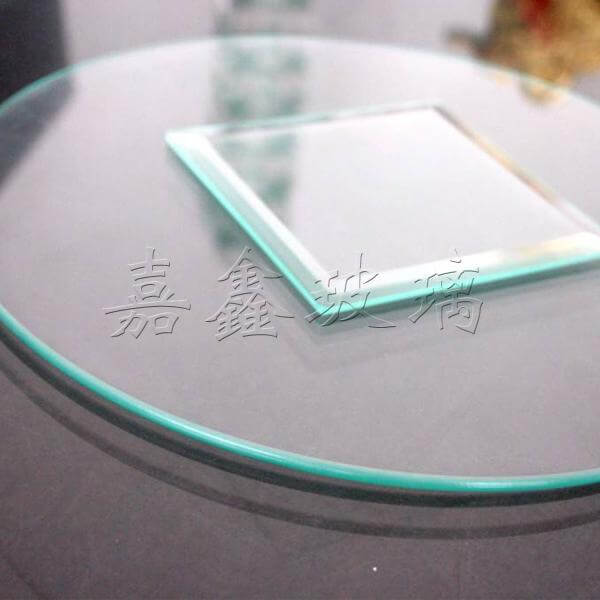
Understanding Flat Tempered Glass Quality Standards
The quality of flat tempered glass directly impacts building safety, energy efficiency, and aesthetic appeal. At Jiangyin Jiaxin Glass, we adhere to stringent international standards including EN 12150 (European standard for thermally toughened soda lime silicate safety glass) and ASTM C1048 (American standard for heat-treated flat glass). These standards ensure our products meet critical performance metrics:
- Surface compression: Minimum 95 MPa for proper tempering strength
- Edge strength: Special processing to prevent edge chipping and breakage
- Flatness tolerance: ±0.3% for optimal installation and visual appearance
- Thermal stability: Withstands temperature differentials up to 250°C
- Impact resistance: 4-5 times stronger than annealed glass of same thickness
Our quality control system implements 12 inspection points throughout production, from raw material verification to final product testing. Each batch undergoes stress pattern analysis, fragmentation testing, and dimensional checks before shipment. This rigorous approach has earned us ISO 9001:2015 certification and consistent positive feedback from international clients.
Types of Flat Tempered Glass Products
As a comprehensive glass processor, we offer six primary categories of flat tempered glass solutions, each engineered for specific performance requirements:
1. Low-E Tempered Glass (Energy Efficient)
Our low-emissivity (Low-E) tempered glass features microscopic metal oxide coatings that reflect infrared heat while allowing visible light transmission. This creates exceptional thermal insulation performance with U-values as low as 1.1 W/m²K when used in double-glazing units. The hard coating technology ensures durability during processing and installation.
2. Laminated Tempered Glass (Safety Enhanced)
Combining tempered glass with one or more PVB interlayers creates our laminated safety glass. This construction maintains glass integrity even when broken, with interlayers bonding shattered fragments together. We offer thicknesses from 6.38mm to 38.76mm with options for acoustic PVB, colored interlayers, and SGP sensor films.

3. Fire-Resistant Tempered Glass
Our fire-rated glass solutions meet EN 13501 and ASTM E119 standards, providing integrity and insulation ratings from EI 30 to EI 120. The specially formulated intumescent interlayers expand when exposed to heat, creating an insulating barrier that maintains transparency during fire events. These products are essential for fire compartments, escape routes, and atrium enclosures.
4. Curved Tempered Glass
For architectural features requiring organic shapes, our bent tempered glass maintains all safety properties of flat tempered glass while achieving radii as tight as 500mm. The proprietary bending process ensures consistent thickness and optical clarity across the entire surface, making it ideal for canopies, balustrades, and facade elements.
5. Custom Patterned Tempered Glass
Our patterned glass range combines tempering with decorative textures like frosted, reeded, or fluted designs. The tempering process enhances the durability of these patterns while maintaining light diffusion properties. Custom patterns can be developed through digital ceramic printing or acid etching techniques.
6. Solar Control Tempered Glass
For buildings in hot climates, our solar control tempered glass incorporates advanced coatings that reflect up to 80% of solar radiation. This reduces cooling loads by 30-50% while maintaining high visible light transmission. The neutral color appearance ensures architectural harmony without the blue tint common in older solar control technologies.
Selecting the Right Flat Tempered Glass Supplier
Choosing a tempered glass supplier requires careful evaluation of multiple factors beyond just product specifications. Based on our experience serving international clients, these are the most critical selection criteria:
| Evaluation Factor | Key Considerations |
|---|---|
| Production Capacity | Daily output capacity, number of tempering furnaces, maximum glass size handling |
| Equipment Technology | Furnace brand (e.g., Bottero, North Glass), heating system type, cooling system precision |
| Quality Certifications | ISO certifications, product testing reports, compliance with target market standards |
| Customization Ability | Minimum order quantities, design flexibility, prototyping capabilities |
| Logistics Network | Export experience, packaging standards, shipping partnerships, customs clearance support |
| After-Sales Service | Warranty terms, replacement procedures, technical support availability |
At Jiangyin Jiaxin Glass, we invest continuously in equipment upgrades and staff training to maintain our position as a leading tempered glass supplier. Our 30,000m² factory houses three advanced tempering lines capable of processing glass up to 3,300×6,000mm with thicknesses from 3mm to 25mm. This capacity allows us to fulfill orders ranging from single custom pieces to large-scale commercial projects with consistent quality.
Common Applications of Flat Tempered Glass
The versatility of tempered glass makes it essential for numerous architectural applications:
- Exterior Facades: As curtain wall infill panels or structural glass elements
- Windows & Doors: For impact resistance and thermal performance
- Balustrades: Both interior and exterior safety barriers
- Skylights: Providing natural light with enhanced safety
- Interior Partitions: Creating open yet defined spaces
- Furniture: Table tops, shelving, and display units
- Automotive: Windshields and side windows (with additional processing)
Our project portfolio includes diverse applications such as the 12,000m² glass facade of Dubai’s Al Wasl Plaza, where our low-E tempered glass contributed to the building’s LEED Platinum certification. In residential projects, our laminated tempered glass balustrades have enhanced safety in over 500 luxury villas across Southeast Asia.
FAQ
What makes tempered glass stronger than regular glass?
Tempered glass undergoes controlled heating to nearly 700°C followed by rapid cooling with high-pressure air blasts. This process creates surface compression stresses of 95-120 MPa and internal tension stresses, making it 4-5 times stronger than annealed glass of the same thickness. The compression layer resists surface damage while the internal tension causes the glass to crumble into small, blunt pieces when broken.
How do I identify high-quality tempered glass?
Quality tempered glass should have: 1) Consistent edge finish without chips or cracks, 2) Uniform stress pattern visible under polarized light, 3) Proper certification marks (e.g., CE, TÜV), 4) Clear labeling with manufacturer information, and 5) Consistent thickness across the entire pane. Always request test reports verifying compliance with relevant standards like EN 12150 or ASTM C1048.
Can tempered glass be cut or modified after processing?
No, tempered glass cannot be cut, drilled, or edge-worked after tempering. All shaping and hole drilling must be completed during the annealed stage before tempering. Attempting to modify tempered glass will cause it to shatter due to the built-in surface compression stresses. Always provide precise dimensions and hole patterns to your supplier before production begins.
What is the difference between tempered and laminated glass?
Tempered glass is strengthened through thermal treatment and breaks into small pieces when damaged, while laminated glass consists of two or more glass layers bonded with an interlayer that maintains structural integrity when broken. Tempered glass offers superior strength and thermal resistance, whereas laminated glass provides better post-breakage safety and sound insulation. Many projects use both types together for optimal performance.
Summary
Selecting the right flat tempered glass requires understanding quality standards, product types, and supplier capabilities. Jiangyin Jiaxin Glass combines advanced manufacturing technology with rigorous quality control to deliver tempered glass solutions that meet the most demanding architectural requirements. From energy-efficient low-E coatings to fire-resistant constructions, our comprehensive product range supports projects of any scale and complexity. With over 15 years of experience serving international clients, we maintain the technical expertise and production capacity to transform your glass specifications into reality.