
Fire-rated glass for doors and windows is an essential safety material in modern construction. It helps protect building occupants, supports fire compartmentation, and allows daylight and visibility to remain part of the design. For architects, contractors, distributors, and project buyers, choosing the right fire-rated glass supplier is just as important as choosing the right glass product. Jiangyin Jiaxin Glass Products Co., Ltd. is a professional deep-processing glass manufacturer based in Gushan Town, Jiangyin, serving construction and home decoration markets with products such as Low-E coated glass, built-in blind insulated glass, insulated glass, laminated glass, fire-rated glass, tempered glass, and composite glass. This guide explains how fire-rated glass for doors and windows works, where it is used, and what to consider when selecting a reliable supplier.
Understanding Fire-Rated Glass for Doors and Windows
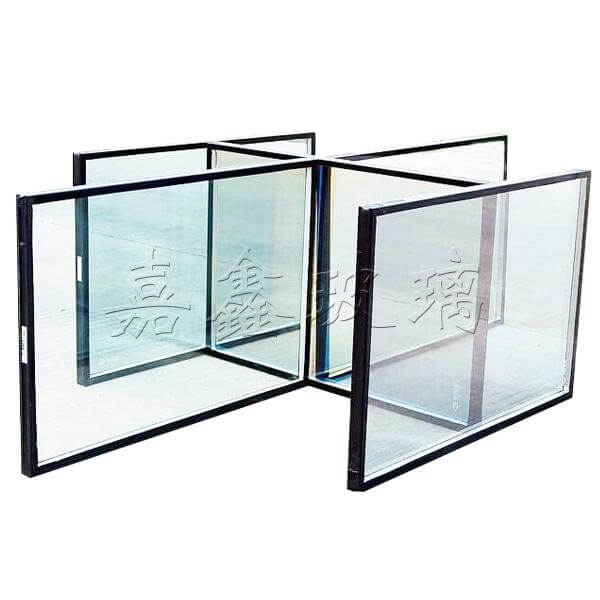
Fire-rated glass, often searched as fireproof glass for windows and doors, is a specially designed glazing product that resists fire exposure and helps limit the spread of flames, smoke, and heat. It is commonly used in fire doors, fire windows, corridor glazing, stairwell enclosures, and fire partitions. Unlike ordinary glass, fire-rated glass is manufactured and assembled with materials and interlayers that are intended to maintain integrity or provide insulation during a fire, depending on the product type and project requirements.
Fire-rated glass is usually described in terms of fire resistance duration, such as 30, 60, 90, or 120 minutes. These ratings are part of the broader fire safety framework used in many markets, but the exact requirement depends on local building codes, the building type, the location of the glazing, and the fire strategy of the project. Buyers should always confirm the required rating, test standard, and documentation with the project’s fire consultant or authority having jurisdiction. A responsible fire-rated glass supplier will ask about these details before recommending a glass build-up.
For doors and windows, fire-rated glass must work as part of a complete system. The glass alone is not enough. The frame, seals, hardware, installation method, and clearances all affect performance. This is why fire-rated glass for doors and windows should be specified as a system, not as a loose pane. Jiaxin Glass focuses on deep-processing capabilities and can discuss glass thickness, edge treatment, lamination, insulation, coating, and size requirements with project teams so that the glazing fits the intended door or window system.
Why Fire-Rated Glass Is Important in Modern Construction
Life Safety and Fire Compartmentation
The primary purpose of fire-rated glass is life safety. In a fire, clear compartmentation can slow the spread of flames and smoke, giving occupants more time to evacuate and giving emergency responders more time to control the situation. Fire-rated glazing in doors, windows, and partitions helps maintain the fire separation that building codes require while preserving visibility between spaces. This is especially valuable in corridors, stairwells, lobbies, and public buildings where people need to see exit routes and emergency signage.
Daylight, Visibility, and Design Flexibility
Modern architecture often uses large glass areas to create open, bright spaces. Fire-rated glass allows designers to meet fire safety goals without turning a building into a solid, windowless structure. Fire-rated glass doors and windows can keep visual connections between rooms, support natural light, and maintain a sense of openness. For commercial buildings, retail spaces, schools, hospitals, and public venues, this balance between safety and design is a major reason fire-rated glazing is specified.
Thermal and Acoustic Benefits When Combined with Insulated Glass
Fire-rated glass can also contribute to thermal and acoustic performance when it is combined with insulated glass technology. Insulated fire-rated glass units can help reduce heat transfer and outside noise while providing the required fire performance. In projects where energy efficiency and occupant comfort are important, buyers may ask for fire-rated glass for doors and windows that also offers Low-E coating, argon filling, or acoustic lamination, depending on what the complete system can support. Jiaxin Glass offers Low-E glass, insulated glass, laminated glass, and composite glass, and can discuss suitable combinations for project-specific needs.
Main Types of Fire-Rated Glass for Doors and Windows
There are several product approaches for fire-rated glazing. The right choice depends on the required fire rating, whether insulation is needed, the size of the opening, the framing system, and the desired appearance. The table below summarizes common categories in general terms. Project teams should always verify the final specification against local codes and manufacturer documentation.
| Type | Typical Construction | Key Characteristics | Suitable Applications |
|---|---|---|---|
| Fire-rated tempered glass | Single-pane heat-treated glass with fire-rated framing | Good strength and optical clarity; used where integrity performance is the main focus | Fire door vision panels, interior fire windows, selected partition glazing |
| Laminated fire-rated glass | Glass with intumescent interlayer and lamination | Helps hold glass together, reduces fragment risk, can provide insulation depending on build-up | Fire-rated doors, corridors, stairwells, fire partitions |
| Insulated fire-rated glass | Multi-pane unit with fire-rated components and sealed cavity | Combines fire performance with thermal and acoustic benefits | Exterior fire windows, façade glazing, energy-conscious buildings |
| Low-E fire-rated glass | Fire-rated glass with Low-E coating in a compatible system | Solar control and thermal insulation where the system allows | Commercial windows, curtain wall sections, temperature-controlled spaces |
Each type has limits. A single-pane fire-rated product may provide integrity but not the same insulation as a laminated or insulated fire-rated build-up. A multi-pane fire-rated unit may offer better thermal performance but can be heavier and require a deeper frame. Buyers should not compare products only by price per square meter. They should compare the full system, including glass build-up, framing, installation requirements, documentation, and expected service life.
For projects that need fire-rated glass for doors and windows plus acoustic control, solar control, or decorative effects, the specification becomes more complex. Jiaxin Glass’s product range includes tempered, laminated, insulated, Low-E, built-in blind, and curved glass options. The company can discuss glass combinations with project teams, but final fire performance must always be confirmed for the complete system and application.
Key Features of Jiaxin Fire-Rated Glass for Doors and Windows
Jiangyin Jiaxin Glass Products Co., Ltd. is located in Gushan Town, Jiangyin, and specializes in deep-processed glass for construction and home decoration. The company’s product portfolio includes Low-E coated glass, built-in blind insulated glass, insulated glass, laminated glass, fire-rated glass, tempered glass, and composite glass. This breadth allows Jiaxin to support projects that need more than a single standard product.
Jiaxin Glass emphasizes skilled technical talent, advanced processing equipment, and scientific management. These capabilities support consistent quality and efficient production. For fire-rated glass for doors and windows, deep-processing accuracy matters: edge quality, dimensional tolerance, lamination quality, and coating performance all affect the final result. Jiaxin’s focus on production efficiency and management improvement helps the company respond to project requirements and maintain product quality.
The company’s stated principle is “customer first, quality assurance.” In practice, this means working closely with buyers to understand the intended application and providing product information needed for specification. Whether a customer is a glazing contractor, facade company, distributor, or building owner, the conversation should start with the fire rating, opening size, frame type, and local code requirements. From there, Jiaxin can discuss suitable glass options and customization needs.

Applications of Fire-Rated Glass in Doors and Windows
Commercial Buildings and Office Towers
Commercial buildings often use fire-rated glass for doors and windows to protect corridors, lobbies, stairwells, and tenant separation areas. Fire-rated glass partitions can maintain visual openness while supporting fire compartmentation. In office towers, glass fire doors with vision panels are common because they allow light to pass through and help people see emergency exits. Fire-rated windows may also be used where a building facade or interior wall requires a fire separation.
Public Buildings and Transportation Hubs
Airports, railway stations, hospitals, schools, libraries, and sports venues have high occupant loads and complex evacuation requirements. Fire-rated glazing helps maintain clear sightlines and safe egress routes. Fire-rated glass for doors and windows can be used in entrance areas, corridor systems, stair enclosures, and fire-rated partitions. Because public spaces often value transparency, fire-rated glass allows safety requirements to be met without blocking daylight or creating dark, enclosed corridors.
Residential and Mixed-Use Projects
In residential and mixed-use buildings, fire-rated glass may be required for certain doors, windows, and separation walls, especially in stairwells, shared corridors, and garage-to-building connections. Homeowners and developers also value fire-rated glass for its ability to combine safety with modern appearance. Where privacy or solar control is needed, built-in blind insulated glass or Low-E options may be considered, provided the complete glazing system is suitable for the fire-rated application.
Industrial and Special-Purpose Facilities
Industrial buildings, workshops, laboratories, and storage facilities may use fire-rated glass in control rooms, corridors, and fire separation walls. In these environments, glass may need to resist impact or support acoustic separation in addition to fire performance. Laminated fire-rated glass and insulated fire-rated glass can be evaluated for such needs, but the final selection must be based on the project’s fire strategy and system design.
How to Choose a Reliable Fire-Rated Glass Supplier
Choosing a fire-rated glass supplier is a procurement decision with safety consequences. Buyers often search for where to buy fire-rated glass for doors and windows, but price alone should not drive the decision. A reliable supplier should understand fire-rated glazing as a system, provide clear product information, and communicate openly about limitations. The following checklist can help buyers compare suppliers.
- Product range and experience: Confirm that the supplier offers fire-rated glass and related deep-processing capabilities such as tempering, lamination, insulation, and coating.
- Technical communication: The supplier should ask about fire rating, opening size, frame type, installation conditions, and local code requirements before quoting.
- Customization capability: Check whether the supplier can handle non-standard sizes, thicknesses, edge treatments, and composite glass requirements.
- Quality management: Look for consistent production control, material traceability, and clear inspection processes.
- Documentation support: Ask what product information and test documentation can be provided for the project’s approval process.
- Quotation clarity: A good fire-rated glass quotation should clearly state the glass build-up, dimensions, quantity, packaging, and delivery terms.
- After-sales response: Confirm how the supplier handles technical questions, replacement issues, and installation coordination.
Jiangyin Jiaxin Glass Products Co., Ltd. works with construction and home decoration customers and can discuss fire-rated glass requirements alongside other product needs. Buyers who need fire-rated glass for doors and windows, fire-rated glass partitions, or composite glazing can contact Jiaxin with project details to request a quotation. The more information provided at the inquiry stage, the more accurate the recommendation and quotation will be.
Installation and Maintenance Tips for Fire-Rated Glass Doors and Windows
Correct installation is critical for fire-rated glass. Fire-rated doors and windows should be installed by qualified professionals using the specified framing, seals, hardware, and clearances. The glass must not be substituted with a non-rated product, and the frame must be compatible with the fire-rated glass system. During installation, workers should protect the glass edges, avoid excessive stress, and follow the manufacturer’s instructions. Any field modification that affects the glass, frame, or seals should be approved by the responsible technical professional.
Maintenance should include regular visual inspection of the glass, frame, seals, and hardware. Check for cracks, chips, edge damage, seal deterioration, or hardware loosening. Keep the glass clean using methods that do not damage coatings or seals. For insulated fire-rated glass, inspect the edge seal and desiccant condition as part of routine maintenance. For fire-rated doors, confirm that closers, latches, and panic hardware operate correctly. Records of inspection and maintenance help building owners demonstrate ongoing care and support fire safety management.
Building owners should also avoid hanging signs, artwork, or fixtures from fire-rated glass doors and windows unless the system is designed for such loads. Avoid applying films or coatings that are not approved for the fire-rated assembly. If a pane is damaged, replace it with a product that matches the original specification and fire rating. These simple practices help preserve the performance of fire-rated glass throughout the building’s service life.
Customization and Project Support from Jiaxin Glass
Every building project has its own dimensions, performance targets, and aesthetic requirements. Jiaxin Glass supports customization for deep-processed glass products, including different sizes, glass build-ups, coatings, and composite configurations. For fire-rated glass for doors and windows, customization may involve specific thicknesses, edge work, lamination, or insulated glass combinations. The company’s broader product range also includes curved tempered glass and curved insulated glass for special architectural designs, which can be relevant for projects with shaped openings or feature glazing.
Effective project support starts with clear communication. Buyers should provide drawings, opening schedules, fire rating requirements, frame details, and delivery timelines. Jiaxin can then review the requirements and discuss feasible glass options. For international buyers, it is helpful to confirm the applicable test standard, language for documentation, packaging requirements, and shipping terms at the quotation stage. This reduces misunderstandings and helps keep the project on schedule.
Jiaxin Glass continues to improve product quality and management as part of its long-term development. The company’s approach is to combine practical manufacturing experience with customer-focused service. For distributors and contractors looking for a fire-rated glass manufacturer in China, establishing a clear technical dialogue early is the best way to evaluate fit.
FAQ
What is fire-rated glass for doors and windows?
Fire-rated glass for doors and windows is glazing designed to resist fire exposure and help maintain fire separation in a building. It is used in fire doors, fire windows, corridors, stairwells, and partitions. The required performance depends on local codes and the project’s fire strategy. It should always be specified as part of a complete system with compatible framing and installation.
How do I choose the right fire-rated glass for a project?
Start with the required fire rating, the size of the opening, and the framing system. Confirm whether the project needs integrity only or both integrity and insulation. Then consider thermal, acoustic, and aesthetic requirements. Ask the supplier for product details and documentation, and verify the final specification with the project’s fire consultant or authority. Comparing complete systems is more reliable than comparing glass price alone.
Can fire-rated glass be used in both interior doors and exterior windows?
Yes, fire-rated glass can be used in interior doors and windows and in exterior window applications, provided the selected product and system are suitable for the location. Exterior applications may require insulated fire-rated glass to meet thermal performance needs. The frame, seals, and installation details must be appropriate for the exposure conditions and the required fire rating.
Does fire-rated glass also provide thermal insulation and sound reduction?
Some fire-rated glass products can provide thermal and acoustic benefits, especially insulated fire-rated glass units. However, performance varies by build-up. Buyers should request specific performance information for the proposed product and confirm that the complete system meets the project’s energy, acoustic, and fire requirements. Fire performance should never be assumed from thermal or acoustic data alone.
Can Jiaxin Glass customize fire-rated glass sizes and glass build-ups?
Jiangyin Jiaxin Glass Products Co., Ltd. provides deep-processed glass and can discuss customization requirements for fire-rated glass for doors and windows. Buyers should provide opening sizes, fire rating requirements, frame details, and project timelines. Jiaxin can then review feasible options and provide a quotation. Final fire performance must be confirmed for the complete system and intended application.
How should fire-rated glass doors and windows be maintained?
Inspect glass, frames, seals, and hardware regularly for damage or deterioration. Clean with methods that do not harm coatings or seals. Do not apply unauthorized films or attach loads to the glass. Replace damaged panes with products that match the original fire-rated specification. Keep maintenance records to support ongoing fire safety management.
Summary
Fire-rated glass for doors and windows is a safety-critical building product that must be selected, specified, and installed as a complete system. Understanding the difference between tempered, laminated, and insulated fire-rated glass is the first step. The next step is choosing a supplier that asks the right technical questions, provides clear product information, and supports customization. Jiangyin Jiaxin Glass Products Co., Ltd. offers fire-rated glass alongside tempered, laminated, insulated, Low-E, built-in blind, and curved glass products for construction and home decoration applications. By focusing on fire rating, frame compatibility, documentation, installation quality, and maintenance, buyers can make safer and more reliable procurement decisions. For project-specific requirements, contact Jiaxin Glass with your drawings and fire-rated glass specifications to request a detailed quotation.