
Fire-rated glass for doors and windows has become a critical specification in modern building design. It allows architects, contractors, and property owners to meet fire-safety requirements without sacrificing natural light, visual openness, or architectural aesthetics. However, the performance of fire-rated glazing depends not only on the glass itself but also on the manufacturing capability, quality control, and technical support of the fire-rated glass supplier. Choosing the right partner is therefore just as important as choosing the right product.
This selection guide explains the key factors to evaluate when sourcing fire-rated glass for doors and windows, compares common glass configurations, and outlines practical installation and maintenance considerations. It is written for builders, façade contractors, door and window manufacturers, project managers, and international buyers who need a reliable fireproof glass manufacturer for commercial, residential, and public building projects.
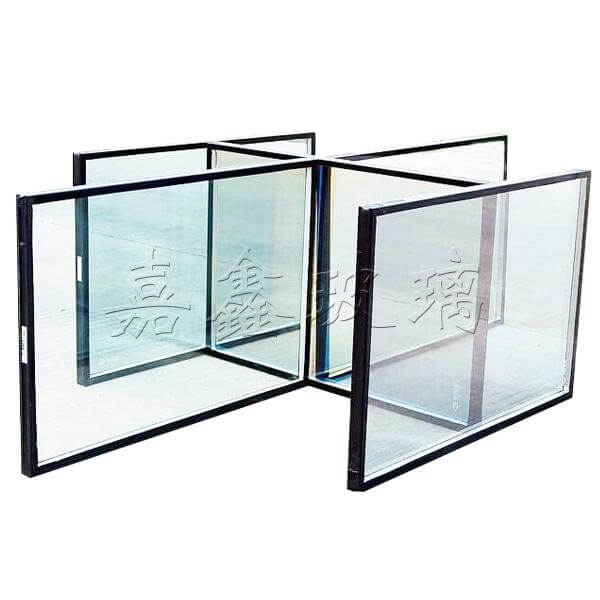
Why Fire-Rated Glass for Doors and Windows Matters in Modern Buildings
Fire-rated glass is designed to provide a barrier against flames, smoke, and heat for a specified period while maintaining visibility. In doors and windows, this combination is especially valuable. Unlike opaque fire barriers, fire-rated glazing supports daylighting, visual connection between spaces, and clear escape routes. In commercial buildings, fire-rated glass is frequently used in fire doors, fire windows, fire partitions, smoke barriers, and smoke curtains, helping to preserve the transparency of lobbies, corridors, stairwells, and atriums.
For residential and mixed-use projects, fire-rated glass for doors and windows can improve compartmentation without making interior spaces feel closed off. It is also useful in applications where building codes require fire resistance but the design intent calls for open, light-filled interiors. The key is to select a glass configuration that matches the required fire performance, frame system, size limitations, and surrounding construction.
It is important to understand that fire-rated glass is not a single product. Tempered glass, laminated glass, insulated glass, Low-E coated glass, and ceramic-based fire-rated glazing each serve different functions. A professional fire-rated glass supplier should be able to explain which configuration is suitable for a specific door or window application, rather than simply offering a generic product.
Key Product Types: Matching Fire-Rated Glass with Project Requirements
A reliable fireproof glass manufacturer typically offers a portfolio of glass products that can be combined into composite solutions. Jiangyin Jiaxin Glass Products Co., Ltd. is a professional deep-processing glass enterprise located in Gushan Town, Jiangyin City. The company focuses on architectural and home-decoration glass, with products covering Low-E coated glass, built-in blinds insulated glass, insulated glass, laminated glass, fire-rated glass, tempered glass, and composite glass made from these base products.
Each product family has its own role in a building envelope or interior system. Understanding these differences helps buyers avoid over-specifying, under-specifying, or selecting incompatible glass and frame combinations.
| Glass Product | Core Function | Typical Applications |
|---|---|---|
| Tempered glass | High mechanical strength and impact safety | Doors, windows, railings, curtain walls, shower enclosures |
| Laminated glass | Fragment retention, impact resistance, acoustic control | Overhead glazing, balustrades, safety windows, skylights |
| Insulated glass | Thermal insulation, acoustic insulation, condensation control | Exterior windows, façades, energy-efficient buildings |
| Low-E insulated glass | Solar control and improved energy performance | Energy-efficient windows, commercial façades, residential projects |
| Built-in blinds insulated glass | Adjustable shading, privacy, decorative partition effects | Office partitions, residential windows, decorative façades |
| Fire-rated glass | Fire resistance with light transmission | Fire doors, fire windows, fire partitions, smoke barriers |
| Curved tempered glass | Custom curvature with safety performance | Arched windows, curved walls, curved canopies, feature entrances |
For fire-rated doors and windows, the glass is often part of a composite system. For example, a fire-rated glazing unit may incorporate tempered glass, laminated glass, or insulated glass to achieve additional safety, thermal, or acoustic performance. Buyers should confirm that the proposed composite assembly is compatible with the selected door or window frame and that the entire system is evaluated for the intended application.
How to Choose a Professional Fire-Rated Glass Supplier
Choosing a fire-rated glass supplier is not simply a matter of comparing price per square meter. The supplier’s processing capability, quality management, customization support, and communication efficiency directly affect project delivery and long-term performance. The following criteria can help buyers evaluate whether a fireproof glass manufacturer is professional, reliable, and suitable for their project.
Manufacturing Capability and Processing Equipment
A professional fire-rated glass manufacturer should have well-established deep-processing capabilities, including cutting, edging, drilling, tempering, laminating, insulating, and coating. The ability to control these processes in-house supports consistent quality and shortens lead times. Jiangyin Jiaxin Glass Products Co., Ltd. emphasizes the introduction of advanced processing equipment and the absorption of professional technical talent, which are essential for producing architectural glass with stable dimensions, clean edges, and reliable performance.
When evaluating a supplier, ask about the maximum glass size, thickness range, available coatings, spacer options for insulated glass, and the ability to produce curved or irregular shapes. These capabilities determine whether the supplier can handle standard door and window sizes as well as customized architectural requirements.
Quality Management and Product Consistency
Fire-rated glass is a safety-related product, so consistency matters. A reliable supplier should have a documented quality management approach covering incoming materials, process control, finished-product inspection, and packaging. Buyers should ask how the supplier controls glass flatness, dimensional tolerance, edge quality, coating uniformity, and insulated glass sealing. For fire-rated products, it is also important to confirm that the supplier can provide the relevant product documentation and test information required by the project.
Quality is not limited to the glass itself. Packaging and logistics also affect the condition of the product on arrival. A supplier experienced in serving architectural projects should understand the importance of sturdy crates, proper interleaving, and clear labeling for door and window manufacturers and façade contractors.
Customization and Technical Support
Every building project has its own design intent and performance requirements. A professional fire-rated glass supplier should be able to support customization in terms of size, thickness, color, coating, edge treatment, hole and notch positions, and composite configurations. For fire-rated doors and windows, technical support should include guidance on glass selection, frame compatibility, and installation considerations.
Jiangyin Jiaxin Glass Products Co., Ltd. provides customized supporting solutions for residential, commercial, and public building projects. Its product portfolio includes Low-E glass, built-in blinds insulated glass, insulated glass, laminated glass, fire-rated glass, tempered glass, and composite glass. This range allows the company to support projects that require both fire safety and energy efficiency, acoustic comfort, or decorative effects.

Project Communication and Delivery Reliability
For international buyers and project contractors, communication is a practical selection criterion. A reliable supplier should respond clearly to technical questions, provide drawings or specifications for confirmation, and keep the buyer informed about production progress. Clear communication reduces the risk of dimensional errors, mismatched glass configurations, and delayed shipments.
Delivery reliability is equally important. Fire-rated glass for doors and windows is often part of a scheduled construction sequence. Delays can affect frame installation, interior finishing, and project handover. Buyers should discuss production lead times, packing methods, and shipping arrangements before placing an order. A supplier with a stable production process and experience in architectural glass projects is better positioned to meet project schedules.
Selection Guide: Fire-Rated Glass for Different Door and Window Applications
Fire-rated glass should be selected according to the specific application, the required fire performance, and the surrounding construction. The same glass product may perform differently depending on the frame system, fixing method, and project conditions. The following factors should be reviewed during the selection stage.
| Selection Factor | What to Evaluate |
|---|---|
| Fire performance requirement | Required fire resistance period, integrity and insulation needs, applicable building code and project specification |
| Glass configuration | Tempered, laminated, insulated, Low-E, or composite assembly; thickness and maximum size |
| Frame compatibility | Door or window frame material, glazing method, clearance, expansion allowance, and fixing details |
| Light and thermal requirements | Visible light transmission, solar control, Low-E coating, acoustic insulation, and condensation resistance |
| Aesthetic and design intent | Transparency, tint, decorative grid, built-in blinds, curved shape, and edge finish |
| Installation and maintenance | Access for installation, cleaning method, replacement strategy, and long-term maintenance requirements |
For fire doors and fire windows, the glass must be compatible with the door or window assembly. The frame, seals, and hardware all contribute to the overall fire performance. Buyers should avoid treating glass as an isolated component. Instead, they should coordinate with the door and window manufacturer and the glass supplier to confirm that the complete assembly is suitable for the intended fire-rated application.
For fire partitions and smoke barriers, glass is often used to maintain visibility while dividing spaces. In these applications, the glass size, supporting structure, and joint details are important. For smoke curtains and smoke barriers, the system design may require specific edge conditions and fixing methods. A professional fire-rated glazing supplier should be able to review the project drawings and provide practical recommendations.
Where energy efficiency is also a priority, fire-rated glass can be combined with Low-E coated glass or insulated glass in a composite configuration. This is common in exterior fire-rated windows or façades where solar control and thermal insulation are required. However, not every combination is suitable for every fire-rated application, so the supplier’s technical team should be involved early in the design process.
Installation and Maintenance Tips for Fire-Rated Glass
Correct installation is essential for the performance of fire-rated glass for doors and windows. The glass should be installed in accordance with the manufacturer’s instructions and the project specification. Frame preparation, setting blocks, clearance, and sealing materials should be checked before glazing. Any damage to the glass edge or surface during handling should be reported before installation, as edge defects can affect the strength of tempered glass.
During installation, workers should avoid direct contact between the glass and hard tools or metal components. Proper lifting equipment and suction cups should be used for large or heavy units. For insulated fire-rated glass, the edge seal should be protected from moisture and mechanical damage. After installation, the glass should be cleaned with a neutral cleaning agent and a soft cloth or squeegee. Abrasive cleaners, sharp scrapers, and high-pressure water should be avoided.
Regular maintenance should include visual inspection of the glass, frame, seals, and drainage passages. For doors and windows, check that the glass remains properly seated in the frame and that the seals are intact. If any crack, chip, or seal failure is found, the affected unit should be assessed and replaced if necessary. Keeping maintenance records helps property managers track the condition of fire-rated glazing over time.
FAQ
What should I check when choosing a fire-rated glass supplier for doors and windows?
Check the supplier’s processing capability, quality management, customization support, and experience with door and window applications. Ask about the available glass types, maximum sizes, thickness range, and composite configurations. Also confirm that the supplier can provide the product documentation required for your project and can communicate clearly about specifications, lead times, and packing. A professional fire-rated glass supplier should be able to review your drawings and recommend a suitable glass assembly rather than offering a one-size-fits-all product.
Can fire-rated glass be combined with Low-E or insulated glass?
Yes, fire-rated glass can be incorporated into composite assemblies that include Low-E coated glass or insulated glass, depending on the project requirements and the specific product design. This approach is often used when a door or window needs both fire resistance and thermal performance. However, the combination must be evaluated as a system, including the glass configuration, frame, and installation method. Buyers should discuss the intended application with the manufacturer to confirm compatibility.
Is fire-rated glass suitable for both commercial and residential doors and windows?
Fire-rated glass can be used in both commercial and residential projects where fire safety requirements apply. In commercial buildings, it is commonly specified for fire doors, fire windows, partitions, and smoke barriers. In residential and mixed-use buildings, it can support compartmentation while maintaining daylight and visual openness. The final selection should be based on the applicable building code, the required fire performance, and the door or window system design.
How do I confirm the right fire-rated glass thickness and configuration for my project?
Confirm the required fire performance first, then review the door or window frame, glass size, and installation conditions. The thickness and configuration depend on factors such as the required fire resistance period, the presence of insulation or Low-E coating, the maximum allowable glass size, and the fixing method. Provide the supplier with drawings, specifications, and application details so that the glass assembly can be reviewed against the project requirements.
Summary
Fire-rated glass for doors and windows is a safety-critical building component that combines fire protection with daylight and visual connectivity. Selecting the right product requires a clear understanding of the application, the required fire performance, and the compatibility between glass and frame. Equally important is selecting a professional fire-rated glass supplier with stable processing capability, quality control, customization support, and reliable communication.
Jiangyin Jiaxin Glass Products Co., Ltd. is a professional deep-processing glass enterprise serving architectural and home-decoration projects. With a product portfolio that includes Low-E coated glass, built-in blinds insulated glass, insulated glass, laminated glass, fire-rated glass, tempered glass, and composite glass, the company supports residential, commercial, and public building requirements with customized glass solutions. By evaluating suppliers against technical capability, quality consistency, customization, and delivery reliability, buyers can make a more informed decision and reduce project risk.