
Architectural laminated glass is one of the most important safety materials in modern construction. It is used in curtain walls, balcony railings, staircases, skylights, canopies and shop fronts, and it is often specified together with Low-E coatings, insulating glass and tempered glass to deliver safety, energy efficiency and acoustic comfort in a single assembly. For buyers, contractors and designers, the real question is rarely “what is laminated glass” — it is which architectural laminated glass manufacturer can deliver consistent quality, correct configuration and dependable delivery across an entire project.
Jiangyin Jiaxin Glass Products Co., Ltd. is a deep-processing glass manufacturer located in Gushan Town, Jiangyin City, specializing in architectural and home-decoration glass. Our product range covers Low-E coated glass, integral blind insulating glass, insulating glass, laminated glass, fire-resistant glass, tempered glass and composite assemblies built from these products. This guide explains how architectural laminated glass works, where it performs best, how it compares with other safety glazing options, and how professional buyers can evaluate a supplier before placing an order.
What Is Architectural Laminated Glass and How Is It Built?
Architectural laminated glass is a composite unit made from two or more glass panes permanently bonded together by one or more interlayers under heat and pressure. The interlayer holds the panes together even when the glass breaks, which is the defining characteristic of laminated safety glass. Instead of separating into loose, sharp fragments, a broken laminated pane tends to remain in its frame, held by the interlayer film.
That single behavior explains why laminated glass is so widely specified in buildings. It reduces the risk of cut and impact injuries, limits the chance of glass falling from height onto people below, and provides a barrier against wind-driven rain and opportunistic intrusion. When the interlayer is combined with a Low-E coating on one of the panes, the finished unit can simultaneously manage solar heat gain, reduce cooling loads and maintain safety performance.
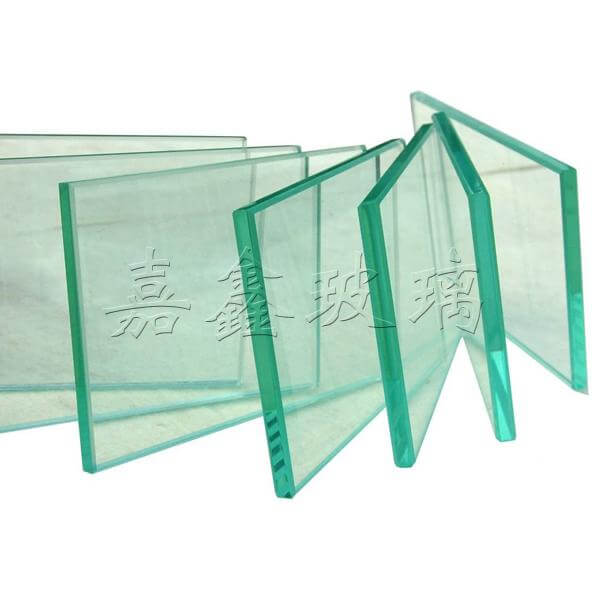
In practice, laminated glass is rarely supplied alone. It is usually part of a composite build-up: laminated tempered glass for railings, laminated Low-E insulating glass for facades, laminated glass with a printed or tinted interlayer for privacy, or a fire-rated laminated assembly for compartmentation. This is why the manufacturer’s ability to control the whole build-up — not just one pane — matters more than the price of a single sheet.
Why the Choice of Architectural Laminated Glass Supplier Matters
Laminated glass looks straightforward on a specification sheet, but the finished performance depends on process control: interlayer selection, alignment of panes, edge quality, autoclave or vacuum-bag conditions, and the accuracy of the final cut size. Small process deviations show up later as edge delamination, bubbles, haze or optical distortion — problems that are expensive to fix once the glass is on site.
A capable architectural laminated glass supplier brings several things to a project beyond the material itself. First, the ability to advise on the correct configuration for each location: a canopy needs different considerations than a stair balustrade, and a facade unit needs different considerations than an interior partition. Second, the ability to combine laminated glass with the company’s own tempered, insulating, Low-E and fire-resistant lines, so that one factory controls the fit between components. Third, consistent dimension control, so that panels match the shop drawings and reduce installation rework.
Questions Worth Asking Any Laminated Glass Factory
- Which interlayer types are available, and which one is recommended for my application?
- Can laminated glass be produced as tempered laminated glass, or combined with Low-E and insulating glass?
- What is the maximum panel size and thickness combination the factory can process?
- How are edge work, holes, cut-outs and corner radii handled?
- What is the typical lead time for a mixed order containing several glass types?
Laminated Glass Compared With Other Safety Glazing Options
Buyers frequently compare laminated glass with tempered glass because both are described as “safety glass.” They behave differently, and the right choice depends on the risk profile of the location. The table below summarises the practical differences as they apply to building projects.
| Glass type | Break behaviour | Typical architectural use |
|---|---|---|
| Tempered glass | Breaks into small blunt granules; higher impact resistance than annealed glass | Doors, partitions, windows, general glazing where fragmentation control is required |
| Laminated glass | Cracks but stays in the frame thanks to the interlayer; fragments do not fall freely | Overhead glazing, skylights, canopies, balustrades, facades, security-sensitive areas |
| Tempered laminated glass | Combines high strength with post-break retention | High-level facades, large spans, railings, structural glazing |
| Fire-resistant glass | Designed to resist fire and smoke spread for a defined period while keeping transparency | Fire compartments, smoke curtains, fire-rated partitions and doors |
A practical rule used by many specifiers is simple: use tempered glass where strength and fragmentation control are the main concerns, use laminated glass where the glass is overhead, at height, above people, or where falling glass would be unacceptable, and use tempered laminated glass where both strength and post-break retention are required.
Key Applications of Architectural Laminated Glass
Laminated safety glass appears in more locations than most buyers initially expect. Its ability to hold together after breakage makes it the default choice wherever broken glass could fall on people or property.
Balustrades, Railings and Staircases
Glass balustrades on balconies, terraces and staircases are a common application. Laminated glass gives the guard a transparent, uninterrupted appearance while providing a retained barrier after accidental impact.
Overhead and Sloped Glazing
Skylights, atria, canopies and sloped glazing sit above occupied space. Laminated glass reduces the risk of a broken pane dropping onto people below, and it can be combined with Low-E coatings to control solar heat gain in glass roofs that would otherwise overheat the space beneath.
Facades and Curtain Walls
For facades, laminated glass is often produced as laminated Low-E insulating glass: an outer laminated pane for safety and acoustic performance, a sealed cavity for thermal insulation, and a Low-E coating to reduce heat exchange. This build-up is widely used on residential towers and commercial buildings.
Interior and Security-Sensitive Glazing
Shop fronts, entrance screens, interior partitions and areas with higher intrusion risk benefit from the delay provided by a laminated assembly. Additional interlayers or thicker builds can be specified where the risk assessment calls for more resistance.
Fire Compartmentation
Fire-resistant glass is used for fire partitions, compartment boundaries and smoke curtains, preserving visual transparency while supporting the building’s fire strategy. It is frequently specified alongside laminated and tempered glass within the same project package.
How to Evaluate an Architectural Laminated Glass Manufacturer
Choosing between suppliers is mostly a process of eliminating risk. Price is part of the decision, but the cheapest quotation often excludes edge work, tooling, packaging or the correct interlayer for the application. A structured evaluation helps avoid surprises during installation.
Start with capability. Confirm which glass families the factory actually produces in-house: tempered glass, insulating glass, Low-E glass, laminated glass, integral blind insulating glass and fire-resistant glass. A manufacturer that produces the full range can supply a coordinated package and take responsibility for how the components fit together.
Next, review the technical documentation. Ask how the laminated build-up is specified for each location, what interlayer options are available, and how the supplier handles tolerance on large panels. For projects with curved geometry, confirm whether bent tempered glass and bent tempered insulating glass can be produced to the required radius and arch height.
| Evaluation area | What to confirm | Why it matters |
|---|---|---|
| Product scope | Whether laminated, tempered, insulating, Low-E and fire-resistant glass are produced in the same factory | Fewer interfaces, more consistent quality across a mixed order |
| Configuration advice | Clear recommendations per application rather than a single “standard” build | Avoids over-specification cost or under-specification risk |
| Customization | Custom sizes, shapes, holes, cut-outs, curved glass and integral blinds | Design intent is preserved without on-site modification |
| Quotation clarity | Build-up, thickness, interlayer, edge work, packing and lead time listed item by item | Enables a fair comparison between suppliers |
| Packing and logistics | Suitable crates, interleaving, labelling and handling instructions for long-distance delivery | Reduces breakage and site delays on overseas shipments |
Customization, OEM and Composite Solutions
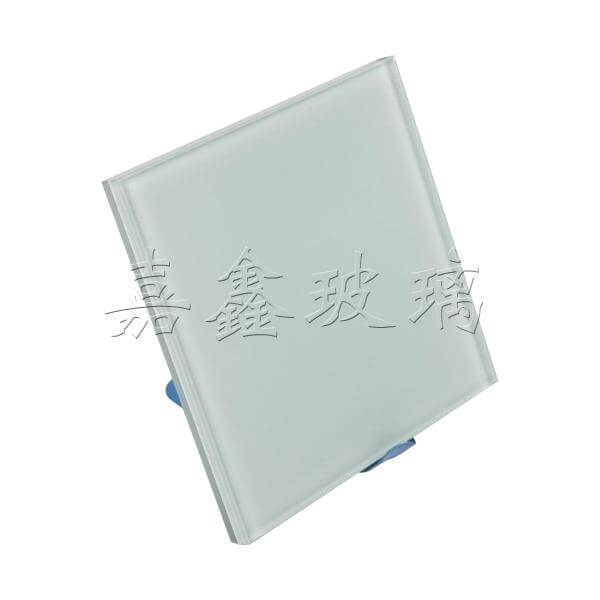
Most architectural projects need more than a catalogue product. Jiaxin Glass works from drawings and specifications, producing laminated glass in custom dimensions and combining it with other glass families where the design requires it. Typical customization requests include laminated tempered glass for railings, laminated Low-E insulating glass for facades, integral blind insulating glass for privacy and solar control, and bent tempered or bent tempered insulating glass for cylindrical walls, arched windows and curved canopies.
For buyers sourcing under their own brand, OEM production is also part of the conversation: panel marking, packaging formats, documentation and delivery schedules can be aligned with the buyer’s project requirements. Clear communication at the quotation stage — build-up, thickness, interlayer, edge finish, quantity and destination — keeps customized orders predictable.
Handling, Installation and Maintenance Considerations
Laminated glass performs best when it is handled correctly from delivery to installation. Panels should be stored upright on suitable A-frames, kept dry, and never lifted by the edges of the interlayer. During installation, the glass should sit on setting blocks rather than directly on frames, and glazing gaskets should not be over-compressed, since restrained expansion can introduce stress at the edges.
For maintenance, routine cleaning with mild detergent and a soft cloth is normally sufficient. Abrasive pads, acidic cleaners and razor scrapers should be avoided on coated or laminated surfaces, as they can damage the coating or the exposed edge seal. In coastal or heavily polluted environments, a regular cleaning cycle prevents deposits from bonding to the surface and keeps the facade looking as specified for longer.
FAQ
What is architectural laminated glass and how is it made?
Architectural laminated glass consists of two or more glass panes permanently bonded by one or more interlayers under heat and pressure. The interlayer keeps the panes together if the glass breaks, so fragments stay in the frame instead of falling away, which is why it is classified as safety glass in building applications.
Can laminated glass be combined with Low-E glass and insulating glass?
Yes. Laminated glass is often produced as laminated Low-E insulating glass, where a laminated pane provides safety and acoustic benefits, a sealed cavity provides thermal insulation, and a Low-E coating reduces heat exchange between indoors and outdoors. This combination is common on facades and windows where both safety and energy performance are required.
How do I decide between laminated glass and tempered glass?
Tempered glass offers higher impact resistance and breaks into small blunt granules, making it suitable for doors, partitions and general glazing. Laminated glass cracks but stays in place, making it the preferred choice for overhead glazing, skylights, balustrades, facades and any location where falling glass would be a risk. Where both strength and post-break retention are needed, tempered laminated glass is the usual answer.
Do you provide customized sizes and curved laminated glass?
Yes. Production is based on project drawings and specifications, so sizes, thickness combinations, holes, cut-outs and edge work can be customized. For curved architecture, bent tempered glass and bent tempered insulating glass can be produced to the required radius and arch height, and combined with laminated or insulating builds according to the design.
How should I request a laminated glass quotation?
Provide the panel sizes, quantity, application location, required build-up or performance requirements, edge and hole details, glass type preferences, and the delivery destination. With these details, a supplier can quote a specific configuration rather than an indicative price, which makes comparison between suppliers far more meaningful.
Summary
Architectural laminated glass is a safety-critical material, and its performance depends as much on how it is manufactured as on how it is specified. Understanding the difference between laminated, tempered, tempered laminated and fire-resistant glass allows buyers to match the product to the risk profile of each location instead of applying a single specification everywhere.
When evaluating an architectural laminated glass manufacturer, look at product scope, configuration advice, customization capability, quotation transparency and packing quality. Jiangyin Jiaxin Glass Products Co., Ltd. produces laminated glass alongside Low-E coated glass, insulating glass, integral blind insulating glass, tempered glass, fire-resistant glass and composite assemblies, which allows project buyers to source a coordinated glass package from a single deep-processing factory in Gushan Town, Jiangyin. Working from drawings and specifications, the company supports residential, commercial and public building projects with practical, buildable glass solutions grounded in a simple principle: customer first, quality assured.