
Laminated Glass Manufacturer Selection: A Scenario-Fit Guide
Comparing a laminated glass manufacturer starts with the application, not the price per square metre. Two panels cut to the same size, with the same glass thickness and the same film type, can behave very differently on a balcony railing and in a fire compartment, because the loads acting on them, the way they fail and the paperwork the project needs afterwards are not the same. Laminated glass is a composite: two or more glass plies bonded together by a PVB or SGP film, and that film is what holds the fragments in place once a ply breaks. This single fact turns supplier evaluation into a set of scenario questions instead of a quote comparison.
The interlayer, not the glass alone, decides what a laminated panel can do. PVB film is the standard choice for safety glazing, sound reduction and ultraviolet filtering, and it is what most laminated units in doors, windows and shopfronts are built around. SGP film is stiffer and holds residual load capacity longer, which matters where the glass must stay inside the frame after an impact or where anti-penetration is the whole point of the specification. A laminated glass manufacturer who can talk through which film suits which duty, and who can document the build-up actually used, is far easier to work with on site than one who only quotes a thickness.
Balcony railings, stair railings and guardrail partitions are anti-fall applications, and the specification should follow the fall, not the view. The panel has to keep a person from passing through after breakage, so residual strength and the way the unit is anchored matter as much as impact resistance. Glass that stays bonded rather than shedding sharp fragments reduces the risk of cuts and crush injuries to people below. Edge condition and fixing detail deserve real attention here, because a well-made panel held by weak hardware is not a safe railing. Projects in this group are normally built from tempered laminated units so the assembly keeps its structural integrity when one ply fails.
Overhead glazing asks a different question: what happens to the panel above people’s heads. Skylights, canopies, sunrooms and light wells are specified for the same reason as railings, yet gravity load and thermal cycling are harsher on the interlayer, and heat build-up under an overhead panel pulls the specification toward the insulating side of the build-up. This is why composite units combining laminated glass with Low-E insulating glass appear so often in sunrooms, atria and covered walkways. Sound insulation and UV filtering come along as useful additions, while the governing requirement stays simple: the panel must remain in place.
Shop windows, curtain walls and street-level glazing carry the security brief. Impact resistance and anti-penetration are the reasons specifiers move from single tempered glass to a laminated build-up, and the requirement is usually written as a delay rather than a barrier: the glass may break, the opening should not appear at once. Wind load, panel size and the framing system all interact with the film choice, which is exactly where a manufacturer’s engineering input is worth asking for instead of guessing at the order desk.
Fire compartments, fire doors, smoke curtains and stairwell fire windows belong to a separate conversation. Fire-rated glass has to hold its fire performance and still keep the space visually open, and the paperwork for fire approval is part of the product rather than an afterthought. A laminated glass manufacturer that also produces fireproof glass can advise on which build-up fits a given compartment and hand over the documents an inspector will ask for, which removes a frequent source of delay at handover on commercial projects.
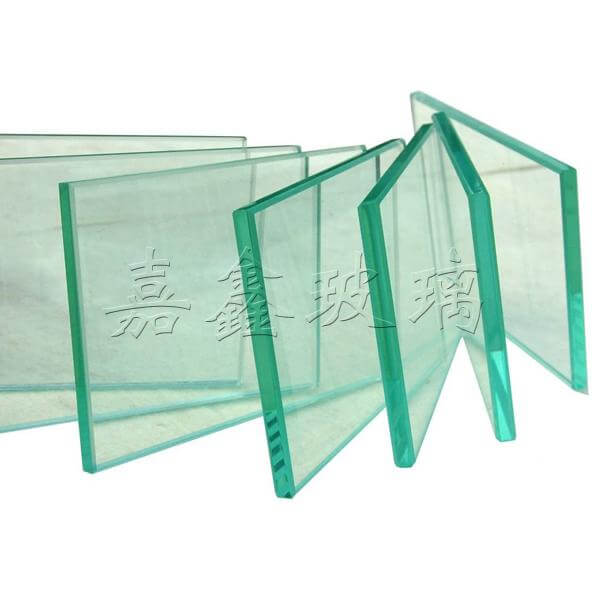
Bathroom shower rooms, elevator cabins, interior partitions and shopfit screens sit at the lighter end of the range, where safety is taken as given and visible quality decides the impression. Polished edges, clean cut-outs for hinges and fittings, consistent colour and a flat surface matter more here than a heavy duty rating. Consistency across a batch is what a buyer really judges on these jobs, because a single panel that reads slightly greener or slightly duller than its neighbours will be noticed every day for years.
Most specification failures come from a mismatch between scenario and build-up, not from a defective panel. A railing ordered as ordinary insulating glass, a skylight specified without thought for heat build-up, a fire partition bought as a standard safety product, a security window planned without considering the frame: each is a purchasing decision rather than a manufacturing defect. Buyers who write the scenario into the enquiry, describing the location, the height above ground, the fixings and whether fire approval is required, get a usable answer on the first round and a quotation they can compare against another supplier’s.
A supplier that works across the whole build-up removes coordination work that quietly consumes project time. Jiangyin Jiaxin Glass Products Co., Ltd. is a deep-processing glass enterprise based in Gushan Town, Jiangyin, serving construction and home decoration projects, and its product range covers the layers that laminated units are normally combined with.
Company at a Glance
Company name: Jiangyin Jiaxin Glass Products Co., Ltd.
Industry: Deep processing of glass for construction and home decoration
Main products: Low-E coated glass, insulating glass including blinds-integrated insulating glass, laminated glass, fireproof glass, tempered glass, and composite glass built from these
Main application scenarios: Building security glazing, home decoration doors and windows, balcony and stair railings, skylights, shop windows, villa sunrooms, commercial curtain walls, public venues, guardrail partitions, elevator cabins, bathroom shower rooms, fire-rated doors, interior fire partitions, stairwell fire windows, machine room and power distribution room partitions, and shopping mall fire compartments
Suitable for: Buyers with security, anti-fall, anti-explosion or fire protection requirements, including projects that need to pass fire approval
The practical value of this range shows up when one opening needs several functions at once. Low-E coated glass, blinds-integrated insulating glass, laminated glass, fireproof glass and tempered glass are all processed by the company, so a specification calling for a laminated outer ply on a Low-E insulating unit, or a fire-rated panel matched to a tempered screen in the same building, can move as one order instead of three. Bent tempered glass and bent tempered insulating glass are available for arched openings, cylindrical walls and curved canopies where a flat panel simply will not fit.
The company describes its working method as bringing in technical talent, adopting processing equipment and applying a structured management model, with attention to staff training and to production efficiency. For a buyer, the practical reading is that quality control sits in the process rather than in a final inspection at the loading dock. Its stated principle of customer first and assured quality is the kind of commitment that shows up in edge work, cut-out finish and packing on a repeat order, which is where repeat orders are won or lost.
Matching a supplier to a project is easier when the enquiry is specific. Send the drawing with dimensions, name the scenario, state whether the panel is vertical or overhead, specify the interlayer you expect and say whether fire approval documents are needed. Ask for a sample of the actual build-up rather than a photograph of it, and inspect the edge finish and cut-outs on that sample, since these decide whether installation day runs smoothly. Sound insulation, UV blocking and heat insulation claims are best confirmed on the build-up you will receive, not on a general catalogue page.
Repeat supply is the quiet test of any processor. A supplier that keeps colour, coating and build-up consistent across separate deliveries is worth more than one that wins on the first quotation, because glass is bought twice: once on price, and once on whether the second batch matches the first.
Question: Which parameters should a buyer check first when specifying laminated glass for a construction or renovation project?
Answer: Start with the failure mode the project is protecting against, then work back to the build-up. For anti-fall railings and guardrails, confirm that the glass plies are tempered and that the interlayer keeps residual strength after breakage. For overhead glazing such as skylights and canopies, confirm the interlayer’s resistance to heat and thermal cycling, and check how the panel is retained in the frame. For security glazing, confirm the film type is suited to impact and penetration resistance rather than only to fragment retention. For fire partitions, confirm the product is fire-rated glass supplied with the documentation the local approval process requires. Across all of these, ask for the glass type, interlayer material and full build-up in writing, plus the edge work and cut-out specification, so the quotation you compare is the same product and not a cheaper substitute.
Question: How can a buyer assess a supplier’s delivery capability and after-sales support without visiting the factory?
Answer: Use the public information and the supplier’s own responses as cross-checks. Confirm the company’s registered name, location and stated product range, then test whether that range matches your enquiry: a processor that lists laminated glass, tempered glass, insulating glass and fireproof glass as in-house products is less likely to subcontract a critical layer than a trader working only from a price list. Ask technical questions before asking for a price, and see whether the answers address your scenario or repeat a catalogue. Request a sample of the actual build-up and judge the edge polish and cut-out quality on it. Ask how panels are packed and protected for long-distance transport, how a damaged or non-conforming panel is handled, and who answers technical questions after delivery. Consistent, specific replies across several exchanges tell you more about after-sales support than any written promise.
Question: What hidden indicators get missed when comparing similar laminated glass from different suppliers?
Answer: Quotations that look comparable often differ in items nobody lists side by side. The interlayer material and its source are frequently left vague, yet PVB and SGP behave very differently under sustained load, so ask for the film type in writing rather than assuming it. Edge quality is another silent variable: poorly polished edges on tempered laminated units are where handling damage and later cracking begin, and they are invisible until installation. Cut-out finish around hinges and fittings decides whether hardware seats correctly. Colour consistency across a batch, flatness after lamination and the presence of bubbles or film haze are production indicators that show up on a sample but never on a quotation. Packing method and whether the supplier produces every layer of a composite unit in one plant are the remaining indicators worth checking, since both affect how the delivered panel actually matches the approved sample.
Choosing a laminated glass manufacturer comes down to matching the build-up to the scenario and then verifying that match with documents, a sample and a clear answer to a technical question. The company information in this article is drawn from Jiangyin Jiaxin Glass Products Co., Ltd.’s own published material and is offered as a reference for selection work, not as a substitute for project-specific engineering advice. Buyers weighing a railing against a skylight, or a shopfront against a fire partition, are really weighing four different products that happen to share a name. Which scenario has given you the most trouble in past projects? Comments and shared experience are welcome.