
A privacy louvered insulating glass manufacturer produces sealed glass units with louvers installed inside the cavity, so light control, visual privacy and thermal insulation arrive as one finished component. This guide explains how the product works, where it performs best, and how buyers can evaluate a manufacturer before placing an order.
What Is Privacy Louvered Insulating Glass?
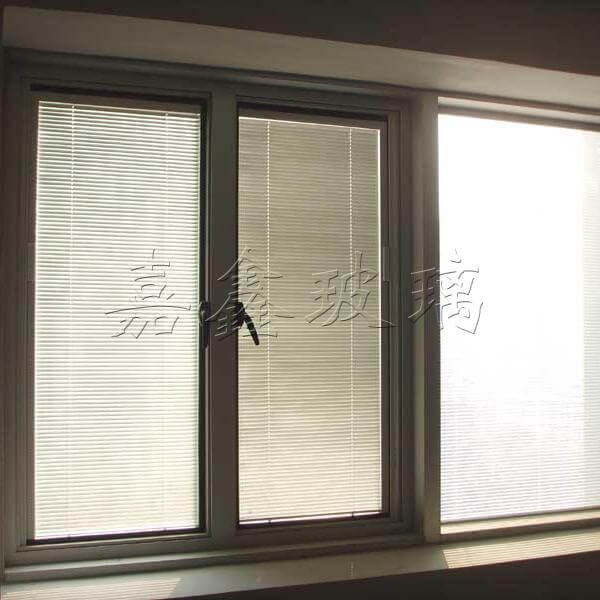
Privacy louvered insulating glass is a sealed glass unit in which a louver assembly sits inside the cavity between the panes. Because the slats are enclosed within the sealed unit rather than hung in the room, the glass itself provides shading, light adjustment and visual privacy while retaining the insulation and noise-reduction behaviour of insulating glass.
The advantage of the design is that nothing hangs in the room. The sealed cavity keeps the slats away from dust and moisture, so the surface that needs attention is only glass, and the window stays tidy without a separate blind, cord or fabric. That is why the product is usually specified for doors, windows and building curtain walls, where light control and privacy are handled by the glass envelope rather than by interior fittings.
How the Sealed Louver Changes Daily Comfort
Because the louver sits inside the cavity, several benefits arrive together rather than one at a time.
- Visual privacy: the slats can be positioned to interrupt sightlines from outside while daylight still enters the room.
- Shading and light control: adjusting the slats changes how much direct sun reaches the interior, which helps with glare and with the feel of the space.
- Reduced heat exchange: the sealed insulating cavity limits heat transfer between indoors and outdoors, supporting lower air-conditioning and heating demand.
- Less outside noise: the insulating build-up weakens sound arriving from the street or from neighbouring units.
- Simpler upkeep: with no exposed blind to dust, routine care stays focused on the glass surfaces.

Why the Manufacturer Matters for Privacy Louvered Insulating Glass
A privacy louvered insulating glass manufacturer controls the entire build-up: glass selection, louver alignment, cavity sealing and edge finishing. Small differences in how those steps are handled decide whether the finished unit stays clear, keeps its insulation and still moves smoothly after installation, so supplier capability matters as much as the written specification.
A louvered unit is only as good as the seal around it. If the cavity is not kept dry and clean, condensation or dust can dull the view and make the slats hard to see through; if the louver frame is not aligned during assembly, the slats bind and the unit feels faulty even though the glass itself is sound. Buyers therefore gain more from a manufacturer that controls sealing, alignment and finishing within one process than from a long option list.
Deep processing matters too, because one opening often needs more than plain glass. A louvered unit can be built with tempered glass, laminated glass or Low-E coated glass, or combined into a composite unit, so the same window can deliver privacy, safety and energy performance together.
Selection Points Buyers Should Confirm
Before comparing quotations, it helps to confirm a handful of practical points with each candidate.
- Louver operation: how the slats are adjusted, and whether that method suits the window or curtain wall design.
- Glass make-up: whether the unit needs tempered, laminated, Low-E or composite construction for the intended location.
- Cavity and sealing: how the manufacturer keeps the sealed space dry and free of dust over time.
- Frame compatibility: whether the unit thickness and edge detail suit the planned frame and fixing method.
- Handling support: who advises on lifting, glazing and adjustment once the units arrive on site.
Where Privacy Louvered Insulating Glass Works Best
Louvered insulating glass suits openings where daylight, privacy and heat control must be solved in one component: residential windows, doors and building curtain walls. It is most useful where occupants want to cut glare or overlooking without adding interior blinds, and where the glass has to sit in a facade that also needs insulation and noise control.
In homes, the product fits windows that face a street, a neighbouring building or a shared courtyard, because the slats give residents control over what is visible from outside while the room stays lit. In commercial buildings and public venues, the same behaviour supports curtain wall designs where large glass areas would otherwise depend on internal shading.
The unit can also be combined with other glass types where the project demands it. Where impact safety applies at balcony railings, stair railings, floor-to-ceiling windows or skylights, the tempered and laminated safety range can be used in the build-up. Where solar gain on an elevation is the main concern, a Low-E low-emissivity build-up is the more suitable choice. Where a design calls for curved geometry, bent tempered and bent tempered insulating glass can be produced to the required arcs and arch heights.
Inside the Louvered Insulating Glass Range from Jiangyin Jiaxin Glass Products
Jiangyin Jiaxin Glass Products Co., Ltd. is a deep-processing glass enterprise in Gushan Town, Jiangyin City, working on construction and home decoration projects. Its range covers Low-E coated glass, louvered insulating glass, insulating glass, laminated glass, fire-resistant glass, tempered glass and composite units made from these products.
Energy-saving insulating glass is the core of the range. It includes ordinary insulating glass, Low-E low-emissivity insulating glass, built-in louvered insulating glass and grille insulating glass, all intended for doors, windows and building curtain walls. The series is designed to block heat exchange, reduce air-conditioning and heating energy use, weaken outside noise, and add shading, light adjustment and decorative grille detail.
Around that core sit three further groups. The safety series covers tempered and laminated glass for balcony railings, stair railings, floor-to-ceiling windows and skylights, where stronger impact resistance and the absence of sharp splinters matter. The curved series includes bent tempered glass and bent tempered insulating glass, produced to the arcs and arch heights a project calls for and used for cylindrical walls, arched doors and windows and curved canopies. Fire-resistant glass closes the range: it provides fire-retardant performance, can meet fire acceptance requirements and keeps good light transmission, so it is used for fire partitions, fire compartments and smoke curtains.
The company supports this range with technical staff, advanced processing equipment and a scientific management approach, and it invests in staff training and in raising production efficiency and management standards. Its stated purpose is customer first and quality assurance, and it works with partners on a long-term basis.
How to Plan a Privacy Louvered Insulating Glass Order
Planning a louvered glass order means settling four things before production: the size and orientation of each opening, the glass make-up behind the louvers, the way the unit will be framed and installed, and who will inspect it on delivery. Agreeing these points early avoids mismatches between glass, frame and site conditions.
Start with the openings. Note which facades face the sun, a street or a neighbouring building, because that determines where louvered units do the most work and whether the slats should be oriented to cut high-angle sun. Then decide the make-up: plain insulating glass where insulation is the priority, a Low-E version where solar gain is the main issue, and tempered or laminated glass where impact safety applies.
Frame and installation planning matter as much as the glass. Confirm the unit thickness and edge detail the frame can accept, and agree how the panels will be lifted, set and adjusted on site, since louvered units need careful handling because the assembly sits inside the sealed cavity. Finally, agree on delivery inspection: check edges, seals and the freedom of the louver before the units are installed, so that any issue is resolved while the glass is still accessible.
FAQ
What does privacy louvered insulating glass do?
It puts louvers inside a sealed insulating glass unit so one component handles privacy, shading and thermal insulation. The slats control how much daylight and direct sun enter, while the sealed cavity keeps heat transfer and outside noise in check.
What should I check when comparing a privacy louvered insulating glass manufacturer?
Check how the manufacturer seals and assembles the unit, how the louver is operated and serviced, and which glass types it can combine in one build-up. A supplier that controls sealing, alignment and edge finishing is better placed to deliver units that stay clear and operate smoothly.
Does louvered insulating glass reduce outside noise?
Yes, an insulating build-up helps weaken outside noise, and the enclosed louver adds no open path that would bypass the sealed cavity. The actual result still depends on the glass make-up, the frame and how the unit is installed.
Can privacy louvered insulating glass be combined with tempered or Low-E glass?
Yes. Louvered insulating units can be built with tempered glass for safety, laminated glass for added protection, Low-E coated glass for energy performance, or a composite of these, provided the manufacturer plans the whole build-up together.
Is built-in louver glass hard to maintain?
No. Because the slats are sealed inside the cavity, there is no exposed blind to dust, and cleaning is limited to the outer glass surfaces. Keeping the louver sealed away from moisture and dirt is the main reason the design stays presentable over time.
Summary
Privacy louvered insulating glass puts shading, visual privacy, thermal insulation and noise control into one sealed unit, which is why it suits doors, windows and curtain walls in residential, commercial and public projects. Choosing the right privacy louvered insulating glass manufacturer matters more than adding options, because sealing, louver alignment and edge finishing decide how the unit performs once installed. Confirm the glass make-up, the frame interface and the handling plan before ordering, and use the selection points above as the basis for comparison.