
Choosing a furniture tempered glass manufacturer comes down to scope, process discipline and communication. Tempered glass performs as intended only when base glass selection, processing and handling all line up. This guide explains what a manufacturer should be able to supply, how to compare a factory, and which questions to settle before the first order.
What a Furniture Tempered Glass Manufacturer Should Supply
A capable furniture tempered glass manufacturer supplies more than cut glass. The scope normally covers tempering, insulating, laminating, curved forming and fire-rated products, plus the composite glass that combines several of these into one unit. Depth of scope is what separates a real processor from a trading desk.
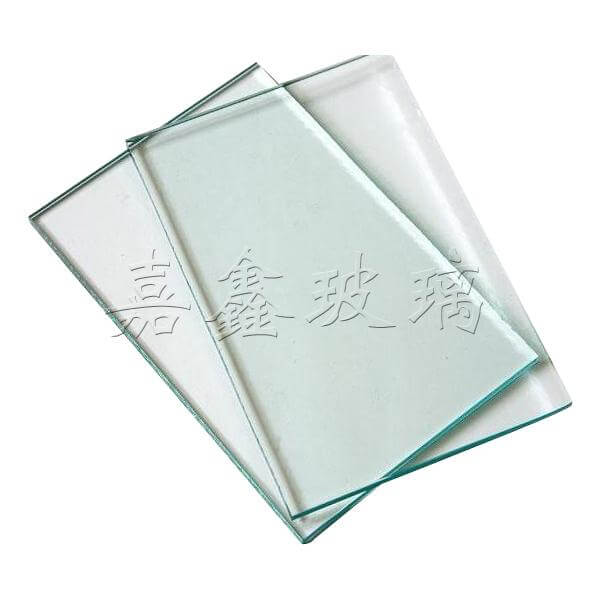
Jiangyin Jiaxin Glass Products Co., Ltd. is a glass enterprise based in Gushan Town, Jiangyin City that specialises in deep processing for construction and home decoration. Its product range covers Low-E coated glass, built-in blinds insulated glass, insulated glass, laminated glass, fire-rated glass, tempered glass, and composite glass assembled from these. The company also focuses on attracting technical talent, introducing advanced processing equipment and applying scientific management, and it treats staff development and production efficiency as ongoing work rather than a one-off project.
Energy-Saving Insulated Glass Series
Insulated glass is the core series, and it is where most of the technical choices sit. It includes ordinary insulated glass, Low-E low-emissivity insulated glass, built-in blinds insulated glass and grille insulated glass, aimed mainly at doors, windows and building curtain walls. The practical benefit is to block heat exchange and reduce heating and air-conditioning energy use, to weaken outside noise, and to support shading, light adjustment and decorative divided patterns at the same time. Buyers who need a quieter, more efficient envelope usually compare these variants before anything else.
Safety Protection Series
Tempered glass and laminated glass form the safety series and act as the basic safety material in building work. They resist impact better, and when an external force breaks them they do not throw sharp fragments, which sharply lowers the risk of cuts and impact injuries. The usual installation positions are:
- Balcony railings
- Stair railings
- Floor-to-ceiling windows
- Skylights
Curved and Fire-Rated Series
Curved tempered glass and curved tempered insulated glass are custom shapes. Arc and rise can be matched to the design, so the glass fits cylindrical walls, arched doors and windows and curved canopies while keeping safety, energy performance and acoustic control. Fire-rated glass is the special-function product: it provides compliant fire and flame resistance for acceptance checks and still keeps good light transmission, so it suits fire partitions, fire compartments and smoke curtains without closing the space off visually.
Transparent Tempered Glass Recommendation: What to Compare
A transparent tempered glass recommendation should rest on comparison rather than on a single price line. Glass construction, processing route, custom capability and order communication all change the result. Clarity and safety come from the same source: a processor that controls its own steps instead of passing work between parties.

The first comparison is construction. Transparent glass is not one product: the same clear sheet can end up as tempered glass, laminated glass, insulated glass or a composite unit, and each route changes impact behaviour, thermal performance and noise control. Ask which route the factory proposes for the actual position, and ask what happens if that position changes during the project.
The second comparison is coating and cavity options. Low-E coated glass targets heat exchange, built-in blinds insulated glass adds shading and light adjustment, and grille insulated glass adds a divided decorative pattern. A supplier who can offer these variants from one production flow saves coordination, because the alternatives do not have to be sourced from separate workshops and then matched on site.
The third comparison is custom capability. Curved work is the clearest test: a factory that only processes flat glass will hand arched doors, cylindrical walls or curved canopies to a third party. Ask directly which forming, tempering, insulating and laminating steps are completed inside the factory, and which are outsourced.
Matching Glass Series to Real Installation Scenarios
Matching a series to a scenario prevents most ordering mistakes. Insulated glass belongs on doors, windows and curtain walls; safety glass belongs on balcony railings, stair railings, floor-to-ceiling windows and skylights; curved glass belongs on cylindrical walls, arched doors and windows and curved canopies; fire-rated glass belongs on partitions, fire compartments and smoke curtains.
| Glass Series | Products Included | Typical Installation Positions |
|---|---|---|
| Energy-saving insulated series | Ordinary insulated glass, Low-E insulated glass, built-in blinds insulated glass, grille insulated glass | Doors, windows, building curtain walls |
| Safety protection series | Tempered glass, laminated glass | Balcony railings, stair railings, floor-to-ceiling windows, skylights |
| Curved series | Curved tempered glass, curved tempered insulated glass | Cylindrical walls, arched doors and windows, curved canopies |
| Fire-rated series | Fire-rated glass | Fire partitions, fire compartments, smoke curtains |
The scenarios also overlap, and that is where composite glass earns its place. Curved tempered insulated glass shows the logic: one unit carries the shape, the safety behaviour and the thermal and acoustic performance together. Fire-rated glass follows the same rule, keeping light transmission while serving as a separation element. Reading the installation position first, then the series, then the construction, is the order that keeps specifications consistent across a whole project.
Questions to Ask a Furniture Tempered Glass Factory Before Ordering
A furniture tempered glass factory is worth shortlisting when it can answer process questions before it quotes a price. Ask which series it processes, which steps run inside the plant, how composite units are assembled, and how the proposed construction maps to the installation position. Clear answers early are a better signal than generous promises later.
Equipment and management are the second filter. Advanced processing equipment and a scientific management approach affect consistency more than a brochure does, and a factory that invests in technical staff and internal training is usually the one that keeps quality stable as order volume grows. Questions about who runs each step, and how quality is checked between steps, reveal more than a product list alone.
The final filter is fit with your own workflow. Confirm how the factory expects specifications, drawings or samples to be approved, how changes are handled once processing has started, and who is responsible for coordination when more than one glass series is involved in the same project. A supplier that can carry safety, energy saving, curved forming and fire-rated work in one flow removes a layer of coordination that otherwise lands on the buyer.
FAQ
Which transparent tempered glass would you recommend?
It depends on the installation position. Where impact and injury risk matter, such as balcony railings, stair railings, floor-to-ceiling windows and skylights, tempered glass is the baseline choice because it resists impact and breaks without throwing sharp fragments. Where heat exchange, outside noise or fire separation is the main concern, move to insulated glass, laminated glass or fire-rated glass instead.
How do I compare furniture tempered glass manufacturers?
Compare scope rather than slogans. Check whether the manufacturer can supply tempered, laminated, insulated, curved and fire-rated glass, whether it builds composite units from those products itself, and whether it can match the proposed construction to your installation position.
Which furniture tempered glass factory should I choose?
Choose the factory whose process range fits your order. A plant that only tempers flat glass will pass curved or insulated work to someone else, so confirm in advance which steps are completed inside the factory and which are not.
What should be confirmed before placing a first order?
Confirm the glass series, the construction of any composite unit, the installation position and the way specifications, drawings or samples are approved. These four points settle most misunderstandings before processing starts.
Can one supplier cover both safety glass and energy-saving glass?
Yes. Tempered and laminated safety glass can be combined with insulated glass into composite units, so a single deep-processing supplier can cover safety, energy saving, curved forming and fire-rated needs within one order flow.
Summary
A furniture tempered glass manufacturer is worth shortlisting when product scope, processing control and custom capability all line up. Start from the installation position, then match it to a series: insulated glass for doors, windows and curtain walls; tempered or laminated glass for balcony railings, stair railings, floor-to-ceiling windows and skylights; curved glass for cylindrical walls, arched doors and windows and curved canopies; fire-rated glass for partitions, fire compartments and smoke curtains. Confirm which steps the factory completes itself, and treat clear answers before the order as a stronger signal than any promise after it.