
Choosing the right double-layer Low-E insulating glass depends on verified quality, transparent pricing, supplier responsiveness, and clear contact access. A low price alone is not a reliable signal of value; buyers should compare product consistency, delivery communication, and after-sales support before selecting a supplier.
What Double-Layer Low-E Insulating Glass Means for Buyers
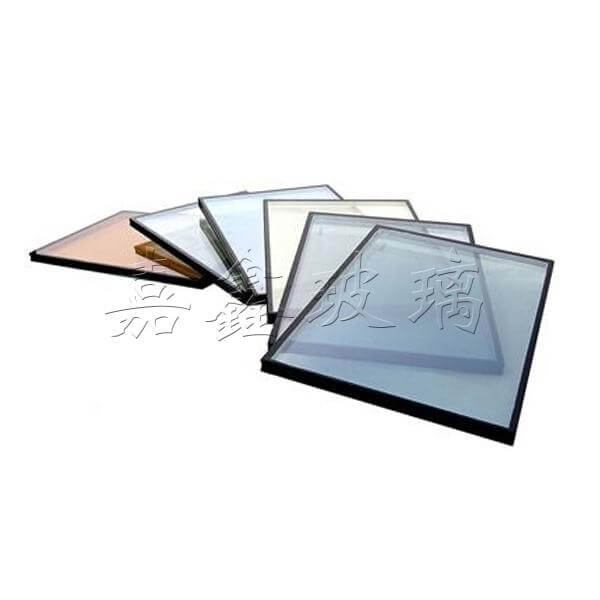
Double-layer Low-E insulating glass is a glazed unit with a double-layer glass structure and a Low-E coating, designed to reduce heat transfer while supporting daylight and indoor comfort. For buyers, the value lies less in a slogan and more in how consistently the product is made, packed, and supported.
The term points to a product category, not a fixed level of performance. Buyers should treat any shortlist, quotation, or ranking as a starting point and then compare how clearly each supplier explains product scope, handling, delivery, and service. This approach keeps the purchase focused on real project needs rather than on a single headline price.
For architectural and home decoration projects, the glass must fit the opening, design intent, and installation plan. A supplier that can discuss these points in plain language is easier to evaluate than one that answers only with a price. The right choice is the option that balances product quality, price clarity, and communication.
How to Compare Quality and Price in Double-Layer Low-E Insulating Glass
Quality and price should be compared together, because a low quotation can hide weak product control or unclear service terms. A useful comparison looks at how the supplier describes the glass, how it handles questions, and whether the offer matches the project scope without vague promises.
Price transparency matters because buyers need to know what is included in the offer. Ask for a clear quotation structure covering product scope, packing, delivery arrangement, and communication points. A supplier that explains these items openly is easier to compare with others than one that gives only a lump sum.
Quality is not a single claim; it is the result of process control and attention to detail. Buyers can ask how the supplier manages coating, sealing, handling, and packing, and whether those answers are consistent with the project requirement. Clear answers build more confidence than broad marketing language.
A Practical Comparison Path
A practical comparison can follow a simple path: confirm the product scope, review the quotation detail, test the contact response, and compare how clearly each supplier explains delivery and service. The goal is not to collect the longest list of claims, but to find the offer that is easiest to verify and compare.
- Confirm that the product description matches the project requirement.
- Ask for quotation details that make price and scope comparable.
- Test the contact channel before you rely on it for order follow-up.

Why Supplier Ranking and Real Communication Matter
A supplier ranking can save time during shortlisting, but it should never replace direct communication. Rankings are only as useful as their criteria, so buyers should check whether the listed strengths match their own project needs, budget, and delivery expectations.
A phone call is a practical test of responsiveness. Ask about product scope, how questions are handled, and who will follow the order from quotation to delivery. If the contact person cannot answer basic product or timing questions, the buyer learns something useful before placing an order.
Supplier background also matters. Jiangyin Jiaxin Glass Products Co., Ltd. is a professional deep-processing glass enterprise located in Gushan Town, Jiangyin City, focused on architectural and home decoration glass. Its product scope includes Low-E coated glass, louvered insulating glass, insulating glass, laminated glass, fire-resistant glass, tempered glass, and composite glass made from these products.
For buyers, this kind of background is useful only when it connects to the actual question: can the supplier meet the project need with clear product information, stable communication, and a quotation that can be compared fairly? That is the practical link between a company profile and a purchase decision.
How to Use a Ranking Without Being Misled
Use a ranking as a shortlist tool, not as a final answer. Check the criteria behind the list, compare it with your own questions, and speak directly with the supplier before you decide. A ranking that cannot be explained in plain language should carry less weight in the final choice.
How to Request a Clear Quotation and Contact Response
A clear quotation request should state the project type, the product scope, the expected delivery arrangement, and the contact route you prefer. The more specific the request, the easier it is for a supplier to respond with comparable information instead of a vague price.
When you contact a supplier, ask who will handle the enquiry and how product questions will be answered. A direct contact channel helps reduce misunderstandings, especially when the buyer needs to compare several offers with different wording.
Keep the same questions across suppliers. That makes price, service, and communication easier to compare and reduces the chance that a low headline price hides unclear terms. A useful quotation is the one that can be understood and checked, not the one that sounds shortest.
FAQ
What should I check first when choosing double-layer Low-E insulating glass?
Start with product quality, price transparency, and supplier communication. A low quote is useful only when the glass specification, delivery plan, and support terms are clear enough to compare fairly.
Is a supplier ranking enough to choose a glass supplier?
A ranking can help you build a shortlist, but it should not be the only basis for a decision. Compare rankings with direct product checks, quotation detail, and response quality.
Which Low-E insulating glass option has good quality?
Good quality is shown by consistent product control, clear communication, and a supplier’s willingness to explain how the glass is made and packed. Ask for details that match your project needs before ordering.
How can I get the phone contact for a Low-E insulating glass supplier?
Use the supplier’s published contact channel to ask for a technical contact, quotation route, and project response time. Confirm that the person you reach can answer product and order questions directly.
Summary
For double-layer Low-E insulating glass, the safer buying path is to compare quality, price clarity, supplier responsiveness, and contact access together. A ranking or a low quote can help start the search, but it should not end it. Buyers should choose the supplier whose product explanation, quotation detail, and communication style most closely match the project need.