
Choosing a fire-rated partition glass custom manufacturer is mainly a process of verifying processing capability, production consistency and communication quality. Buyers should confirm how drawings and fire performance requirements are converted into production, and how each batch is checked before delivery. This guide sets out the criteria and the questions that matter most.
Why the Choice of Fire-Rated Partition Glass Custom Manufacturer Matters
A fire-rated partition glass custom manufacturer converts a project’s partition layout and fire separation requirements into finished glass units that fit and perform as intended. The role goes beyond cutting glass: it includes reviewing specifications, advising on feasible constructions, controlling processing quality and delivering consistent units across the whole project.
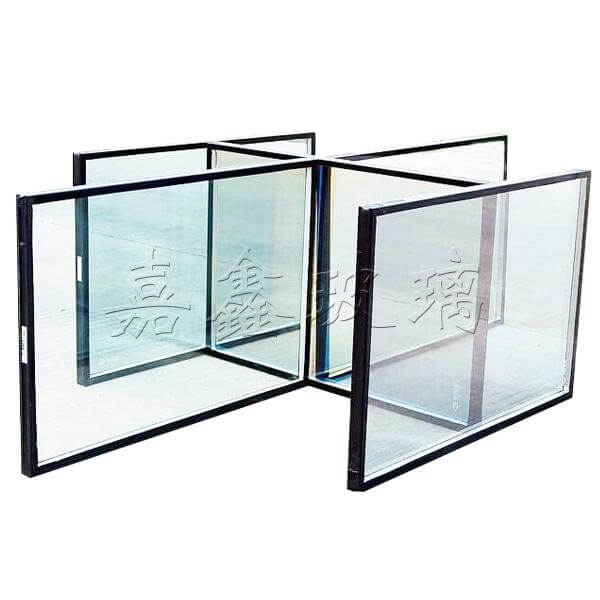
Partition glass is rarely a standard product. The size of each panel follows the layout, the frame depth follows the system, and the fire separation intent follows the building design. A supplier that quotes only from a fixed catalogue leaves the coordination work to the buyer, while a supplier built around custom work takes part in resolving it.
The practical difference shows up in several places: how quickly technical questions are answered, how clearly deviations are flagged before production, and how consistently units arrive across multiple deliveries. These are the points that often decide whether a partition installation runs smoothly or needs repeated site visits.
What to Review Before Comparing Suppliers
Review capability, consistency, communication, change control and delivery planning before comparing prices. A supplier that performs well across all of these is easier to work with than one that is only cheapest on paper. The order of review matters, because a price without these answers is not comparable between suppliers.

Capability means knowing which processing steps happen in-house. Cutting, tempering, laminating, insulating and assembly each add a handover point when they are outsourced, and every handover is a chance for delay or mismatch. Asking for a clear process map is a quick way to see how much of the work a supplier actually controls.
Consistency covers how quality is checked from the first unit to the last. It is worth asking what is inspected, at which stage, and what happens when a unit does not conform. Change control is the other half: how a revised drawing is logged, who approves it, and how the change reaches the production line without confusion.
Delivery planning is often overlooked. Partition glass is bulky, easily damaged and sequence-dependent, so packing, marking and shipping order all affect site progress. A supplier that plans delivery around the installation sequence reduces the amount of glass stored on site and the risk of damage before it is fitted.
How Fire-Rated Partition Glass Is Used in Partitions and Smoke Zones
Fire-rated partition glass is used where a space has to be divided for fire safety while still keeping daylight and visual connection. Typical positions include corridor and room partitions, fire compartments between different areas of a building, and smoke curtains that limit smoke spread. In each case the glass has to work together with the frame and the surrounding construction.
For fire partitions, the glass is normally specified together with the frame system, the fixing method and the joint details. A partition that looks correct on a drawing can still fail on site if the glass and the frame are purchased separately. Coordinating them at the design stage is a practical way to reduce gaps, mismatch and remakes.
Smoke curtains and fire compartments place different demands on the glass. Smoke curtains need to stay visually light while forming a barrier above or beside an opening, and fire compartments need the glass to maintain the separation between zones. Fire-rated glass is expected to provide fire resistance and still preserve the transparency the design relies on, so the specification should be confirmed against the project’s fire safety requirements before production begins.
Related Glass Types That Support Partition Projects
Partition work rarely stands alone, and projects usually need several glass families from the same partner. Bringing these together at one deep-processing supplier simplifies coordination, because sizes, tolerances and delivery sequences can be planned together instead of being matched afterwards between separate vendors.
Jiangyin Jiaxin Glass Products Co., Ltd. is a deep-processing glass enterprise located in Gushan Town, Jiangyin, serving residential, commercial and public venue projects in the building and home decoration sectors. Its product range covers Low-E coated glass, insulating glass with integral blinds, insulating glass, laminated glass, fire-rated glass, tempered glass and composite glass assembled from these products.
- Energy-saving insulating glass, including Low-E, integral blind and grille versions, for doors, windows and building curtain walls
- Tempered and laminated glass for balustrades, stair rails, floor-to-ceiling windows and skylights
- Bent tempered and bent insulating glass for curved walls, arched openings and curved canopies
- Fire-rated glass for fire partitions, fire compartments and smoke curtains
- Composite glass assembled from the above where a project needs combined performance
Questions to Ask Before Placing a Custom Order
A short, structured question list saves time later, because most disputes in custom glass trace back to assumptions that were never written down. Asking these questions before an order is confirmed makes the supplier’s scope visible and gives both sides a shared reference point during production and delivery.
- Which processing steps are completed in your own plant, and which are outsourced?
- How are drawings and revisions approved before production starts?
- How is the fire separation intent translated into a specific glass construction?
- What is the inspection routine during processing and before packing?
- How are units marked, packed and sequenced for site delivery?
- Who is the single point of contact if a delivered unit does not match the approved drawing?
FAQ
What does a fire-rated partition glass custom manufacturer actually do?
A custom manufacturer turns a project’s partition layout and fire separation requirements into finished glass units rather than shipping only standard sizes. The work usually covers specification review, advice on feasible constructions, processing, quality checking and delivery sequencing. The exact scope depends on the supplier and should be confirmed in writing before an order is placed.
How do I compare a fire-rated partition glass source factory with a trading supplier?
A source factory controls more of the processing steps in its own plant, while a trading supplier relies on third parties. Comparing the two means asking which operations are done in-house, how changes are handled, and who is accountable for non-conforming units. Direct access to production usually makes technical questions faster to resolve.
What should I prepare before contacting a fire-rated partition glass made-to-order manufacturer?
Prepare the layout drawings, the fire separation intent, the sizes and the expected delivery sequence before the first conversation. Clear information about how the partition will be framed and installed also helps. The more complete the brief, the faster a supplier can confirm what is feasible and what needs adjustment.
How does a fire-rated partition glass bespoke manufacturer handle non-standard partition layouts?
A bespoke manufacturer reviews the drawing set first, then confirms which constructions suit the required fire separation and the available frame system. Non-standard widths, heights and joints are resolved at the detailing stage rather than on site. Early involvement reduces the risk of remakes and site delays.
What should I confirm with a fire-rated partition glass tailor-made manufacturer before delivery?
Confirm the approved drawings, the unit marking system, the packing method and the delivery sequence before production finishes. Also confirm who inspects the units on arrival and how discrepancies are reported. These points are easier to settle in advance than after the glass has left the plant.
Summary
A fire-rated partition glass custom manufacturer is worth evaluating on capability, consistency and communication rather than on price alone. Confirm what is processed in-house, how drawings are approved, how quality is checked and how delivery is sequenced. When these points are clear before the order, the partition glass is far more likely to arrive as specified and to fit the frame it was designed for.