
An anti-smash laminated glass company supplies laminated safety glass and related processed glass for buildings where impact resistance and fragment retention matter. Choosing one means reviewing product scope, processing capability, application support, and communication rather than relying on a single marketing claim.
What an Anti-Smash Laminated Glass Company Provides
An anti-smash laminated glass company is a glass processor that supplies laminated glass and related safety glass products for construction and home decoration. Its role is to match glass type, processing, and application needs with a project’s safety, light, and design requirements.
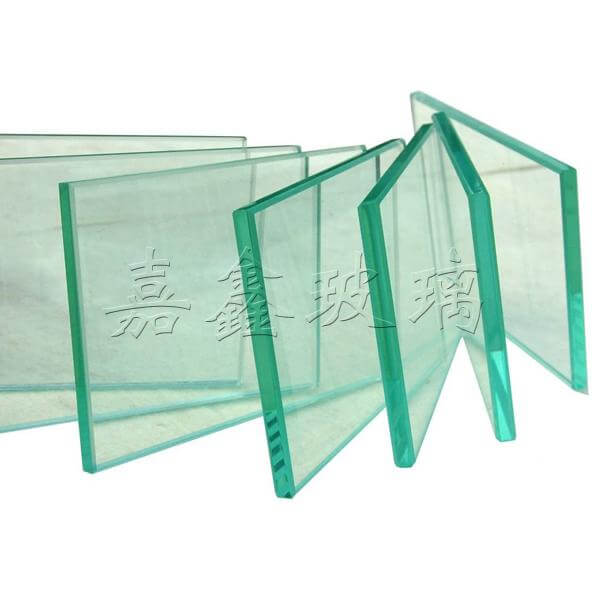
Jiangyin Jiaxin Glass Products Co., Ltd. is a deep-processing glass enterprise located in Hongdou Village, Gushan Town, Jiangyin City. The company focuses on construction and home decoration glass and states that it works with technical talent, processing equipment, and scientific management to support production efficiency and quality control. Its product range includes Low-E coated glass, louvered insulating glass, insulating glass, laminated glass, fire-resistant glass, tempered glass, and composite glass made from these products.
Safety Glass Product Scope
Laminated glass is the product behind the anti-smash term. When broken by impact, laminated glass is designed to hold fragments together and reduce the risk of sharp pieces flying. Tempered glass is also part of the safety protection series and is used as a base safety material in building applications.
Energy and Comfort Products
Insulating glass supports comfort and energy goals in doors, windows, and curtain walls. Jiaxin Glass offers ordinary insulating glass, Low-E insulating glass, built-in louver insulating glass, and grille insulating glass. These products are described as helping block heat exchange, reduce air-conditioning and heating energy use, weaken outside noise, and support shading, light adjustment, and decorative grille effects.
Fire-Resistant Glass
Fire-resistant glass is the company’s special function product. It is used in fire partitions, fire compartments, and smoke curtains, and it is intended to combine fire resistance with light transmission so that a space does not lose its visual openness.
How to Evaluate a Glass Supplier
Evaluating a glass supplier starts with product fit, processing range, customization support, and communication quality. A supplier that handles several glass categories can coordinate related requirements, while clear project discussion helps confirm what is feasible for the application before production.
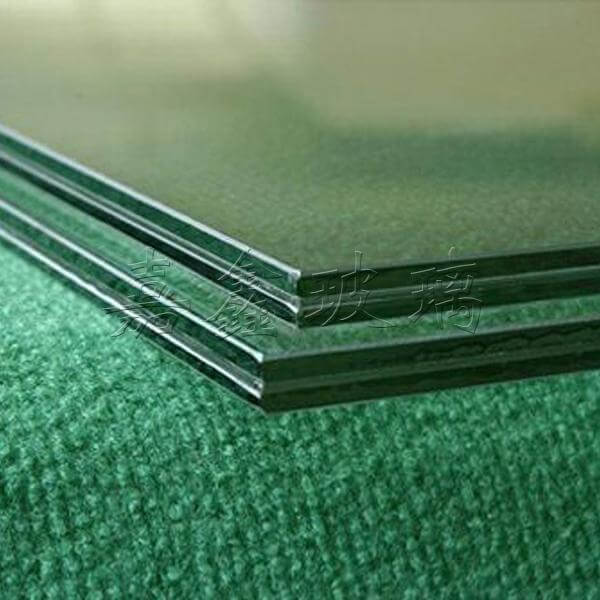
Product fit is the first filter. A project that needs impact resistance and fragment retention should discuss laminated glass, while a project that needs thermal and acoustic control should review insulating glass options. When fire separation is part of the design, fire-resistant glass belongs in the conversation. The supplier should be able to explain how its available categories relate to the application without pushing one product for every case.
Processing range matters because safety glass is rarely used alone. Tempered glass, laminated glass, insulating glass, and composite glass may need to work together in doors, windows, curtain walls, railings, and skylights. A supplier that processes these categories can review the combination as one package instead of treating each pane as an isolated item.
Applications That Call for Laminated Safety Glass
Laminated safety glass is relevant wherever impact resistance and fragment retention are priorities. In residential and public buildings, it is used in balcony railings, stair railings, floor-to-ceiling windows, and skylights, where broken glass behavior and occupant protection are part of the design intent.
These applications do not all place the same demands on a glass package. A railing may prioritize edge condition and fixing details, while a skylight may prioritize overhead safety and supporting details. The supplier should discuss the application, not only the glass category, so that processing and installation interfaces are considered together.
- Balcony railings and stair railings where barrier safety matters.
- Floor-to-ceiling windows that combine large glazing with safety requirements.
- Skylights and overhead glazing where fragment retention is important.
- Fire partitions, fire compartments, and smoke curtains when fire-resistant glass is specified.
- Curved walls, arched doors and windows, and curved canopies when shaped glass is required.
Custom Glass and Project Communication
Custom glass support depends on a processor’s range and on clear information from the project team. Curved tempered glass and curved insulating glass can be customized to different arcs and arch heights, allowing the glass to fit cylindrical walls, arched doors and windows, and curved canopies while retaining safety, energy, and acoustic functions.
Custom work needs more than a product name. The supplier needs the intended application, the shape and interface requirements, and a clear decision path for approvals. Good communication reduces the risk of misunderstandings between design intent and production capability, especially when several glass categories are combined in one project.
Jiaxin Glass describes its approach as customer first and quality assurance. For buyers, that statement is most useful when it is supported by clear answers, consistent documentation, and a realistic discussion of what the production team can process for the project at hand.
FAQ
The questions below address common search concerns about company scope, supplier selection, the contact process, product choice for safety applications, and custom support. Each answer provides a direct starting point for a more detailed project discussion with a glass supplier.
What is an anti-smash laminated glass company?
An anti-smash laminated glass company is a glass processor that supplies laminated safety glass and related processed glass for construction and home decoration projects.
Which anti-smash laminated glass supplier is good for a construction project?
A good supplier matches the glass product to the application, explains its processing range clearly, and supports project communication from inquiry to delivery.
How can I contact an anti-smash laminated glass company?
Use the contact details published by the company, then share the application, glass category, project location, and required timing so the supplier can respond with relevant information.
Which anti-smash laminated glass product is better for safety applications?
For impact resistance and fragment retention, laminated glass is the relevant choice; tempered glass is a base safety material used in railings, stairways, floor-to-ceiling windows, and skylights.
Can an anti-smash laminated glass company support curved or custom projects?
Custom support depends on the processing range; a company that offers curved tempered glass and curved insulating glass can review curved designs for cylindrical walls, arched doors, and curved canopies.
Summary
When selecting an anti-smash laminated glass company, match the glass category to the application and confirm the supplier’s processing range, customization support, and communication process. A company that can explain laminated, tempered, insulating, curved, and fire-resistant options in project terms is easier to evaluate than one that offers only a generic product description.
Jiangyin Jiaxin Glass Products Co., Ltd. presents a product range that covers safety, energy, curved, and fire-resistant glass categories for construction and home decoration. Buyers should still confirm project fit through direct discussion and request clear information on the specific product being considered.