
A custom anti-shatter laminated glass manufacturer should be selected by verifying glass composition, customization scope, processing capability, quality control, and project support. This guide explains how buyers can compare suppliers for building and home decoration projects without relying on unsupported claims or vague promises.
What a Custom Anti-Shatter Laminated Glass Manufacturer Should Provide
A custom anti-shatter laminated glass manufacturer supplies laminated glass made for specific project requirements, including safety performance, visible design, and installation context. The supplier should clarify how glass layers, interlayers, shapes, and edge conditions are matched to the intended use before production begins.
Buyers often see similar product names across suppliers, but the real difference lies in how a supplier defines its scope. A capable manufacturer should explain which glass types it can combine, how it handles customization requests, and what project information it needs before quoting. Clear answers at this stage reduce misunderstandings later.
A useful first conversation should cover more than a price list. The supplier should ask where the glass will be installed, how it will be supported, whether the design is flat or curved, and what adjacent materials will touch the glass. These questions show whether the supplier is thinking about project fit rather than only selling sheets.
- Clear definition of laminated glass construction and available combinations with tempered, insulating, or fire-resistant glass.
- A documented customization process for shapes, dimensions, openings, and edge conditions.
- Practical guidance on how the glass will be installed, cleaned, and maintained.
- Transparent communication about production limits, approval steps, and project timelines.
Customization Scope and Project Fit
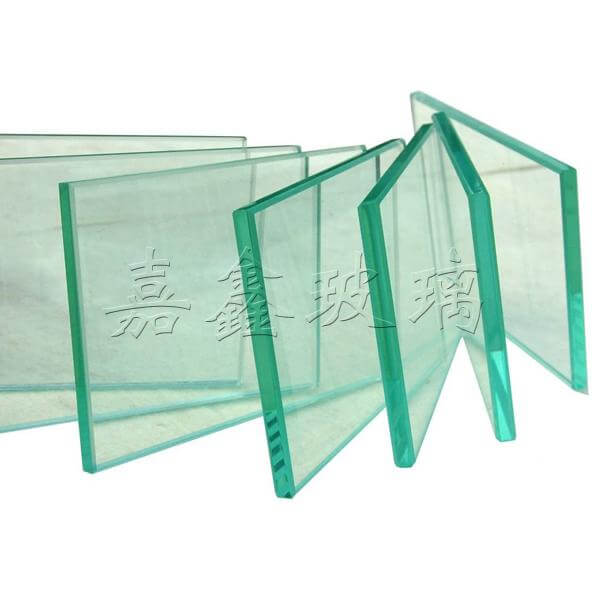
Customization scope shows whether a supplier can match glass to real project conditions rather than offering only standard sheets. A custom anti-shatter laminated glass manufacturer should ask about the installation location, visible design intent, surrounding materials, and maintenance access before recommending a glass build.
Projects in building and home decoration rarely share identical requirements. A supplier should be able to discuss flat and curved forms, framed and unframed edges, and the way glass will meet adjacent materials. When a supplier can translate design intent into a workable glass specification, the project team can compare options with fewer assumptions.
Customization also affects how safety and appearance work together. Laminated glass can be combined with other glass products to meet different project roles, such as acoustic control, thermal separation, or fire compartmentation. The supplier should explain these combinations in plain terms and identify where one product ends and another begins.
Processing Capability and Quality Control
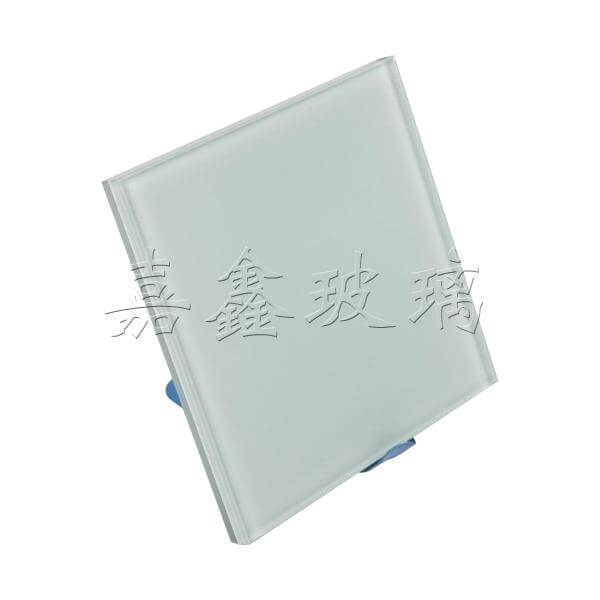
Processing capability and quality control determine whether a supplier can reproduce the approved glass consistently across a project. Buyers should look for a clear production flow, defined inspection points, and a communication path for handling deviations before delivery, rather than only a list of machines.
Deep-processed glass often passes through cutting, edging, tempering, lamination, insulation, and assembly steps. The exact route depends on the final product, but the supplier should be able to explain the sequence and the checks applied at each stage. This explanation helps buyers judge whether the supplier understands cause and effect, not just product names.
Quality control should be visible in the supplier’s working method. A serious supplier will define what is inspected, who records the result, and how nonconforming items are handled. Buyers do not need to audit every step, but they should understand how the supplier prevents an approved sample from drifting during mass production.
How to Compare Custom Anti-Shatter Laminated Glass Manufacturer Options
Comparing a custom anti-shatter laminated glass manufacturer requires a consistent checklist rather than a single price comparison. Buyers should evaluate scope, processing control, communication, documentation, and after-sales support in the same order for every supplier so that differences are visible.
A useful comparison starts with the same project brief sent to every supplier. When each supplier answers the same questions, the buyer can see which one asks better questions, identifies risks earlier, and explains trade-offs clearly. A supplier that only returns a price without discussing project fit leaves too much unresolved.
Documentation should be practical. Buyers should ask how the supplier records approved samples, changes, and delivery checks. Clear records reduce disputes and make it easier to confirm that the delivered glass matches the agreed scope.
- Same project brief and same question set for every supplier.
- Clear explanation of glass composition and product combinations.
- Defined customization steps and approval points.
- Visible quality control and deviation handling.
- Realistic communication about lead times and delivery coordination.
Applications That Shape Supplier Selection
Applications shape supplier selection because anti-shatter laminated glass may serve visible, structural, or safety-related roles in a building. The supplier should understand how the glass will be used and which adjacent products will affect performance, installation, and maintenance.
In building and home decoration projects, laminated glass is often used where impact risk and fragment control matter. Common contexts include balcony railings, stair railings, floor-to-ceiling windows, skylights, and other visible building elements. The supplier should discuss these contexts without treating every application as identical.
The surrounding glass system also matters. Laminated glass may be combined with tempered glass, insulating glass, low-emissivity insulating glass, louvered insulating glass, or fire-resistant glass. A supplier that understands these combinations can help the project team avoid mismatched expectations between safety, energy, acoustic, and design goals.
FAQ
What does a custom anti-shatter laminated glass manufacturer do?
A custom anti-shatter laminated glass manufacturer produces laminated glass for specific project requirements, including safety, visible design, and installation context. The work usually covers glass selection, customization review, processing coordination, and delivery preparation.
How can buyers evaluate a quality anti-shatter laminated glass manufacturer?
Buyers should evaluate glass composition, customization scope, processing capability, quality control, and project support before placing an order. A consistent checklist makes supplier answers easier to compare.
Why does customization matter when choosing a custom anti-shatter laminated glass manufacturer?
Customization matters because building and home decoration projects often require specific shapes, openings, and safety layouts that standard glass cannot fit. A supplier should translate these needs into a workable glass build before production.
What should a made-to-order anti-shatter laminated glass manufacturer confirm before production?
A made-to-order anti-shatter laminated glass manufacturer should confirm design intent, glass composition, edge conditions, and installation context before production. Confirming these points early reduces the risk of costly changes later.
Can anti-shatter laminated glass support both safety and design goals?
Yes. Laminated glass can reduce sharp-fragment risk while still allowing design flexibility for visible building elements. The supplier should explain how the chosen build balances safety, appearance, and installation needs.
Summary
Choosing a custom anti-shatter laminated glass manufacturer is a structured decision, not a price-only comparison. Buyers should confirm scope, processing control, communication, documentation, and application fit before approving production. A supplier that explains its method clearly is easier to trust with safety-related glass work.