
A double low-E insulating glass processing factory turns coated glass into sealed insulating units that cut heat transfer and noise. Selecting one comes down to product range, customization capability, and consistent process control, so the units you receive match the drawings, climate needs, and installation conditions of your project.
What a Double Low-E Insulating Glass Processing Factory Does
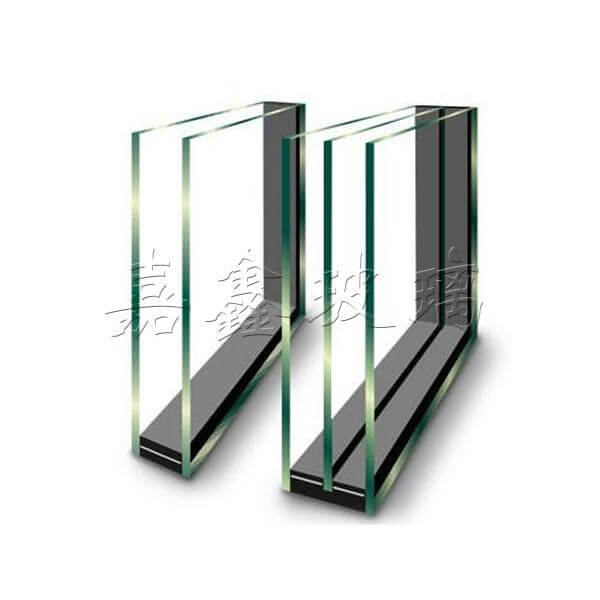
A double low-E insulating glass processing factory applies low-emissivity coatings to glass and assembles those panes into sealed insulating units. The coating lowers radiative heat exchange, while the insulating cavity slows conduction, so the finished unit reduces both cooling and heating load in doors, windows, and curtain walls.

The factory role matters because a finished unit is only as consistent as the coating and assembly behind it. Jiangyin Jiaxin Glass Products Co., Ltd. is a processing enterprise in Gushan Town, Jiangyin, working in construction and home decoration glass. Its energy-saving insulating glass series covers ordinary insulating glass, low-E insulating glass, louvered insulating glass, and grid-bar insulating glass, all built for doors, windows, and building curtain walls.
The company states that it brings in technical specialists, adopts processing equipment, and applies a structured management approach, with attention to staff training and production efficiency. For a buyer, that translates into a single source that can discuss coating choices, cavity options, and unit handling in the same conversation, instead of splitting one order across several suppliers.
Coating, Cavity, and Options That Change Performance
Options inside the cavity change what a unit can do. A louvered unit adds adjustable shading and light control, while a grid-bar unit restores a divided-light appearance without a second frame. Low-E coatings reduce radiative heat exchange so the assembly lowers cooling and heating demand, and the insulating cavity also weakens outside noise.
- Ordinary insulating glass for standard doors and windows.
- Low-E insulating glass for reduced heat exchange between indoors and outdoors.
- Louvered insulating glass, which adds shading and light control inside the cavity.
- Grid-bar insulating glass, which reproduces a divided-light pattern within the sealed unit.
From Insulating Units to Safety, Curved, and Fire-Resistant Glass
Insulating glass rarely travels alone in a project. A processing factory that also produces tempered, laminated, curved, and fire-resistant glass can supply the safety glazing for balustrades and skylights, the curved units for arched openings, and the fire-resistant partitions that one building typically needs.
Tempered and laminated glass form the safety side of the range. They are described as base safety materials for construction: they resist impact better, and when broken they do not throw sharp fragments, which lowers the risk of cuts and other injuries. Typical positions are balcony railings, stair balustrades, floor-to-ceiling windows, and skylights, where the glass is close to people.
Curved glass covers the shapes that flat units cannot follow. Curved tempered glass and curved insulating glass are made to the curvature and rise a design calls for, for cylindrical walls, arched doors and windows, and curved canopies, while the finished unit keeps safety, energy, and acoustic performance in place.
Fire-resistant glass is the special-function product in the range. It is described as offering compliant fire-retardant performance that can meet fire acceptance requirements while staying transparent. It is used for fire partitions, fire compartments, and smoke curtains, so a space can remain open and visible without losing its fire separation.
| Product Family | What It Covers | Where It Is Used |
|---|---|---|
| Energy-saving insulating glass | Ordinary, low-E, louvered, and grid-bar insulating units | Doors, windows, and building curtain walls |
| Safety glass | Tempered glass and laminated glass | Balcony railings, stair balustrades, floor-to-ceiling windows, skylights |
| Curved glass | Curved tempered glass and curved insulating glass | Cylindrical walls, arched doors and windows, curved canopies |
| Fire-resistant glass | Fire-resistant glazing that keeps transparency | Fire partitions, fire compartments, smoke curtains |
Where Double Low-E Insulating Glass Delivers the Most Value
Low-E insulating glass pays off where glass area is large and indoor comfort matters. In homes, commercial buildings, and public venues, the coated unit limits heat exchange through doors, windows, and curtain walls, weakens outside noise, and, with louver or grid options, adds shading and a decorative divided-light look.
The practical gain shows up in two ways. First, the unit resists heat exchange between indoors and outdoors, which lowers the cooling and heating energy a building needs across the seasons. Second, the same assembly weakens outside noise, which matters wherever sound would otherwise reach the interior through large glazed areas.
Decorative needs are covered without a separate product line. Louvered units provide shading and light adjustment, while grid-bar units reproduce a divided-light pattern that suits both renovation work and period-style interiors. Because these options sit inside the sealed unit, the façade keeps one clean surface instead of adding external shading devices or applied bars.
Matching Each Unit to Its Position in the Building
Matching the unit type to the location is usually the deciding factor in a mixed order. A balcony railing calls for safety glass, an arched opening calls for a curved unit, a fire compartment calls for fire-resistant glazing, and a large window or curtain wall calls for an insulating unit with the coating and cavity options the specification asks for.
This is where a single source saves time. One supplier that covers insulating, safety, curved, and fire-resistant glass can align edge details, delivery order, and handling instructions across all the glazed areas of a project, rather than leaving the coordination to several unrelated suppliers.
FAQ
What does a double low-E insulating glass processing factory produce?
It produces sealed insulating units made from coated glass, and it can add louver or grid-bar options. The low-E coating lowers radiative heat exchange and the insulating cavity slows conduction, so the finished unit reduces both cooling and heating load in doors, windows, and curtain walls.
Can a double low-E insulating glass processing factory also supply safety and fire-resistant glass?
It can when its range includes those product families. Tempered and laminated glass cover the safety positions such as railings, balustrades, floor-to-ceiling windows, and skylights, while fire-resistant glass covers fire partitions, fire compartments, and smoke curtains.
Which options are available for insulating glass units?
Four options are described in the range: ordinary insulating glass, low-E insulating glass, louvered insulating glass with internal shading, and grid-bar insulating glass with a divided-light pattern. Each targets a different balance of energy performance, light control, and appearance.
How is curved glass made to fit a design?
It is produced to the curvature and rise that the design specifies. Curved tempered glass and curved insulating glass suit cylindrical walls, arched doors and windows, and curved canopies, and the finished unit keeps its safety, energy, and acoustic functions.
Where is insulating glass used in a building?
Mainly in doors, windows, and building curtain walls. Because it resists heat exchange and weakens outside noise, it is used in homes, commercial buildings, and public venues where large glazed areas would otherwise raise cooling and heating demand and let outside sound in.
Summary
A double low-E insulating glass processing factory should match three things to your project: the insulating unit types you need, the customization the design asks for, and the safety or fire-resistant glass that surrounds it. Jiangyin Jiaxin Glass Products Co., Ltd., based in Gushan Town, Jiangyin, works in construction and home decoration glass, and its range covers energy-saving insulating, safety, curved, and fire-resistant products. Starting from the drawings and the position of each unit keeps the selection simple and the order consistent.