
Safety glazing is no longer a secondary detail in modern construction. Architects, façade contractors, fabricators, and project buyers increasingly specify laminated glass because it keeps broken fragments bonded to an interlayer, reducing the risk of sharp pieces falling from balconies, stair railings, skylights, curtain walls, and floor-to-ceiling windows. For buyers who need consistent quality, custom dimensions, and coordinated delivery, working with an experienced anti-shatter laminated glass manufacturer can simplify specification, sampling, production, and installation planning.
Jiangyin City Jiaxin Glass Products Co., Ltd. is a professional deep-processing glass enterprise located in Hongdou Village, Gushan Town, Jiangyin City, Jiangsu Province. The company focuses on architectural and home-decoration glass, with a product range that includes Low-E coated glass, blinds-between-glass insulating units, insulating glass, laminated glass, fire-rated glass, tempered glass, and composite glass made from these products. This integrated product range allows project teams to source safety glazing, energy-efficient glazing, and decorative glass from a single anti-shatter laminated glass supplier rather than coordinating multiple workshops.
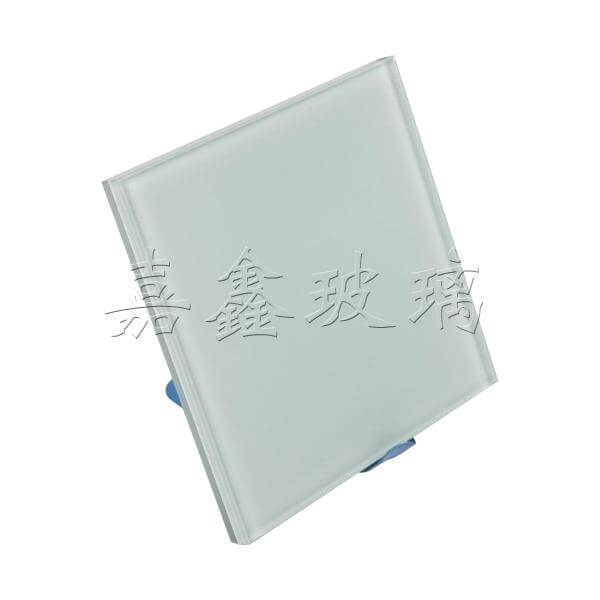
What Is Anti-Shatter Laminated Glass and How Does It Protect Building Occupants?
Anti-shatter laminated glass is made by bonding two or more glass panes together with a transparent interlayer under controlled heat and pressure. The most common interlayers are PVB and SGP, and the finished product behaves differently from monolithic glass or ordinary tempered glass. When the glass is struck or cracks under load, the interlayer holds the fragments in place, preventing large sharp pieces from falling away from the opening. This retained integrity is the core safety benefit that buyers look for when selecting an impact-resistant laminated glass product.
Tempered glass is also a safety glass, but its failure mode is different. Tempered glass breaks into small granular pieces, which reduces cutting risk, yet the broken pane can lose structural integrity and leave the opening exposed. Laminated glass, especially tempered laminated glass, combines the strength of heat-treated glass with the fragment retention of lamination. For balcony railings, stair guards, overhead glazing, and high-traffic commercial façades, this combination is often the preferred specification.
Project specifications may reference standards such as EN 12600 for pendulum impact classification, ANSI Z97.1 for safety glazing, or other regional building codes. Buyers should confirm the required impact class, glass make-up, interlayer type, and documentation package during the quotation stage. A professional anti-shatter laminated glass factory should be able to review drawings, clarify tolerances, and advise on practical glass build-ups rather than simply quoting a generic panel.
How the Interlayer Influences Performance
The interlayer is not a thin adhesive film added for convenience; it is a functional component that affects post-break integrity, edge stability, acoustic behavior, and optical clarity. Standard PVB is widely used for architectural laminated glass and offers good adhesion, transparency, and fragment retention. SGP interlayers are often selected where higher stiffness and post-break load retention are important, such as structural glazing or overhead applications. The right choice depends on the opening size, support conditions, wind load, and safety requirements.
Why Anti-Shatter Glass Matters in Public and Residential Buildings
Broken glass injuries often occur not from the initial impact but from fragments falling after the pane fails. This is particularly relevant in schools, hospitals, shopping centers, airports, office towers, residential towers, and public venues where large numbers of people move near glass surfaces. Laminated safety glass helps reduce this risk by keeping fragments attached to the interlayer, giving building owners and facility managers a more predictable failure mode.
Why Source Anti-Shatter Laminated Glass from a Specialist Manufacturer?
Purchasing laminated glass is not only a matter of choosing a thickness and a price. The quality of lamination depends on glass edge preparation, interlayer handling, autoclave control, cleanliness, and inspection. A specialist anti-shatter laminated glass manufacturer can control these variables across the entire process, from cutting and edging to tempering, lamination, insulating-unit assembly, and final packing. This is especially important when the same project requires laminated glass, Low-E insulating glass, fire-rated glass, and curved glass in coordinated sizes.
Jiangyin Jiaxin Glass Products emphasizes the introduction of advanced processing equipment and scientific management practices, and it continues to improve production efficiency and quality control. For international buyers, this deep-processing focus means the supplier can support custom sizes, mixed-product orders, and project-specific packing plans. The company is located in Jiangyin, Jiangsu Province, a region with established glass processing and export logistics infrastructure, which can support efficient delivery to overseas construction projects.
Deep Processing and Product Integration
Many architectural projects require more than one glass type. A residential tower may need Low-E insulating glass for windows, laminated glass for balcony railings, tempered glass for shower enclosures, and fire-rated glass for compartmentation. A commercial façade may combine laminated safety glass, insulating glass, and decorative blinds-between-glass units. Working with a manufacturer that produces these categories in-house reduces the risk of inconsistent colors, mismatched dimensions, and fragmented delivery schedules.
Jiaxin’s product scope includes Low-E coated glass, blinds-between-glass insulating glass, insulating glass, laminated glass, fire-rated glass, tempered glass, and composite glass. This allows the supplier to discuss complete glazing packages rather than isolated panels. For buyers sourcing safety glazing, the ability to combine laminated glass with Low-E coatings or insulating cavities is particularly useful because it addresses safety, energy efficiency, and acoustic comfort in one specification.
Quality Control Points That Matter
When evaluating an anti-shatter laminated glass supplier, buyers should look beyond a product list and ask how the factory controls the critical process steps. Edge quality is important because chips and cracks can propagate during tempering or in service. Interlayer moisture content, dust control, and autoclave temperature and pressure curves affect adhesion and optical quality. Final inspection should check bubbles, delamination, interlayer displacement, dimensional tolerance, hole and notch quality, and edge polishing.
Anti-Shatter Laminated Glass Applications: Balconies, Stairs, Skylights, and Curtain Walls
Laminated safety glass is used wherever human impact, falling objects, or overhead glazing create a risk of injury. The product is not limited to one building type; it appears in residential, commercial, hospitality, healthcare, education, and public infrastructure projects. The common thread is a requirement for safety, transparency, and predictable post-break behavior.
Residential Balcony Railings and Stair Guards
Balcony railings and stair guards are among the most common applications for anti-shatter glass for balcony railings. In residential buildings, frameless or semi-frameless glass balustrades are popular because they preserve views and daylight. However, the glass must be specified correctly for the fixing method, handrail loads, wind pressure, and human impact. Laminated glass helps retain fragments if the panel is accidentally struck, which is especially valuable in family homes, apartments, and townhouses.
Floor-to-Ceiling Windows and Shopfronts
Large glass windows and shopfronts may be exposed to accidental impact from people, trolleys, furniture, or cleaning equipment. Laminated glass can reduce the risk of a complete pane falling away after breakage. In commercial streets and retail environments, this added safety layer supports building owners and tenants who need durable, easy-to-maintain glazing.
Skylights, Canopies, and Overhead Glazing
Overhead glazing carries a higher safety expectation because broken glass could fall onto people below. Laminated glass for skylights is therefore a common specification, often as tempered laminated glass or laminated glass in an insulating unit. The glass build-up must consider snow load, wind uplift, thermal stress, frame details, and access for maintenance. For this reason, overhead applications should be reviewed with the glass supplier at an early design stage.
Curtain Walls and Commercial Façades
Curtain walls combine architectural appearance with weather resistance, thermal performance, and safety. Laminated glass can be used as the inner or outer pane of an insulating glass unit, or as a monolithic safety pane in certain façade zones. When combined with Low-E coatings, the assembly can contribute to solar control and energy efficiency while retaining safety performance. Buyers should specify the exact make-up and confirm whether the laminated pane is tempered, heat-strengthened, or annealed.
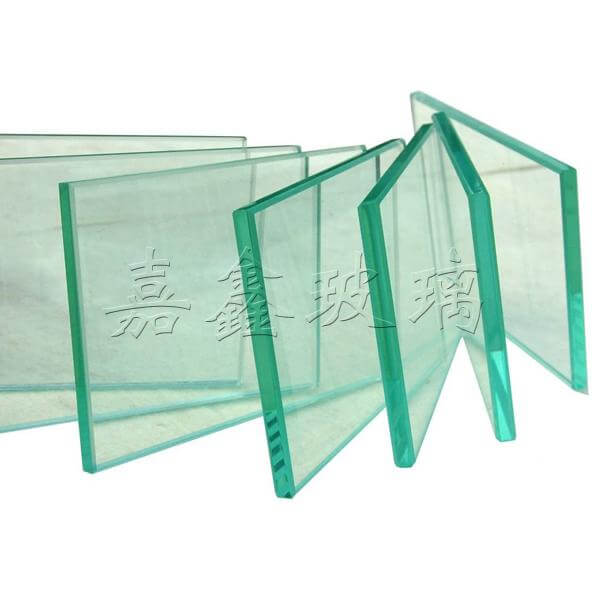
How to Specify and Select the Right Laminated Glass Configuration
Selecting laminated glass requires a balance of safety, structural performance, optical quality, thermal performance, and budget. A common mistake is to focus only on total thickness while ignoring the interlayer type and the glass substrate. The following table summarizes typical architectural build-ups and their general application areas. Final specifications should always be confirmed against local codes, structural calculations, and project requirements.
| Glass Build-Up | Typical Nominal Thickness | Common Interlayer | Suitable Applications |
|---|---|---|---|
| 3 mm + 3 mm | 6.38 mm | 0.38 mm PVB | Interior partitions, small decorative panels, furniture applications |
| 4 mm + 4 mm | 8.38 mm | 0.38 mm or 0.76 mm PVB | Shopfronts, interior glazing, small windows, decorative laminated panels |
| 5 mm + 5 mm | 10.38 mm or 11.52 mm | 0.76 mm PVB or 1.52 mm PVB | Balcony guards, stair railings, windows, medium-size façade panels |
| 6 mm + 6 mm | 12.38 mm or 13.52 mm | 0.76 mm or 1.52 mm PVB | Large balustrades, skylights, canopies, high-wind façades |
| Tempered 6 mm + tempered 6 mm | 12.38 mm or 13.52 mm | 0.76 mm or 1.52 mm PVB | Overhead glazing, balustrades, curtain walls, high-safety zones |
| Tempered 8 mm + tempered 8 mm | 16.38 mm or 17.52 mm | 1.52 mm PVB or SGP | Large structural glazing, long balustrades, demanding commercial façades |
Choosing Between PVB and SGP
PVB is the most widely used interlayer for architectural laminated glass and is available in different thicknesses to suit impact and structural requirements. SGP is often chosen when greater stiffness, better post-break performance, or enhanced structural behavior is needed. For balcony railings, the interlayer thickness and glass substrate should be selected together with the fixing detail; a thicker interlayer alone does not compensate for an inadequate glass build-up. For overhead glazing, the project engineer should review the complete assembly.
Combining Lamination with Low-E and Insulating Glass
Energy efficiency and safety often need to be addressed in the same window or façade unit. A Low-E laminated insulating glass assembly can combine a Low-E coating for solar control with a laminated pane for safety. The laminated pane may be placed on the interior or exterior side depending on the design intent, climate, and safety strategy. Jiaxin’s product range includes Low-E glass, insulating glass, and laminated glass, allowing these combinations to be discussed as a coordinated package rather than separate purchases.
Edge Work, Holes, and Dimensional Tolerances
Custom laminated glass often requires polished edges, cut-outs, holes for brackets, and notches for hardware. These details must be reviewed before production because they affect tempering feasibility, edge strength, and lamination quality. Buyers should provide detailed shop drawings with dimensions, tolerances, and hardware references. A reliable custom laminated glass supplier will flag potential issues such as holes too close to the glass edge or inconsistent radius requirements before the glass is cut.
Anti-Shatter Laminated Glass Supplier Comparison: What to Verify Before Ordering
Price is only one factor in supplier selection. The total cost of a glazing package includes rework, breakage, delayed installation, and after-sales support. A structured comparison helps buyers avoid suppliers that can quote a low price but cannot maintain consistency across a large order. The checklist below can be used during factory evaluation and sample approval.
| Verification Item | What to Check | Why It Matters |
|---|---|---|
| Product scope | Laminated, tempered, insulating, Low-E, fire-rated, and curved glass capability | Reduces coordination risk when one project needs multiple glass types |
| Sample approval | Color, coating, interlayer, edge finish, and dimensional check | Provides a physical reference before mass production |
| Process control | Edge quality, autoclave records, interlayer storage, cleanliness | Directly affects delamination, bubbles, and long-term durability |
| Inspection standard | Bubble, scratch, coating, and dimensional acceptance criteria | Prevents disputes and rework after shipment |
| Packing and export | End caps, interleaving paper, crates, labels, loading plan | Reduces breakage and improves site receiving efficiency |
Request the Right Documentation
Depending on the destination market, buyers may need test reports, declaration documents, packing lists, or compliance information for safety glazing. The exact documentation package should be agreed before the order is placed. When a project specifies impact classification or fire performance, the buyer should confirm that the proposed product and documentation meet the relevant local requirements. A well-prepared anti-shatter laminated glass manufacturer will ask for the project location, applicable code, and acceptance criteria at the inquiry stage.
Evaluate Communication and Engineering Support
Glass orders often involve last-minute drawing changes, hardware adjustments, and delivery sequencing. Suppliers that respond clearly to technical questions and provide marked-up drawings can reduce installation risk. During supplier evaluation, send a real shop drawing with edge details, holes, and a mixed glass schedule. The quality of the response is often a better indicator of future cooperation than a generic catalogue.
Cost Drivers and Quotation Tips for Impact-Resistant Laminated Glass
Quotations for laminated glass price can vary significantly because several variables affect the final cost. Buyers should request a breakdown by glass type, thickness, interlayer, size, quantity, and processing so that different offers can be compared fairly. A low unit price may exclude edge polishing, special packing, or testing documentation, leading to unexpected costs later.
- Glass substrate: annealed, heat-strengthened, or tempered glass affects processing cost and performance.
- Interlayer type and thickness: PVB, SGP, and thicker interlayers change material cost and lamination complexity.
- Size and quantity: oversize panels, small batch sizes, and mixed dimensions influence cutting efficiency and packing.
- Edge work and holes: polishing, drilling, notches, and cut-outs add processing steps and require careful quality control.
- Coating and combination: Low-E coatings, insulating units, and blinds-between-glass assemblies increase complexity.
- Packing and freight: export crates, end caps, and long-distance transport need to be included in the total landed cost.
For project budgeting, ask the supplier to quote alternative build-ups where appropriate. For example, a balcony railing specification may be optimized by adjusting glass thickness, interlayer thickness, and fixing detail together. The goal is not simply to choose the cheapest panel but to select a build-up that satisfies safety, structural, and installation requirements without unnecessary over-specification.
Installation and Maintenance Best Practices for Laminated Safety Glass
Correct installation protects the performance of laminated glass. Panels should be carried with proper lifting equipment, stored on clean A-frames, and protected from edge damage. Glazing blocks, setting blocks, and clearance gaps should follow the façade or railing system design. Excessive contact between glass edges and hard metal surfaces can create stress concentrations that lead to breakage after installation.
For balustrades and railings, the base shoe or clamp detail must be installed according to the system supplier’s instructions. For skylights and canopies, drainage and ventilation details should prevent prolonged water exposure at the glass edge. During cleaning, avoid abrasive pads and harsh chemicals that could damage coatings or interlayer edges. Regular inspection of seals, gaskets, and fixing hardware helps identify issues before they affect the glass assembly.
FAQ
What is anti-shatter laminated glass and how is it different from ordinary glass?
Anti-shatter laminated glass consists of two or more glass panes bonded with a PVB or SGP interlayer. When the glass breaks, the interlayer holds the fragments together, reducing the risk of sharp pieces falling from the opening. Ordinary monolithic glass breaks into large, sharp pieces, while tempered glass breaks into small granules but may still leave the opening exposed. Laminated glass, especially tempered laminated glass, combines fragment retention with enhanced strength.
Can Jiaxin produce anti-shatter laminated glass in custom sizes and combined units?
Jiangyin Jiaxin Glass Products supports custom deep-processed glass for architectural and home-decoration projects. Laminated glass can be produced in project-specific dimensions, thicknesses, and interlayer options, and it can be combined with Low-E coatings or insulating glass to create composite units. Holes, notches, polished edges, and mixed glass schedules can be reviewed against the drawings. Curved or highly complex inquiries should be discussed with the factory so that feasibility and tooling requirements can be confirmed.
Which interlayer should I choose for balcony railings or skylights?
Balcony railings and skylights require careful specification because they are exposed to human impact, wind, or overhead safety risk. PVB is widely used for architectural laminated glass, while SGP may be selected where higher stiffness and post-break performance are needed. The interlayer should be chosen together with the glass thickness, panel size, fixing method, and applicable safety standard. Buyers should provide drawings and project requirements so that the factory can recommend a suitable build-up.
How can I verify laminated glass quality before shipment?
Buyers can request pre-production samples, dimensional inspection, edge quality checks, and visual inspection for bubbles, delamination, scratches, and interlayer displacement. Where project specifications require test reports or compliance documents, the documentation package should be confirmed before production. A factory visit or third-party inspection can also review cutting, tempering, lamination, insulating-unit assembly, and packing processes.
What factors affect the price of impact-resistant laminated glass?
The main cost drivers include the glass substrate, interlayer type and thickness, panel size, order quantity, edge processing, holes and cut-outs, coating options, insulating-unit assembly, packing, and freight. A quotation should clearly state the glass make-up, interlayer, dimensions, processing, acceptance criteria, and packing method so that different suppliers can be compared on a like-for-like basis.
How should anti-shatter laminated glass be installed and maintained?
Laminated glass should be lifted and stored with suitable equipment, protected from edge damage, and installed with the correct setting blocks, clearances, and fixing hardware according to the system design. Cleaning should avoid abrasive materials and harsh chemicals that could damage coatings or interlayer edges. Regular inspection of gaskets, seals, and fixings helps maintain long-term performance and allows early identification of potential issues.
Summary
Choosing the right anti-shatter laminated glass is a specification decision, not just a purchasing decision. Buyers need to understand the difference between laminated and tempered glass, select the correct interlayer and glass build-up, confirm how the product will be installed, and evaluate whether the supplier can control quality from cutting to packing. Jiangyin City Jiaxin Glass Products Co., Ltd. offers a broad deep-processing glass range that includes laminated glass, tempered glass, Low-E glass, insulating glass, blinds-between-glass units, fire-rated glass, and composite products for architectural and home-decoration applications.
For projects involving balcony railings, stair guards, floor-to-ceiling windows, skylights, canopies, or commercial façades, working with an experienced anti-shatter laminated glass manufacturer helps reduce technical risk and improve coordination. Buyers should compare suppliers on process control, engineering support, sample approval, documentation, packing, and total landed cost. A clear specification and a supplier that responds to technical details will deliver better long-term value than a quotation based on price alone.