
When buyers search for an anti-shatter laminated glass manufacturer, they are usually looking for more than a glass supplier. They need a production partner who understands safety glazing, building applications, project coordination, and the practical details that affect installation and long-term performance. Anti-shatter laminated glass is widely used where ordinary glass could create a safety risk if broken, especially in balcony railings, stair guards, full-height windows, skylights, canopies, and public-facing commercial spaces.
Jiangyin Jiaxin Glass Products Co., Ltd. is a professional deep-processing glass company located in Gushan Town, Jiangyin City, Jiangsu Province. The company focuses on glass products for construction and home applications, including Low-E coated glass, venetian blind insulating glass, insulating glass, laminated glass, fire-resistant glass, tempered glass, and composite glass made from these product types. For international buyers, Jiaxin Glass can serve as an anti-shatter laminated glass supplier and production partner for project-specific glass requirements, with a product portfolio that supports both safety and energy-performance goals.
What Is Anti-Shatter Laminated Glass and Why Does It Matter?
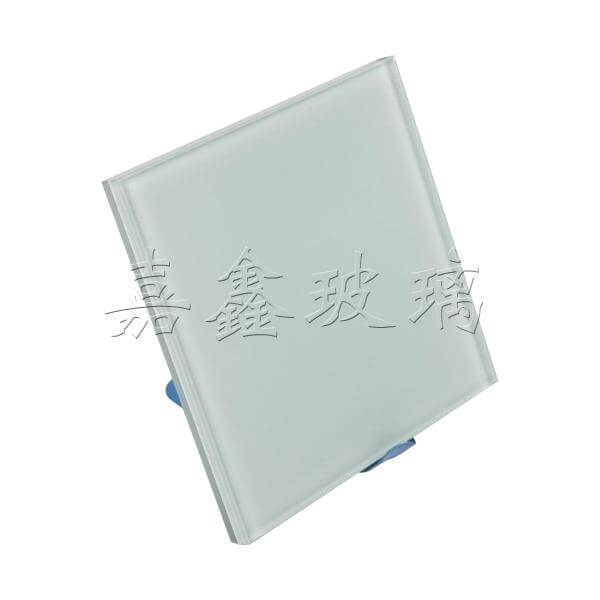
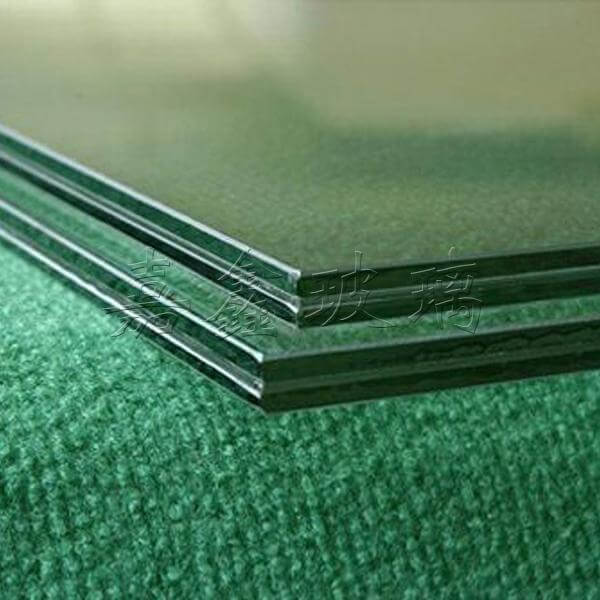
Anti-shatter laminated glass is a type of safety glass made by bonding two or more glass panes with a durable interlayer. When the glass is subjected to impact, the interlayer helps hold the broken pieces together instead of allowing sharp fragments to fall or fly away. This behavior is the main reason laminated glass is specified for areas where people may be close to the glass, where falling glass could create a hazard, or where the building envelope must maintain a safer post-breakage condition.
The term anti-shatter is practical rather than a single formal product standard. In real projects, the performance of laminated safety glass depends on the glass type, glass thickness, interlayer material, pane configuration, edge treatment, and the way the glass is installed. A qualified anti-shatter laminated glass manufacturer should therefore clarify the intended application before recommending a configuration. For example, a balcony railing may require different considerations from an overhead skylight, and a commercial storefront may need a different balance of safety, appearance, and thermal performance.
It is also important to understand what laminated glass is not. Anti-shatter laminated glass helps reduce the risk of glass fragments causing injury, but it should not automatically be treated as bullet-resistant, blast-resistant, or forced-entry glazing. Where specialized security performance is required, the project specification should state the relevant standard and performance level. Jiaxin Glass approaches laminated glass as a safety and architectural glazing solution, and project requirements should be confirmed through technical review before production.
Anti-Shatter Laminated Glass Applications in Buildings
Safety laminated glass for balcony railings and stair guards is one of the most common applications. In residential buildings, hotels, offices, and public spaces, glass balustrades can create an open visual effect while providing a protective barrier. If the glass breaks, the laminated structure helps keep the pane in place, reducing the immediate risk of large sharp pieces entering the walking area. The exact configuration should be selected with attention to fixing method, glass edge condition, and local building requirements.
Laminated glass for skylights, canopies, and overhead glazing is another important use. Because overhead glass can pose a greater risk when damaged, designers often prefer laminated safety glass or laminated composite glass. In these applications, the glass may need to combine safety with thermal control, solar control, or acoustic performance. Jiaxin Glass can produce laminated glass and combine it with other product types, such as Low-E insulating glass or tempered glass, to support a more complete building envelope solution.
Anti-shatter glass for windows is also relevant in floor-to-ceiling windows, storefronts, entrance doors, and areas close to pedestrian traffic. In commercial buildings, laminated glass can help maintain a safer boundary between indoor and outdoor spaces after accidental impact. For public buildings, schools, clinics, and transport-related facilities, buyers often ask for laminated safety glass because it supports maintenance planning and risk management. The final choice should always be based on the actual project specification rather than a generic product label.
- Balcony railings, stair railings, and glass guards
- Full-height windows and large fixed glazing
- Skylights, canopies, and overhead architectural glass
- Commercial entrances and street-level storefronts
- Public buildings and areas with high pedestrian activity
- Composite glazing that combines safety with Low-E, insulating, or decorative functions
Product Options from a Professional Anti-Shatter Laminated Glass Factory
An experienced impact-resistant laminated glass factory should be able to discuss several production routes rather than offering one fixed product. The right option depends on whether the project prioritizes safety, thermal insulation, acoustic comfort, design appearance, or a combination of these factors. Jiaxin Glass works with laminated glass as part of a broader deep-processing portfolio, which allows buyers to coordinate safety glazing with tempered glass, insulating glass, Low-E coated glass, venetian blind insulating glass, fire-resistant glass, and curved glass requirements.
Common Laminated Glass Configurations for B2B Projects
| Configuration | Main Benefit | Typical Use | Buyer Check |
|---|---|---|---|
| Standard laminated safety glass | Holds broken glass together through the interlayer | Windows, partitions, railings, and general safety glazing | Confirm interlayer type, glass thickness, and edge requirements |
| Tempered laminated glass | Combines higher glass strength with laminated safety behavior | Commercial buildings, entrances, large glazing, and high-traffic areas | Confirm tempering, interlayer, and project performance requirements |
| Low-E laminated insulating glass | Supports safety glazing plus thermal insulation and solar control | Energy-conscious windows, curtain walls, and premium facades | Review coating position, cavity design, and climate requirements |
| Curved laminated glass | Provides safety glazing for non-flat architectural forms | Curved facades, arched windows, canopies, and feature structures | Provide drawings, radius, pattern, and installation constraints |
For tempered laminated glass for commercial buildings, the buyer should define the required glass build-up and the expected visual appearance. Tempered glass offers strength, while the laminated interlayer supports post-breakage safety. In facade projects, the design team may also request Low-E laminated insulating glass to reduce heat gain and improve energy efficiency. Jiaxin Glass can discuss these combinations as part of an integrated glazing package, but final specifications should be verified against the project drawings and applicable local codes.
A strong anti-shatter laminated glass brand is not built on a single product name. It is built on consistent production control, clear communication, accurate drawings, reliable packing, and the ability to coordinate multiple glass types within one order. Buyers comparing an anti-shatter laminated glass producer should ask how the factory handles glass matching, interlayer selection, edge work, drilling, cutouts, and delivery planning. These details often have a greater effect on project success than a generic sales claim.
How to Choose the Right Anti-Shatter Laminated Glass Supplier
Choosing a supplier begins with a clear technical brief. The buyer should provide application details, opening dimensions, glass position, expected loads, nearby activities, and any relevant building requirements. A reliable anti-shatter laminated glass manufacturer will ask questions rather than immediately quoting a standard panel. This is especially important for railings, overhead glazing, and large commercial installations, where the fixing system and glass support conditions can affect the overall solution.
Technical communication is another key factor. The supplier should be able to read architectural drawings, confirm dimensions, discuss glass build-ups, and identify conflicts before production. For international buyers, responsiveness matters because time zones and language differences can create delays. Jiaxin Glass emphasizes professional talent, advanced processing equipment, and scientific management practices, which support the company in handling customized glass requirements and maintaining production efficiency.
When requesting a laminated safety glass quotation, include the following information to reduce back-and-forth and improve accuracy:
- Project location and intended application, such as railing, window, skylight, or facade
- Glass dimensions, quantity, and drawings or opening schedules
- Required glass composition, including tempered, Low-E, insulating, or curved elements
- Edge treatment, holes, cutouts, and corner details
- Color, coating, interlayer appearance, and any visual mock-up requirement
- Delivery destination, packing method, and expected shipment schedule
- Applicable standards, performance requirements, and inspection documents
A custom laminated glass producer should also explain packing and transport protection. Glass is heavy and fragile during handling, so edge protection, separation between panes, and suitable crating are important for overseas delivery. Buyers should confirm whether the supplier can support container loading, mixed-product orders, and replacement planning. These practical points are part of choosing a dependable architectural laminated glass company, not just a price list.
Installation and Maintenance Guidance for Safety Laminated Glass
Correct installation is essential for anti-shatter laminated glass performance. Glass should be installed according to the approved shop drawings and the fixing system supplier’s instructions. Edges should be protected from damage, and the glass should not be forced into a frame or clamped in a way that creates concentrated stress. For railings and guards, the connection between glass and base shoe, brackets, or clamps must be suitable for the design and should be confirmed by the responsible engineer.
During handling, workers should use appropriate suction cups, lifting equipment, and personal protective equipment. Glass should be stored vertically with proper support and separated to prevent surface-to-surface contact. After installation, the glass surface can be cleaned with a mild glass cleaner and a soft cloth or squeegee. Abrasive pads, harsh chemicals, and tools that may damage the Low-E coating or interlayer edges should be avoided. For insulated laminated units, the sealant and cavity should be inspected periodically for damage.
Maintenance planning should include regular visual checks of edges, seals, fixings, and visible glass surfaces. If a pane is damaged, the building owner should restrict access to the area and seek professional assessment. Because laminated glass may remain in place after breakage, it can sometimes look intact while losing structural integrity. This is why post-damage inspection and timely replacement are important for safety-critical applications such as overhead glazing and public railings.
Why Work with Jiaxin Glass as Your Anti-Shatter Laminated Glass Manufacturer
Jiangyin Jiaxin Glass Products Co., Ltd. is located in Gushan Town, Jiangyin City, close to a developed glass processing and building materials region. The company focuses on deep-processed glass for construction and home applications and offers a product range that includes Low-E glass, venetian blind insulating glass, insulating glass, laminated glass, fire-resistant glass, tempered glass, and composite glass. This range allows buyers to source multiple glazing products from one anti-shatter laminated glass company while coordinating safety, energy efficiency, and architectural appearance.
The company states that it absorbs professional technical talent, introduces advanced processing equipment, and adopts scientific management while investing in staff development and production efficiency. For buyers, these capabilities support clearer technical review, more consistent processing, and better coordination on customized orders. Jiaxin Glass follows the principle of customer first and quality assurance, and it welcomes cooperation with partners who value long-term supply relationships.
For projects that require safety glazing, the company can discuss laminated glass in combination with tempered glass, Low-E insulating glass, fire-resistant glass, and curved glass. Buyers should provide detailed drawings and performance requirements so that the final specification can be reviewed properly. Whether the inquiry is for a single product type or a mixed package, the starting point should be a clear application brief and an open technical conversation with the manufacturer.
FAQ
What is anti-shatter laminated glass used for?
Anti-shatter laminated glass is used where broken glass could create a safety risk. Common applications include balcony railings, stair guards, full-height windows, skylights, canopies, commercial entrances, and public building glazing. The laminated interlayer helps hold glass fragments together after impact, reducing the risk of sharp pieces falling or flying away.
How do I choose a reliable anti-shatter laminated glass manufacturer?
Check whether the manufacturer asks detailed application questions, reviews drawings carefully, explains glass build-ups clearly, and provides accurate quotations. Confirm its experience with laminated glass, tempered glass, insulating glass, Low-E glass, and custom processing. Also review packing, delivery planning, communication responsiveness, and whether the factory can support project-specific inspection requirements.
Can anti-shatter laminated glass be combined with Low-E or insulating glass?
Yes. Laminated safety glass can be combined with Low-E coated glass and insulating glass to support safety, thermal insulation, and solar control in one glazing system. The exact build-up, coating position, cavity design, and interlayer should be confirmed according to the project location and performance requirements.
Is laminated glass the same as tempered glass?
No. Tempered glass is heat-treated to increase glass strength, while laminated glass uses an interlayer to bond glass panes together. They serve different functions and can also be combined as tempered laminated glass. The right choice depends on the application, safety requirements, fixing method, and project specification.
Can Jiaxin Glass produce custom laminated glass for overseas projects?
Jiaxin Glass offers laminated glass as part of its deep-processing glass range and can discuss customized requirements such as dimensions, glass combinations, edge work, and coordination with other product types. Buyers should provide drawings, quantities, destination, and performance requirements so the company can review the request and prepare a suitable quotation.
What information is needed for a laminated safety glass quotation?
Provide the application, glass dimensions, quantity, drawings, required composition, edge treatment, holes or cutouts, color or coating requirements, delivery destination, packing needs, and any applicable standards. Clear information helps the manufacturer quote accurately and reduces the risk of production delays.
Summary
Anti-shatter laminated glass is an important safety glazing solution for modern buildings, especially in railings, windows, skylights, canopies, and high-traffic commercial areas. Selecting the right product requires more than comparing names or prices. Buyers should review the application, glass composition, interlayer, fixing method, installation conditions, and maintenance plan together with a capable anti-shatter laminated glass manufacturer.
Jiangyin Jiaxin Glass Products Co., Ltd. supports construction and home glass projects with a product portfolio that includes laminated glass, tempered glass, Low-E glass, insulating glass, fire-resistant glass, and composite glass. By combining technical communication, deep-processing capability, and a customer-first approach, Jiaxin Glass aims to be a dependable anti-shatter laminated glass supplier for domestic and international B2B buyers. For project-specific requirements, the most effective next step is to share drawings and application details for a professional review and quotation.