
Safety glass is no longer a premium option reserved for landmark towers. In modern residential, commercial, and public buildings, laminated glass has become a baseline requirement for balconies, stair railings, floor-to-ceiling windows, skylights, and curtain walls. For architects, contractors, fabricators, and distributors, the real challenge is not simply buying glass — it is finding an anti-smash laminated glass manufacturer that can consistently deliver the right construction, the right interlayer, and the right level of customization for each project.
Jiangyin Jiaxin Glass Products Co., Ltd. is a deep-processing glass enterprise located in Gushan Town, Jiangyin City. The company focuses on architectural and home-decoration glass processing, with a product range that includes Low-E coated glass, blinds-insulated glass, insulating glass, laminated glass, fire-resistant glass, tempered glass, and composite glass made from these base products. This article explains how building laminated glass performs, where it is used, how to compare interlayers, and what international buyers should look for when evaluating a laminated glass supplier or factory.
What Is Anti-Smash Laminated Glass and Why Does It Matter?
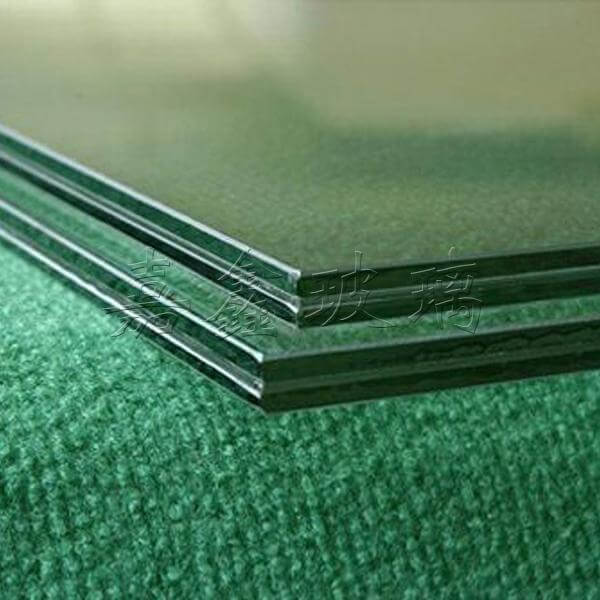
Laminated glass is produced by bonding two or more glass panes together with a transparent interlayer under heat and pressure. When the glass breaks, the interlayer holds the fragments in place instead of allowing sharp pieces to fly apart. This is the core reason laminated glass is classified as safety glass and why it is widely specified for areas where people may come into contact with the glass surface.
The term “anti-smash” refers to the practical result rather than a single standard: the assembly resists impact, and if breakage occurs, it remains intact in the frame for a period of time. That behavior is critical in balcony railings, stairwells, school corridors, shopping malls, gyms, and any location where accidental or deliberate impact is a realistic risk. For buyers, the key question is not whether a product is called “anti-smash,” but whether the glass buildup, interlayer type, thickness, and edge quality are appropriate for the intended load and exposure.
A professional building laminated glass supplier should be able to explain the difference between temporary protection and long-term structural integrity. A thin interlayer may hold fragments after breakage but deflect excessively under wind load or human impact. A well-engineered laminate balances glass thickness, interlayer stiffness, edge distance, and support conditions so that the finished unit performs predictably throughout its service life.
Inside the Product Range: More Than Just Laminated Glass
Laminated glass rarely travels alone in a real building envelope. It is usually combined with other glass products to meet thermal, acoustic, and fire-safety requirements at the same time. A capable anti-smash laminated glass factory should therefore be able to supply laminated glass as a standalone product and as part of composite buildups.
At Jiangyin Jiaxin Glass Products Co., Ltd., the processing scope covers several product families that can be combined into project-specific solutions. Low-E coated glass helps control solar heat gain and reduce cooling loads. Insulating glass improves thermal insulation and can incorporate Low-E coatings, blinds, or decorative grids. Tempered glass provides the base strength for safety glazing, while fire-resistant glass addresses compartmentation and smoke control. Laminated glass can be produced with tempered panes, Low-E panes, or as part of an insulating glass unit, depending on what the project needs.
This matters to buyers because sourcing from a single deep-processing partner reduces coordination risk. When laminated glass, insulating glass, and tempered glass come from different suppliers, tolerances, edge work, and delivery schedules can diverge. A manufacturer that handles multiple glass processes under one roof can control dimensional consistency and provide a more reliable custom laminated glass solution for complex facades and interior fit-outs.
Core laminated glass options for architectural projects
- Tempered laminated glass: combines high base strength with fragment retention, suitable for railings, balustrades, and large glazed areas.
- Low-E laminated glass: pairs solar control with safety performance for energy-conscious building envelopes.
- Laminated insulating glass: integrates a laminated safety pane into an insulating glass unit for thermal and impact performance.
- Decorative laminated glass: can incorporate colored interlayers, printed films, or patterned glass for design-driven interiors.
Performance Comparison: PVB, SGP, and Standard Laminated Glass
Not all laminated glass behaves the same way. The interlayer is the decisive component for post-breakage performance, and the choice between PVB, SGP, and other interlayers should be driven by the application rather than by price alone. PVB is the most common interlayer for architectural laminated glass and offers good adhesion, acoustic benefits, and excellent clarity. SGP (sentinel glass ply) provides higher stiffness and better post-breakage load retention, which is often preferred for structural or high-impact applications.
The table below summarizes the general differences that buyers should discuss with a laminated glass manufacturer before finalizing specifications. Actual performance depends on glass thickness, interlayer thickness, pane configuration, support conditions, and project-specific requirements.
| Parameter | Standard PVB Laminated Glass | SGP Laminated Glass |
|---|---|---|
| Interlayer stiffness | Moderate; suitable for most architectural glazing | High; better load retention after breakage |
| Typical applications | Windows, interior partitions, balustrades, shopfronts | Structural glazing, high-impact areas, overhead glazing |
| Acoustic performance | Good with appropriate interlayer grades | Good; depends on buildup and frame sealing |
| Edge stability | Requires proper edge sealing in humid environments | Generally more resistant to edge effects |
| Cost level | Lower to moderate | Higher |
For many residential and commercial projects, PVB laminated glass provides an excellent balance of safety, clarity, and cost. For canopies, structural glass fins, and locations with severe impact or overhead risk, SGP may be the more appropriate choice. The right answer depends on the structural calculation, local building codes, and the intended use of the space.
Where Building Laminated Glass Is Used
Laminated glass is specified wherever glass must remain in place after breakage. In residential buildings, it is common in balcony railings, stair balustrades, floor-to-ceiling windows, and glass doors. In commercial buildings, it appears in curtain walls, atriums, elevator lobbies, and partition systems. In public projects, it is used in schools, hospitals, sports facilities, and transport hubs where crowd safety is a priority.
For balcony and railing applications, the glass is often tempered and laminated, with the interlayer providing residual strength if the tempered pane breaks. For overhead glazing such as skylights and canopies, the design usually requires a laminated pane on the lower side to prevent fragments from falling. For fire-rated compartments, laminated glass may be combined with fire-resistant glass technology to meet both safety and fire performance requirements.
A reliable laminated safety glass for balcony railings supplier should ask about the fixing method, edge clearance, wind load, and barrier height before recommending a buildup. These details determine whether a 6+6 mm laminate is sufficient or whether a thicker, stiffer assembly is needed. The same logic applies to curtain walls, where thermal movement, building sway, and wind pressure all affect the glass and its seals.
How to Choose an Anti-Smash Laminated Glass Manufacturer
Choosing a supplier is not only a price exercise. The total cost of a failed or delayed glass package is far higher than a small unit-price difference. Buyers should evaluate a factory on processing capability, quality control, communication, and the ability to support project-specific requirements.
Start with the product scope. A manufacturer that also produces insulating glass, tempered glass, Low-E glass, and fire-resistant glass can often provide a more coordinated package for facades and interiors. Next, ask how the factory controls interlayer quality, autoclave parameters, edge polishing, and dimensional tolerance. For custom projects, request shop drawings and confirm how the factory handles radius corners, cut-outs, holes, and edge work.
Finally, evaluate the supplier’s responsiveness. A good anti-smash laminated glass manufacturer will ask questions about the application rather than simply quoting a price per square meter. They will flag potential risks such as edge distance, frame restraint, thermal stress, and delivery packaging. That technical dialogue is a strong indicator of whether the factory can support international projects reliably.
Supplier evaluation checklist
- Product range: laminated, tempered, insulating, Low-E, and fire-resistant glass available from one deep-processing source.
- Customization: ability to handle non-standard sizes, shapes, holes, cut-outs, and composite buildups.
- Quality control: documented inspection of glass thickness, interlayer cleanliness, edge quality, and dimensional accuracy.
- Packaging and logistics: export-grade crating, edge protection, and clear loading plans for international shipments.
- Technical support: guidance on buildup selection, structural considerations, and installation constraints.
- Quotation clarity: itemized specifications, exclusions, lead times, and payment terms stated in writing.
When requesting a laminated glass price and quotation, provide the glass type, total thickness, maximum size, quantity, interlayer preference, edge treatment, and destination port. If the glass will be part of an insulating glass unit, state the cavity thickness and whether a Low-E coating or blinds are required. The more complete the information, the more accurate and comparable the quotation will be.
Installation, Handling, and Maintenance Tips
Even the best laminated glass can underperform if it is incorrectly installed. Laminated glass should be supported on all edges with appropriate setting blocks, and the frame must allow for thermal movement without pinching the glass. Avoid direct contact between glass edges and hard metal surfaces; use compatible gaskets and sealants. For balcony railings, confirm that the base fixing and glass clamps are designed for the actual barrier load.
During handling, never lift laminated glass by the edges without protection. Edge chips can propagate and reduce the residual strength of the laminate. Store panels vertically on padded racks and keep them dry. During installation, check that drainage paths in the frame are not blocked, especially for insulating glass units and laminated glass used in humid or rainy climates.
Routine maintenance is straightforward. Clean glass with a mild detergent and water, avoid abrasive pads, and inspect seals and gaskets annually. For laminated glass exposed to strong sunlight, check for interlayer discoloration or edge delamination during inspections. If a pane is broken but remains intact, replace it promptly rather than relying on the interlayer as a permanent load-bearing element.
FAQ
What is anti-smash laminated glass, and how does it differ from ordinary glass?
Anti-smash laminated glass consists of two or more glass panes bonded with a polymer interlayer. Ordinary monolithic glass breaks into loose fragments, while laminated glass holds the fragments together after impact. This reduces the risk of sharp pieces falling or flying, and it keeps the opening partially closed until the glass can be replaced.
How do I choose a reliable building laminated glass manufacturer?
Check the manufacturer’s product range, customization capability, quality control process, export packaging, and technical responsiveness. A reliable supplier will ask about the application, support conditions, and project requirements rather than quoting only on thickness and price. Request specifications, drawings, and lead times in writing before placing an order.
Which is better for safety applications: PVB or SGP laminated glass?
PVB is suitable for most architectural glazing, including windows, balustrades, and partitions. SGP offers higher stiffness and better post-breakage load retention, making it preferable for structural glazing, overhead applications, and high-impact areas. The final choice should be based on structural calculations, local codes, and the specific location of the glass.
Can laminated glass be combined with Low-E or insulating glass?
Yes. Laminated glass can be produced with Low-E coated panes and can also be incorporated into insulating glass units. This allows a single assembly to provide safety, thermal insulation, and solar control. The exact buildup should be confirmed with the manufacturer to ensure compatibility of coatings, interlayers, and cavity design.
What information should I provide to get an accurate laminated glass quotation?
Provide the glass type, total thickness, interlayer preference, maximum dimensions, quantity, edge treatment, hole and cut-out drawings, destination port, and required delivery date. If the glass is part of an insulating glass unit, include cavity thickness and coating requirements. Complete information helps the factory quote accurately and avoid later changes.
Summary
Anti-smash laminated glass is a practical safety solution for balconies, railings, curtain walls, skylights, and public buildings. Its performance depends on the glass buildup, interlayer selection, edge quality, and installation details — not on a generic product label. Buyers who understand these variables can specify the right product and avoid costly replacements or safety compromises.
Jiangyin Jiaxin Glass Products Co., Ltd. operates as a deep-processing glass enterprise in Gushan Town, Jiangyin City, supplying laminated glass alongside Low-E glass, insulating glass, tempered glass, fire-resistant glass, and composite glass products. For international buyers seeking a building laminated glass supplier with customization capability and coordinated product support, a technical conversation about the project is the best starting point. Share the application, dimensions, and performance requirements, and request a detailed quotation that reflects the actual glass buildup rather than a simplified per-square-meter price.