
When it comes to building safety, fire protection is one of the most critical considerations for architects, contractors, and property owners worldwide. Among various fire safety solutions, Class B fire-resistant glass stands out as an essential component for modern construction projects. This comprehensive guide explores everything you need to know about Class B fire-resistant glass, from its technical specifications to practical applications in building design.

Understanding Class B Fire-Resistant Glass
Class B fire-resistant glass is a specialized type of safety glass designed to withstand fire exposure for a specified duration while maintaining its structural integrity and preventing the spread of flames and smoke. This classification indicates that the glass can resist fire for at least 60 minutes (1 hour), making it suitable for various building applications where fire compartmentalization is required.
The primary function of Class B fire-resistant glass is to create fire barriers that compartmentalize buildings, slowing the spread of fire and allowing occupants more time to evacuate safely. This type of glass is particularly valuable in commercial buildings, high-rise structures, hospitals, schools, and other public facilities where fire safety is paramount.
Technical Specifications and Certification
Class B fire-resistant glass must meet stringent international standards to ensure its effectiveness in fire situations. The most common certification standards include:
- EN 357 (European standard for fire-resistant glass)
- GB 15763.1 (Chinese national standard for fire-resistant glass)
- ASTM E119 (American standard for fire tests of building construction materials)
These standards specify the test methods and performance requirements for fire-resistant glass, including:
- Integrity: The glass must remain intact without cracking or breaking
- Insulation: The glass must limit the transmission of heat to the non-fire side
- Radiation control: The glass must reduce the emission of thermal radiation
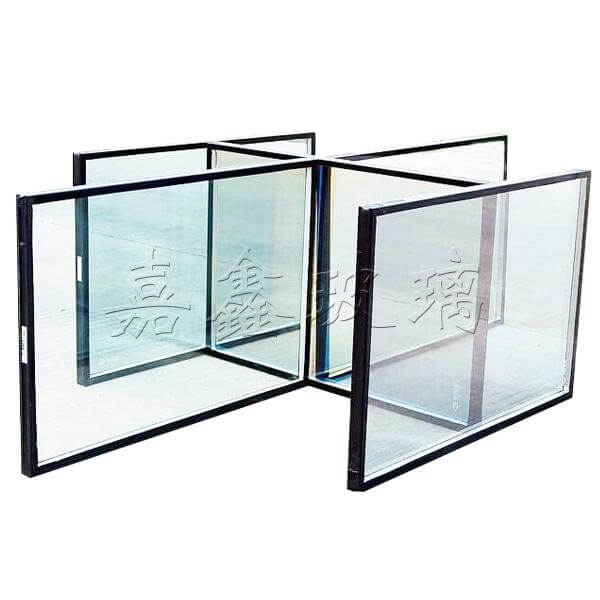
Class B fire-resistant glass typically consists of multiple layers of tempered glass with one or more interlayers of fire-resistant material. The exact composition varies by manufacturer but generally includes components like intumescent interlayers that expand when exposed to heat, creating an insulating barrier.
Applications of Class B Fire-Resistant Glass
The versatility of Class B fire-resistant glass makes it suitable for numerous applications in modern building design:
1. Fire Compartmentalization
Class B fire-resistant glass is commonly used to create fire-rated partitions, walls, and doors that divide buildings into fire compartments. This helps contain fires to specific areas, preventing their spread throughout the structure.
2. Building Facades
In high-rise buildings and commercial complexes, Class B fire-resistant glass can be incorporated into curtain wall systems to provide both aesthetic appeal and fire protection. This is particularly valuable in mixed-use developments where residential and commercial spaces coexist.
3. Interior Design Elements
Fire-resistant glass isn’t just functional—it can also enhance interior aesthetics. Class B fire-resistant glass can be used for:
- Fire-rated glass floors
- Smoke barriers in atriums
- Fire-resistant glass ceilings
- Decorative fire screens
4. Escape Routes
Stairwells, corridors, and other escape routes benefit from Class B fire-resistant glass as it maintains visibility during fires while preventing the spread of flames and smoke, ensuring safe evacuation paths.
5. Specialized Applications
In industries with specific fire safety requirements, such as chemical plants, power stations, or data centers, Class B fire-resistant glass provides critical protection for both personnel and valuable assets.
| Application | Class B Fire-Resistant Glass Benefit |
|---|---|
| Commercial Buildings | Enhances fire safety while maintaining open, modern design |
| High-Rise Structures | Provides critical protection in vertical evacuation routes |
| Healthcare Facilities | Ensures patient safety during fires while maintaining visibility |
| Educational Institutions | Protects students and staff while allowing for safe evacuation |
| Industrial Complexes | Provides specialized protection for hazardous areas |
Advantages of Class B Fire-Resistant Glass
Choosing Class B fire-resistant glass for your building project offers several significant advantages:
1. Enhanced Fire Safety
The primary benefit is the increased level of fire protection it provides. By containing fires and preventing their spread, Class B fire-resistant glass can save lives and reduce property damage in the event of a fire.
2. Compliance with Building Codes
Most jurisdictions have strict fire safety regulations that require specific fire-resistance ratings for certain building elements. Using Class B fire-resistant glass ensures compliance with these codes, avoiding potential legal issues and fines.
3. Natural Light Transmission
Unlike traditional fire barriers that are often opaque, fire-resistant glass allows natural light to penetrate deep into building interiors. This creates brighter, more pleasant spaces while reducing the need for artificial lighting.
4. Design Flexibility
Modern fire-resistant glass solutions offer excellent design flexibility. They can be incorporated into various architectural elements without compromising the overall aesthetic of the building.
5. Insurance Benefits
Buildings equipped with high-quality fire protection systems, including Class B fire-resistant glass, may qualify for lower insurance premiums due to their reduced risk profile.
6. Long-Term Cost Savings
While the initial cost of fire-resistant glass may be higher than standard glass, the long-term savings from reduced fire damage, lower insurance costs, and potential tax incentives can make it a cost-effective solution.
Choosing a Reliable Class B Fire-Resistant Glass Supplier
Selecting the right supplier for your fire-resistant glass needs is crucial for ensuring product quality and project success. Here are key factors to consider when evaluating potential suppliers:
1. Certification and Compliance
Ensure the supplier’s products meet all relevant international and local fire safety standards. Ask for certification documents and test reports to verify compliance.
2. Manufacturing Capabilities
Look for suppliers with advanced manufacturing facilities and quality control processes. This ensures consistent product quality and the ability to handle large-scale projects.
3. Product Range
A supplier with a wide range of fire-resistant glass products can offer solutions tailored to your specific project requirements, whether you need standard sizes or custom configurations.
4. Technical Expertise
Choose a supplier with knowledgeable technical staff who can provide expert advice on product selection, installation methods, and compliance with building codes.
5. Project Experience
Suppliers with experience in projects similar to yours will be better equipped to understand your needs and provide appropriate solutions.
6. After-Sales Support
Reliable after-sales support is essential for addressing any issues that may arise during or after installation. Look for suppliers who offer comprehensive warranty coverage and responsive customer service.
7. Competitive Pricing
While cost shouldn’t be the sole deciding factor, it’s important to find a supplier who offers competitive pricing without compromising on quality. Request detailed quotes from multiple suppliers for comparison.
FAQ
What is the difference between Class B and Class A fire-resistant glass?
The main difference lies in their fire-resistance duration. Class B fire-resistant glass provides protection for at least 60 minutes (1 hour), while Class A offers protection for 90 minutes or more. The choice between them depends on your specific building requirements and local fire safety regulations.
Can Class B fire-resistant glass be used for exterior applications?
Yes, Class B fire-resistant glass can be used in exterior applications such as building facades and fire-rated windows. However, it’s essential to ensure the glass meets additional requirements for weather resistance, UV protection, and thermal insulation when used externally.
How is Class B fire-resistant glass installed?
Installation methods vary depending on the specific product and application. Typically, fire-resistant glass is installed using special fire-rated frames and glazing systems designed to maintain the glass’s integrity during a fire. Professional installation by trained technicians is crucial to ensure proper performance.
Does Class B fire-resistant glass require special maintenance?
While fire-resistant glass doesn’t require extensive special maintenance, it should be inspected regularly for any damage or signs of wear. Cleaning should be done with non-abrasive materials to avoid scratching the glass surface, which could affect its performance in a fire.
Summary
Class B fire-resistant glass represents a critical component in modern building safety, offering effective fire protection while maintaining architectural aesthetics and functionality. By understanding its technical specifications, applications, and advantages, you can make informed decisions about incorporating this essential safety feature into your construction projects.
When selecting a Class B fire-resistant glass supplier, prioritize quality, certification, and technical expertise to ensure you receive products that meet the highest safety standards. Jiangyin Jiaxin Glass, with its commitment to quality and customer satisfaction, stands as a reliable choice for all your fire-resistant glass needs.
Investing in high-quality Class B fire-resistant glass is not just about compliance—it’s about protecting lives, property, and creating safer built environments for everyone. With the right products and installation, you can achieve both exceptional fire safety and stunning architectural design in your next project.