
When it comes to building safety, fire protection is one of the most critical considerations. Fire-resistant glass plays a vital role in preventing the spread of fire and smoke while maintaining visibility and structural integrity. Among various fire-resistant glass options, Class B fire-resistant glass stands out as a reliable solution for many construction applications. This comprehensive guide will explore everything you need to know about Class B fire-resistant glass, including its features, applications, selection criteria, and why Jiangyin Jiaxin Glass is your professional manufacturing partner.

Understanding Class B Fire-Resistant Glass
Class B fire-resistant glass is specifically designed to withstand fire exposure for a certain period while maintaining its structural integrity and preventing the passage of flames and hot gases. This type of glass is tested and classified according to international standards such as EN 13501 (European standard) or ASTM E119 (American standard), which define its fire-resistance rating.
The “Class B” designation typically indicates that the glass can withstand fire exposure for 60 minutes (though ratings may vary by region and standard). During this period, the glass remains intact, preventing fire from spreading to adjacent areas while allowing occupants to evacuate safely and firefighters to perform their duties.
Class B fire-resistant glass is commonly used in fire compartments, stairwells, corridors, and other areas where fire separation is required. It provides a balance between fire protection, optical clarity, and cost-effectiveness, making it a popular choice for many commercial and residential building projects.
Key Features of High-Quality Class B Fire-Resistant Glass
When selecting Class B fire-resistant glass for your construction project, several key features distinguish high-quality products from inferior alternatives:
1. Certified Fire Resistance
The most crucial feature is proper certification from recognized testing authorities. Reputable manufacturers like Jiangyin Jiaxin Glass provide Class B fire-resistant glass that has undergone rigorous testing and meets international standards such as EN 13501-2 or GB 15763.1 (Chinese national standard). Always request certification documents to verify the glass’s fire-resistance rating.
2. Multi-Layered Structure
Class B fire-resistant glass typically consists of multiple layers of glass with one or more intumescent interlayers. These interlayers expand when exposed to heat, forming an insulating barrier that protects the glass from breaking and prevents fire from penetrating. The exact composition may vary by manufacturer and product line.
3. Thermal Insulation Properties
In addition to preventing fire spread, high-quality Class B fire-resistant glass provides thermal insulation, reducing heat transfer to the non-fire side. This protects occupants from radiant heat and helps maintain structural integrity of surrounding materials.
4. Impact Resistance
Fire-resistant glass should also withstand normal impact loads without breaking. Look for products that meet safety glass standards such as EN 12600 for impact resistance, ensuring the glass remains intact during evacuation or firefighting operations.
5. Optical Clarity
High-quality fire-resistant glass maintains excellent optical properties with minimal distortion. This is essential for applications where visibility is important, such as in stairwells or corridors used for evacuation.
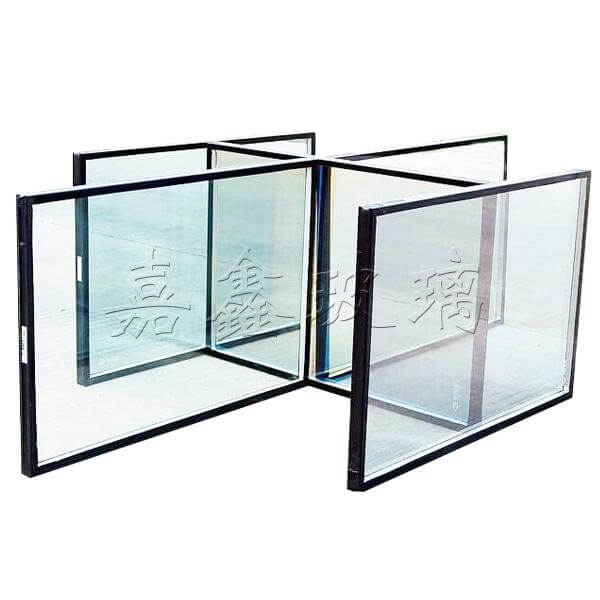
Applications of Class B Fire-Resistant Glass
Class B fire-resistant glass finds extensive applications in various building types and scenarios where fire separation is required for up to 60 minutes. Some common applications include:
- Fire Compartments: Used to divide buildings into fire-resistant sections, limiting fire spread and providing safe evacuation routes.
- Stairwells and Escape Routes: Ensures these critical paths remain protected and usable during a fire emergency.
- Corridors and Passageways: Maintains fire separation between different building areas while allowing visibility.
- Boundary Walls: Used in external walls to prevent fire spread between buildings or from floors to floors.
- Lobbies and Reception Areas: Provides fire protection while maintaining an open, welcoming space.
- Shop Fronts: In commercial buildings, protects retail spaces while allowing display visibility.
- Server Rooms and Data Centers: Protects valuable equipment and data from fire damage.
The versatility of Class B fire-resistant glass makes it suitable for both new construction projects and renovation of existing buildings where upgrading fire protection is required.
How to Select the Right Class B Fire-Resistant Glass Manufacturer
Choosing a reliable manufacturer is crucial to ensure you get high-quality, certified fire-resistant glass that meets your project requirements. Here are key factors to consider when selecting a Class B fire-resistant glass manufacturer:
1. Industry Experience and Expertise
Look for manufacturers with extensive experience in producing fire-resistant glass products. A company like Jiangyin Jiaxin Glass, with years of specialization in architectural glass processing, brings valuable expertise to your project. Experienced manufacturers understand the complex requirements of fire-resistant glass and can provide tailored solutions.
2. Certifications and Compliance
Ensure the manufacturer’s products are certified by recognized testing institutions and comply with relevant national and international standards. For Class B fire-resistant glass, this typically includes fire-resistance ratings, safety glass standards, and building code compliance in your target market.
3. Production Capacity and Equipment
A professional manufacturer should have advanced production facilities capable of producing fire-resistant glass to precise specifications. State-of-the-art equipment ensures consistent quality and the ability to handle large-scale projects or custom requirements.
4. Customization Capabilities
Every construction project has unique requirements. Choose a manufacturer that offers customization options in terms of size, shape, and frame systems to match your architectural design while maintaining fire-resistance performance.
5. Technical Support and After-Sales Service
Reliable technical support throughout the specification, installation, and maintenance phases is essential. A professional manufacturer provides comprehensive documentation, installation guidance, and responsive after-sales service to ensure your project’s success.
6. Reputation and Client References
Research the manufacturer’s reputation in the industry and request client references or case studies. Positive feedback from previous clients, especially on similar projects, indicates reliability and quality.
| Selection Criteria | Importance | What to Look For |
|---|---|---|
| Certifications | Critical | EN 13501, GB 15763.1, or equivalent fire-resistance certifications |
| Fire Rating | Essential | Class B (typically 60 minutes) or as required by local regulations |
| Optical Quality | Important | Minimal distortion, good light transmission |
| Size Limitations | Practical | Maximum pane size the manufacturer can produce |
| Frame Compatibility | Project-specific | Ability to work with your chosen frame system |
FAQ
What is the difference between Class B and Class A fire-resistant glass?
The main difference lies in their fire-resistance ratings. Class B fire-resistant glass typically provides protection for 60 minutes, while Class A offers higher protection, usually 90 minutes or more. The choice depends on local building codes and the specific fire protection requirements of your project.
How is Class B fire-resistant glass tested and certified?
Class B fire-resistant glass undergoes rigorous testing in accredited laboratories according to standards like EN 13501-2 or ASTM E119. During testing, a glass sample is exposed to fire for the specified duration while monitoring its integrity, insulation performance, and ability to prevent the passage of flames and hot gases. Successful testing results in certification that verifies the glass meets the Class B requirements.
Can Class B fire-resistant glass be cut to size on-site?
No, fire-resistant glass must be cut to the exact required dimensions during manufacturing and cannot be modified on-site. Any alteration after production could compromise its fire-resistance properties. Always provide precise measurements to your manufacturer and account for any frame tolerances in your specifications.
What maintenance is required for Class B fire-resistant glass?
Class B fire-resistant glass requires minimal maintenance under normal conditions. Regular cleaning with non-abrasive materials is sufficient to maintain its appearance and optical clarity. Avoid using harsh chemicals or abrasive tools that could scratch the glass surface. Inspect the glass periodically for any signs of damage or deterioration, especially after any impact or building movement.
How does the cost of Class B fire-resistant glass compare to regular glass?
Class B fire-resistant glass is more expensive than regular float glass due to its specialized composition and manufacturing process. However, the cost difference is justified by the enhanced safety benefits it provides. The exact price depends on factors such as glass size, thickness, frame system, and project quantity. Working with a professional manufacturer like Jiangyin Jiaxin Glass can help optimize costs through efficient production and bulk ordering.
Summary
Class B fire-resistant glass is an essential component in modern building design, providing critical fire protection while maintaining visibility and architectural aesthetics. When selecting Class B fire-resistant glass for your project, prioritize certified products from reputable manufacturers with proven expertise in fire-resistant glass production.
Jiangyin Jiaxin Glass stands out as a professional manufacturer offering high-quality Class B fire-resistant glass solutions. With our advanced production facilities, commitment to quality, and ability to provide customized solutions, we are well-equipped to meet the diverse needs of construction projects worldwide. Our fire-resistant glass products comply with international standards, ensuring reliable performance and peace of mind for builders, architects, and end-users alike.
By choosing Jiangyin Jiaxin Glass as your fire-resistant glass partner, you benefit from our technical expertise, responsive service, and dedication to delivering solutions that enhance building safety and performance. Contact us today to discuss your Class B fire-resistant glass requirements and discover how we can contribute to the success of your next construction project.