
In modern architectural design, the demand for high-performance glass solutions continues to grow as building owners and designers seek to balance aesthetics with functionality. Soundproof Low-E insulated glass has emerged as a premium solution that addresses both thermal insulation and acoustic performance requirements while maintaining excellent transparency. Jiangyin Jiaxin Glass, a professional glass processing enterprise located in Jiangyin City, has established itself as a trusted manufacturer and supplier of these advanced glass products, serving residential, commercial, and public building projects worldwide.

Understanding Soundproof Low-E Insulated Glass Technology
Soundproof Low-E insulated glass represents a sophisticated combination of multiple glass processing technologies designed to deliver superior performance in three key areas: thermal insulation, sound reduction, and solar control. The core structure typically consists of two or more glass panes separated by a hermetically sealed airspace or gas-filled cavity, with one or more panes featuring a low-emissivity (Low-E) coating.
The Low-E coating is a microscopically thin metallic oxide layer applied to the glass surface that significantly reduces heat transfer through radiation. This coating reflects infrared energy (heat) back toward its source while allowing visible light to pass through, creating an energy-efficient barrier that helps maintain comfortable indoor temperatures year-round. When combined with insulating gas fills like argon or krypton in the cavity between panes, the thermal performance improves even further, reducing heating and cooling loads by up to 50% compared to standard single-pane glass.
For soundproofing capabilities, the glass configuration incorporates specialized acoustic laminates or asymmetric pane thickness combinations that disrupt sound wave transmission. The airspace between panes also acts as an additional sound barrier, with wider cavities generally providing better acoustic performance. When properly engineered, soundproof Low-E insulated glass can achieve sound reduction ratings (STC) of 35-50 or higher, effectively blocking common urban noises like traffic, construction, and aircraft while maintaining clear visibility.
Key Benefits of Jiaxin’s Soundproof Low-E Glass Solutions
As a professional manufacturer specializing in architectural glass processing, Jiangyin Jiaxin Glass has developed a comprehensive range of soundproof Low-E insulated glass products that deliver multiple benefits for building projects:
- Energy Efficiency: The Low-E coating and insulating gas fills reduce heat transfer by up to 70%, significantly lowering HVAC energy consumption and utility costs while maintaining consistent indoor temperatures.
- Acoustic Comfort: Specialized glass configurations block external noise while preserving speech privacy within buildings, creating quieter, more productive indoor environments.
- Solar Control: The Low-E coating reflects solar heat while allowing natural light transmission, reducing glare and helping maintain balanced indoor lighting conditions.
- UV Protection: Most Low-E coatings block 99% of harmful UV rays, protecting interior furnishings, finishes, and occupants from fading and skin damage.
- Condensation Resistance: The warm edge spacer technology used in Jiaxin’s insulated glass units minimizes temperature differentials at the glass edges, reducing condensation buildup that can lead to mold growth.
- Design Flexibility: Available in various configurations, tints, and coatings, these glass solutions can be customized to meet specific architectural requirements while maintaining performance standards.
Product Range and Customization Options
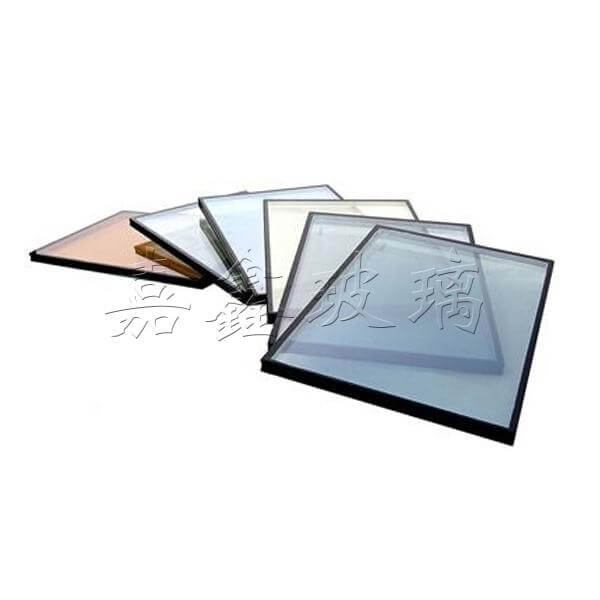
Jiangyin Jiaxin Glass offers a versatile portfolio of soundproof Low-E insulated glass products to accommodate diverse project requirements:
| Product Type | Key Features | Typical Applications |
|---|---|---|
| Standard Low-E Insulated Glass | Single Low-E coating, argon gas fill, 12-16mm cavity | Residential windows, commercial storefronts |
| Acoustic Low-E Insulated Glass | Asymmetric pane thickness, acoustic laminate, wider cavity | Urban residential, office buildings, hotels |
| Triple-Pane Low-E Glass | Two Low-E coatings, dual insulating cavities | Extreme climate regions, passive house projects |
| Custom Configurations | Various tints, coatings, spacer types, and cavity sizes | Specialized architectural applications |
Quality Assurance and Manufacturing Excellence
At Jiangyin Jiaxin Glass, product quality and performance consistency are fundamental to our manufacturing philosophy. We maintain strict quality control protocols throughout the production process, from raw material inspection to final product testing:
Our state-of-the-art processing facility features advanced equipment from leading glass machinery manufacturers, including computer-controlled cutting tables, automated washing systems, and precision spacer application lines. This investment in technology enables us to produce soundproof Low-E insulated glass units with exceptional dimensional accuracy and edge seal integrity.
All insulated glass units undergo rigorous testing to verify compliance with international standards including ASTM E2190 (Insulating Glass Unit Performance and Evaluation), EN 1279 (Glass in Building – Insulating Glass Units), and GB/T 11944 (Chinese National Standard for Insulating Glass). Key performance parameters tested include gas concentration, dew point, and seal durability under simulated aging conditions.
Our quality management system is certified to ISO 9001:2015 standards, ensuring consistent product quality and reliable delivery performance. Additionally, we maintain comprehensive product liability insurance to provide our customers with peace of mind throughout the project lifecycle.
Application Scenarios and Project Examples
The versatility of soundproof Low-E insulated glass makes it suitable for virtually any building type where thermal comfort, acoustic privacy, and energy efficiency are priorities. Some typical application scenarios include:
- Urban Residential Buildings: In dense urban environments, these glass solutions effectively block traffic and construction noise while maintaining comfortable indoor temperatures without excessive HVAC use.
- Commercial Office Spaces: Open-plan offices benefit from improved speech privacy and reduced distracting external noises, creating more productive work environments.
- Educational Facilities: Classrooms and lecture halls require excellent acoustic conditions for effective teaching, which these glass systems provide while also controlling solar gain.
- Healthcare Buildings: Hospitals and clinics need quiet environments for patient recovery, which our soundproof glass helps achieve while maintaining natural light.
- Luxury Hotels: Guest rooms demand both acoustic comfort and energy efficiency to ensure positive guest experiences and operational cost savings.
FAQ
What makes Low-E glass different from regular insulated glass?
Low-E (low-emissivity) glass features a microscopic metallic oxide coating that reflects infrared energy (heat) while allowing visible light to pass through. This coating significantly improves thermal performance compared to regular clear glass by reducing heat transfer through radiation, making Low-E insulated glass much more energy-efficient for building applications.
How effective is soundproof Low-E glass at reducing noise?
The acoustic performance depends on the specific glass configuration, but properly engineered soundproof Low-E insulated glass can achieve Sound Transmission Class (STC) ratings of 35-50 or higher. This level of performance effectively blocks common urban noises like traffic, construction, and aircraft while maintaining clear visibility through the glass.
Can I get custom sizes and configurations of soundproof Low-E glass?
Absolutely. As a professional manufacturer, Jiangyin Jiaxin Glass specializes in custom glass solutions. We can produce soundproof Low-E insulated glass in virtually any size and configuration to meet your specific project requirements, including different pane thicknesses, cavity widths, spacer types, and edge finishes.
What is the expected lifespan of insulated glass units?
When properly manufactured and installed, high-quality insulated glass units like those produced by Jiaxin Glass typically have a service life of 20-25 years or more. The actual lifespan depends on factors such as climate conditions, installation quality, and maintenance practices. Our units are designed and tested to maintain their performance throughout their expected service life.
How does Low-E glass affect indoor lighting conditions?
Low-E glass is designed to allow maximum visible light transmission while reflecting infrared energy. This means it provides excellent natural lighting similar to clear glass but with significantly reduced solar heat gain. Some Low-E coatings may have a slight reflective tint when viewed from the outside, but this doesn’t noticeably affect indoor lighting conditions.
Summary
Soundproof Low-E insulated glass represents the pinnacle of modern glazing technology, combining superior thermal insulation, acoustic performance, and solar control in a single product solution. Jiangyin Jiaxin Glass, with its advanced manufacturing capabilities and commitment to quality, stands as a premier supplier of these high-performance glass products for architectural applications worldwide.
Our comprehensive product range, customization options, and rigorous quality control processes ensure that clients receive glass solutions perfectly tailored to their project requirements. Whether for new construction or renovation projects, residential or commercial applications, our soundproof Low-E insulated glass delivers measurable benefits in energy savings, occupant comfort, and building performance.
As building standards continue to evolve toward greater energy efficiency and acoustic comfort requirements, Jiangyin Jiaxin Glass remains at the forefront of glass processing technology, developing innovative solutions that help our customers meet and exceed these demanding standards while maintaining architectural design freedom.