
In the realm of architectural and home decoration materials, safety laminated glass stands out as a versatile and reliable choice. Jiangyin Jiaxin Glass, a professional deep-processing glass enterprise located in Jiangyin City, Gu Shan Town, is dedicated to providing high-quality laminated glass solutions for various applications. This comprehensive guide will delve into the world of safety laminated glass, exploring its benefits, applications, and how to select the right product for your needs.
Understanding Safety Laminated Glass
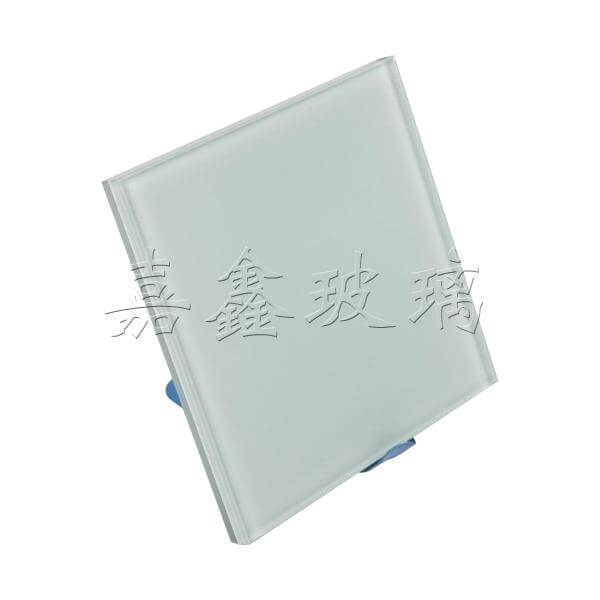
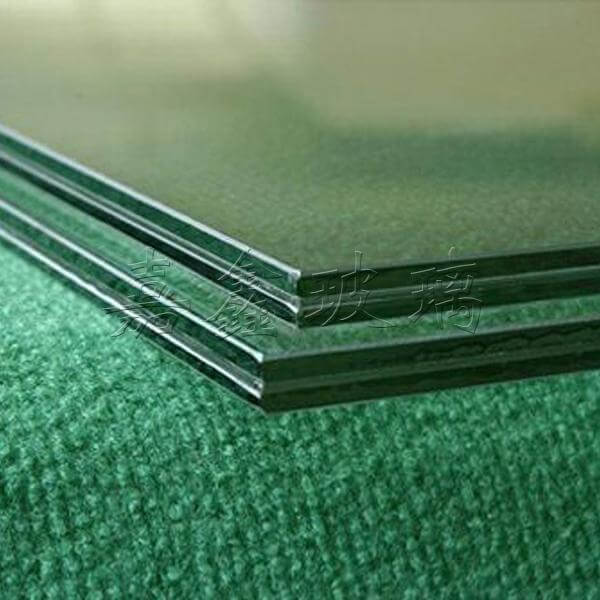
Safety laminated glass is a type of glass that consists of two or more layers of glass bonded together with an interlayer, typically made of polyvinyl butyral (PVB) or ethylene-vinyl acetate (EVA). This interlayer acts as a adhesive, holding the glass layers together even when shattered, thus preventing the formation of sharp, dangerous shards. The result is a glass product that offers enhanced safety, security, and durability.
At Jiangyin Jiaxin Glass, we specialize in manufacturing a wide range of laminated glass products, including low-emissivity (Low-E) laminated glass, louvered hollow laminated glass, hollow laminated glass, and fire-resistant laminated glass. Our products are designed to meet the diverse needs of residential, commercial, and public building projects, providing both functional and aesthetic benefits.
Benefits of Safety Laminated Glass
The use of safety laminated glass offers numerous advantages, making it an ideal choice for various applications. Here are some key benefits:
Enhanced Safety and Security
The primary benefit of laminated glass is its enhanced safety and security features. In the event of breakage, the interlayer holds the glass fragments together, reducing the risk of injury from flying shards. This makes laminated glass an excellent choice for areas where safety is a priority, such as balconies, stair railings, and floor-to-ceiling windows.
Sound Insulation
Laminated glass also provides excellent sound insulation properties. The interlayer acts as a barrier to sound waves, reducing noise transmission between indoor and outdoor spaces. This makes it an ideal choice for buildings located in noisy environments, such as busy streets or airports.
UV Protection
Many types of laminated glass, including Low-E laminated glass, offer UV protection. The interlayer can block a significant portion of harmful ultraviolet rays, protecting furniture, artwork, and other interior elements from fading and damage caused by prolonged exposure to sunlight.
Energy Efficiency
Laminated glass can contribute to energy efficiency in buildings. Low-E laminated glass, in particular, has a special coating that reflects infrared light, helping to keep interiors cool in summer and warm in winter. This reduces the need for artificial heating and cooling, leading to lower energy consumption and costs.
Applications of Safety Laminated Glass
Safety laminated glass finds widespread use in various architectural and home decoration applications. Here are some common uses:
Residential Buildings
In residential buildings, laminated glass is commonly used for windows, doors, balconies, and stair railings. Its safety and security features make it an ideal choice for protecting occupants from accidental breakage and intruders. Additionally, its sound insulation and UV protection properties enhance the comfort and livability of homes.
Commercial Buildings
Commercial buildings, such as offices, shopping malls, and hotels, also benefit from the use of laminated glass. Its energy efficiency properties help reduce operating costs by lowering heating and cooling demands. Furthermore, its aesthetic appeal and versatility make it a popular choice for creating modern, stylish interiors.
Public Venues
Public venues, such as museums, galleries, and theaters, often require glass that offers both safety and UV protection. Laminated glass meets these requirements, protecting valuable artifacts and artwork from damage while providing a clear view for visitors. Its sound insulation properties also enhance the acoustic experience in performance spaces.
Specialized Applications
In addition to the above applications, laminated glass is also used in specialized settings, such as automotive windows, skylights, and bullet-resistant barriers. Its durability and resistance to impact make it suitable for these demanding environments.
Selecting the Right Safety Laminated Glass
Choosing the right safety laminated glass for your project involves considering several factors. Here are some key considerations to help you make an informed decision:
- Type of Interlayer: The type of interlayer used in the laminated glass affects its performance and properties. PVB interlayers are commonly used for general-purpose applications, while EVA interlayers offer better resistance to moisture and chemicals. Consider the specific requirements of your project when selecting the interlayer type.
- Glass Thickness: The thickness of the glass layers in the laminated glass affects its strength and impact resistance. Thicker glass layers provide greater protection against breakage and intruders. However, they also increase the weight and cost of the glass. Balance the need for safety with practical considerations when selecting the glass thickness.
- Coating Options: Some types of laminated glass, such as Low-E laminated glass, have special coatings that enhance their performance. Low-E coatings reflect infrared light, improving energy efficiency, while other coatings may offer additional benefits, such as self-cleaning or anti-reflective properties. Consider the specific needs of your project when selecting coating options.
- Certification and Standards: Ensure that the laminated glass you select meets relevant certification and standards requirements. This may include safety standards, energy efficiency ratings, and environmental certifications. Choosing certified products provides assurance of their quality and performance.
- Manufacturer Reputation: The reputation of the manufacturer is also an important consideration when selecting safety laminated glass. Choose a reputable manufacturer with a track record of producing high-quality products and providing excellent customer service. Jiangyin Jiaxin Glass, with its commitment to quality and customer satisfaction, is a trusted choice in the industry.
FAQ
What is the difference between laminated glass and tempered glass?
Laminated glass consists of two or more layers of glass bonded together with an interlayer, while tempered glass is a single layer of glass that has been heat-treated to increase its strength. Laminated glass offers enhanced safety and security features, as it holds together when shattered, while tempered glass breaks into small, blunt pieces that are less likely to cause injury. Both types of glass have their own advantages and are suitable for different applications.
Can laminated glass be cut to size?
Yes, laminated glass can be cut to size to meet the specific requirements of your project. However, it is important to note that cutting laminated glass requires specialized equipment and techniques to ensure a clean, precise cut without damaging the interlayer. It is recommended to have laminated glass cut by a professional glass fabricator or installer.
How long does laminated glass last?
The lifespan of laminated glass depends on various factors, including the quality of the materials used, the installation method, and the environmental conditions. Generally, high-quality laminated glass that is properly installed and maintained can last for many years without significant degradation in performance. Regular inspection and maintenance can help prolong the lifespan of laminated glass.
Is laminated glass suitable for use in fire-rated applications?
Yes, there are specialized types of laminated glass that are suitable for use in fire-rated applications. Fire-resistant laminated glass is designed to withstand high temperatures and prevent the spread of fire and smoke. It is commonly used in building fire separations, fire doors, and other areas where fire protection is required. When selecting fire-resistant laminated glass, ensure that it meets relevant fire rating standards and certification requirements.
Summary
Safety laminated glass is a versatile and reliable choice for various architectural and home decoration applications. Its enhanced safety and security features, sound insulation properties, UV protection, and energy efficiency make it an ideal choice for protecting occupants, reducing noise, preserving interior elements, and lowering energy consumption. When selecting safety laminated glass, consider factors such as the type of interlayer, glass thickness, coating options, certification and standards, and manufacturer reputation. Jiangyin Jiaxin Glass, with its commitment to quality and customer satisfaction, is a trusted provider of high-quality laminated glass solutions. Contact us today to learn more about our products and services.