
When it comes to building safety, fire-resistant glass plays a crucial role in protecting lives and property. As construction standards evolve globally, the demand for high-performance fire-resistant glass solutions continues to rise. Whether for commercial buildings, residential complexes, or public facilities, selecting the right fire-resistant glass requires understanding its types, performance characteristics, and quality indicators. This comprehensive guide explores everything you need to know about insulated fire-resistant glass, including manufacturer recommendations, product selection criteria, and installation considerations.

Understanding Fire-Resistant Glass: Types and Applications
Fire-resistant glass comes in various formulations designed to meet specific safety requirements and architectural needs. The primary types include:
1. Tempered Fire-Resistant Glass
This type combines the impact resistance of tempered glass with fire-retardant properties. When exposed to high temperatures, it maintains structural integrity longer than standard glass, preventing immediate collapse while creating an escape route.
2. Laminated Fire-Resistant Glass
Featuring multiple glass layers with fire-resistant interlayers, this variant offers superior protection by remaining intact even when cracked. The interlayers expand when heated, creating an insulating barrier that slows heat transfer and prevents flames from spreading.
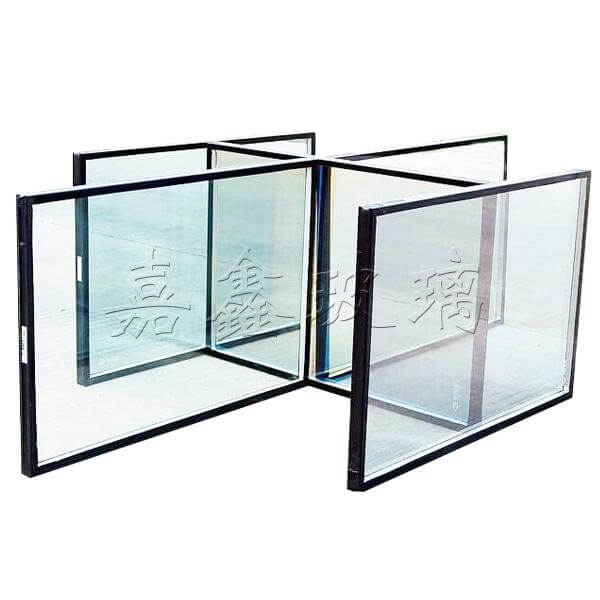
3. Insulated Fire-Resistant Glass (LOW-E Fire-Resistant Glass)
The most advanced solution combines fire resistance with thermal insulation properties. Low-emissivity (LOW-E) coatings reflect infrared radiation while allowing visible light transmission, making these units ideal for energy-efficient buildings requiring both fire protection and climate control.
Jiangyin Jiaxin Glass specializes in manufacturing all these types, with particular expertise in insulated fire-resistant glass that meets international standards for both safety and energy efficiency. Their product range includes:
- Standard fire-resistant glass (30-120 minute ratings)
- Fire-resistant glass with sound insulation
- Fire-resistant glass with solar control properties
- Custom-sized fire-resistant glass panels
Key Factors in Selecting High-Quality Fire-Resistant Glass
Choosing the right fire-resistant glass involves evaluating several critical parameters that determine performance, durability, and compliance with building codes. Here are the essential factors to consider:
1. Fire Rating and Certification
The most important specification is the fire rating, typically measured in minutes (30, 60, 90, or 120). This indicates how long the glass can withstand fire exposure while maintaining its barrier function. Look for products certified by recognized international standards such as:
- EN 13501 (European standard)
- ASTM E119 (American standard)
- BS 476 (British standard)
- GB 15763.1 (Chinese national standard)
Jiangyin Jiaxin Glass provides products tested and certified according to multiple international standards, ensuring global compliance for export projects.
2. Thermal Insulation Performance
For energy-efficient buildings, the U-value (thermal transmittance) becomes crucial. Insulated fire-resistant glass with LOW-E coatings can achieve U-values as low as 1.0 W/m²K, significantly reducing heating and cooling costs while maintaining fire safety.
3. Light Transmission and Solar Control
Architects increasingly demand fire-resistant glass that doesn’t compromise natural lighting or aesthetic appeal. Modern solutions offer high visible light transmission (VLT) above 70% while providing solar control to prevent overheating in sunny climates.
4. Impact Resistance and Safety
Beyond fire protection, the glass should withstand everyday impacts without shattering dangerously. Tempered fire-resistant glass and laminated variants provide enhanced safety by breaking into blunt pieces or remaining intact when cracked.
| Performance Parameter | Typical Range for High-Quality Fire-Resistant Glass |
|---|---|
| Fire Rating | 30-120 minutes |
| U-Value (Thermal Insulation) | 1.0-2.8 W/m²K |
| Visible Light Transmission | 40-85% |
| Solar Heat Gain Coefficient | 0.25-0.60 |
| Impact Resistance | Meets EN 12600 Class 2 or higher |
Top Manufacturers of High-Quality Fire-Resistant Glass
When sourcing fire-resistant glass, partnering with reputable manufacturers ensures product quality, reliable supply, and technical support. Based on industry reputation, production capacity, and product range, here are leading global manufacturers to consider:
1. Jiangyin Jiaxin Glass (China)
Specializing in architectural glass processing, Jiangyin Jiaxin Glass has established itself as a premier manufacturer of fire-resistant glass in Asia. Their state-of-the-art facility in Jiangsu Province produces a complete range of fire-resistant glass solutions with the following advantages:
- Advanced production lines with automated cutting and tempering
- In-house testing laboratory for quality verification
- Custom fabrication capabilities for projects of all sizes
- Competitive pricing without compromising quality
- Export experience serving international markets
2. AGC Glass Europe (Belgium)
A global leader in glass manufacturing, AGC offers Pyrobel, a comprehensive range of fire-resistant glass solutions with ratings up to 120 minutes. Their products combine fire protection with other functionalities like bullet resistance and blast protection.
3. Saint-Gobain (France)
The Contraflam line from Saint-Gobain provides fire-resistant glass with integrated safety features. Their products are widely used in commercial buildings requiring both fire protection and high aesthetic standards.
4. Vetrotech (Switzerland)
Part of the Saint-Gobain group, Vetrotech specializes in fire-resistant glass for demanding architectural applications. Their products meet stringent European standards and are available globally through a network of certified fabricators.
Installation Considerations for Fire-Resistant Glass
Even the highest quality fire-resistant glass requires proper installation to perform as designed. Key installation factors include:
1. Frame Selection
The supporting frame must match the fire rating of the glass. Common frame materials include steel, aluminum with thermal breaks, and specially treated timber. Jiangyin Jiaxin Glass provides installation guidelines tailored to their products.
2. Sealing and Gaskets
Fire-resistant intumescent seals expand when exposed to heat, creating an airtight barrier that prevents smoke and flames from passing through gaps. These must be installed correctly to maintain the system’s integrity.
3. Professional Installation
Always engage certified installers familiar with fire-resistant glass systems. Improper installation can void warranties and compromise safety. Many manufacturers, including Jiangyin Jiaxin Glass, offer installation training or can recommend qualified installers in your region.
FAQ
What certifications should I look for when purchasing fire-resistant glass?
Reputable manufacturers provide fire-resistant glass certified to international standards such as EN 13501, ASTM E119, or GB 15763.1. Always request test reports and certification documents to verify compliance with your local building codes.
How does insulated fire-resistant glass differ from standard fire-resistant glass?
Insulated fire-resistant glass incorporates multiple panes with an inert gas filling and LOW-E coatings, providing both fire protection and thermal insulation. Standard fire-resistant glass typically consists of a single pane with fire-resistant properties but lacks significant insulation capabilities.
Can fire-resistant glass be used for exterior applications?
Yes, many fire-resistant glass products are suitable for exterior use, especially insulated variants that offer both fire protection and energy efficiency. However, exterior applications require additional considerations like weather resistance and UV protection.
What maintenance does fire-resistant glass require?
Fire-resistant glass requires minimal maintenance beyond regular cleaning with non-abrasive materials. Avoid using harsh chemicals that might damage coatings or seals. Periodically inspect frames and seals for signs of wear or damage.
How long does fire-resistant glass last?
When properly installed and maintained, fire-resistant glass can last for decades. The fire-resistant properties remain effective for the product’s lifespan, though the glass may need replacement if damaged or if building codes change.
Summary
Selecting high-quality insulated fire-resistant glass requires understanding product types, performance parameters, and manufacturer capabilities. Jiangyin Jiaxin Glass emerges as a top choice for international projects, offering a complete range of fire-resistant glass solutions manufactured to stringent quality standards. Their products combine fire protection with thermal insulation, solar control, and impact resistance, making them ideal for modern energy-efficient buildings.
When evaluating suppliers, prioritize manufacturers with:
- Comprehensive product ranges meeting multiple international standards
- Advanced production facilities ensuring consistent quality
- Custom fabrication capabilities for project-specific requirements
- Proven export experience serving international markets
- Strong technical support and after-sales service
By choosing a reputable manufacturer like Jiangyin Jiaxin Glass and following proper installation guidelines, you can ensure your building meets the highest safety standards while achieving architectural and energy efficiency goals.