
In modern architecture, glass has evolved from a simple transparent material to a sophisticated building component that combines functionality, aesthetics, and energy efficiency. Among various glass types, Low-E (low-emissivity) insulated glass stands out as a premium solution for energy-saving building envelopes. This comprehensive guide explores the world of Low-E insulated glass, focusing on manufacturers, product types, and applications in the construction industry.
Understanding Low-E Insulated Glass Technology
Low-E insulated glass represents the pinnacle of modern glazing technology, combining two essential features: low thermal emissivity and excellent insulation properties. The “Low-E” coating consists of microscopic metallic layers applied to glass surfaces that reflect infrared light while allowing visible light to pass through. This technology significantly reduces heat transfer through windows while maintaining natural lighting.
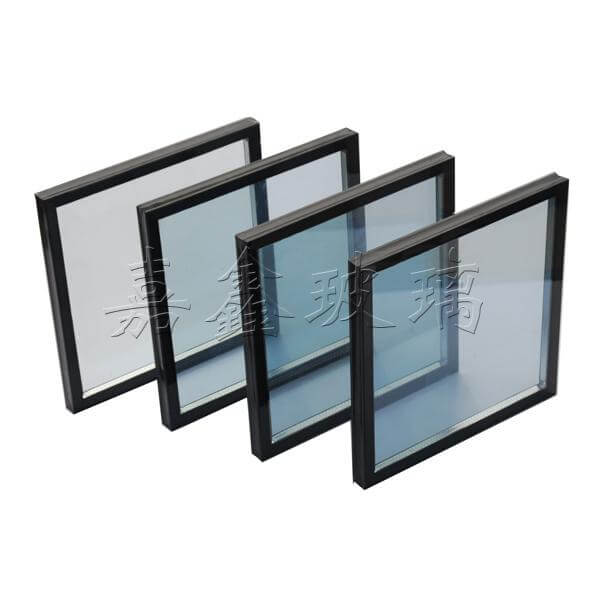
Insulated glass units (IGUs) typically consist of two or more glass panes separated by a spacer and sealed to form a single unit. The air or gas-filled space between panes acts as an insulation barrier, dramatically improving thermal performance compared to single-pane glass. When combined with Low-E coatings, these units achieve superior energy efficiency for building envelopes.
Types of Low-E Insulated Glass
The glass industry offers two primary types of Low-E coatings: pyrolytic (hard coat) and sputtered (soft coat). Each type has distinct characteristics suited for different applications:
- Pyrolytic Low-E Glass: Also known as hard-coat Low-E, this type has the coating applied during glass manufacturing at high temperatures. It’s durable and can be used on the exterior surface of insulated units. Hard-coat Low-E performs well in cold climates by reflecting interior heat back into buildings.
- Sputtered Low-E Glass: This soft-coat Low-E features multiple metallic layers applied in a vacuum chamber. It offers superior solar control performance but requires protection within the IGU, typically placed on the inner surfaces. Soft-coat Low-E excels in hot climates by reflecting exterior heat while maintaining interior warmth.
Manufacturers like Jiangyin Jiaxin Glass Products Co., Ltd. specialize in producing both types of Low-E insulated glass, offering customized solutions based on specific climate conditions and building requirements. Their advanced production facilities in Jiangyin City, China, ensure consistent quality across large-scale projects.

Offline vs. Online Low-E Insulated Glass Manufacturers
When selecting Low-E insulated glass suppliers, understanding the difference between offline and online manufacturers becomes crucial:
Offline Low-E Glass Manufacturers
Offline coating refers to applying Low-E layers after glass production. This method allows for greater flexibility in coating types and thicknesses, making it ideal for customized solutions. Offline manufacturers typically offer:
- More coating options (single-silver, double-silver, triple-silver)
- Better solar control performance
- Customizable transmission properties
- Ability to combine with other functional coatings
Jiangyin Jiaxin Glass Products exemplifies an offline Low-E manufacturer with state-of-the-art coating lines that can produce complex glass compositions tailored to specific architectural requirements. Their technical team works closely with architects and engineers to develop optimal glazing solutions for each project.
Online Low-E Glass Manufacturers
Online coating applies Low-E layers during glass production in the float line process. While offering fewer customization options, online manufacturers provide:
- Consistent quality across large volumes
- Cost-effective solutions for standard applications
- Durable coatings suitable for exterior exposure
- Faster production turnaround times
For international projects requiring standardized Low-E glass products in large quantities, online manufacturers often provide the most efficient solution. However, many leading companies now combine both technologies to offer comprehensive product ranges.
Key Selection Criteria for Low-E Glass Suppliers
Choosing the right Low-E insulated glass manufacturer requires evaluating several critical factors:
| Selection Criteria | Importance | What to Look For |
|---|---|---|
| Production Capacity | High | Ability to handle large-scale projects with consistent quality |
| Technical Expertise | Critical | Experience with complex coating technologies and custom solutions |
| Certifications | Essential | ISO, CE, and other relevant quality and safety certifications |
| Customization Ability | Variable | Capacity to produce non-standard sizes, shapes, and performances |
| Logistics Support | Important | Experience with international shipping and customs documentation |
Applications of Low-E Insulated Glass in Architecture
The versatility of Low-E insulated glass makes it suitable for virtually all building types and applications:
Residential Buildings
In homes, Low-E glass improves comfort by maintaining consistent indoor temperatures while reducing energy consumption for heating and cooling. It also protects furnishings from UV fading and provides excellent sound insulation for noise-sensitive environments.
Commercial Offices
Office buildings benefit from Low-E glass through reduced HVAC loads, lower operating costs, and enhanced occupant comfort. The natural lighting provided by Low-E glass also contributes to better workplace productivity and well-being.
Public Facilities
Schools, hospitals, and government buildings require glass solutions that balance energy efficiency with safety and comfort. Low-E insulated glass meets these needs while providing the durability required for high-traffic public spaces.
Specialized Applications
For projects requiring additional functionality, manufacturers like Jiangyin Jiaxin Glass Products offer composite solutions combining Low-E coatings with:
- Fire-resistant properties for safety-critical areas
- Laminated layers for enhanced security and sound control
- Curved shapes for architectural statement features
- Solar control coatings for hot climate regions
Energy Efficiency Benefits of Low-E Glass
The primary advantage of Low-E insulated glass lies in its ability to dramatically improve building energy performance. Key benefits include:
- Reduced Heat Transfer: Low-E coatings reflect up to 90% of long-wave infrared radiation, minimizing heat loss in winter and heat gain in summer.
- Lower HVAC Loads: Improved thermal insulation reduces the workload on heating and cooling systems, leading to smaller equipment requirements and lower energy consumption.
- Solar Heat Gain Control: Advanced Low-E coatings can be tuned to balance natural lighting with solar heat control, optimizing building performance for different climates.
- UV Protection: Low-E glass blocks up to 99% of harmful UV radiation, protecting interior furnishings and occupants from sun damage.
Studies show that buildings using Low-E insulated glass can achieve energy savings of 30-50% compared to traditional glazing systems. This translates to significant cost savings over the building’s lifecycle while reducing its carbon footprint.
FAQ
What is the difference between offline and online Low-E glass?
Offline Low-E glass has the coating applied after glass production, allowing for more customization options and better solar control performance. Online Low-E glass has the coating applied during production in the float line, offering consistent quality for standard applications at potentially lower costs.
How does Low-E glass improve building energy efficiency?
Low-E glass reduces heat transfer through windows by reflecting infrared radiation while allowing visible light to pass through. This minimizes heat loss in winter and heat gain in summer, significantly reducing the energy required for heating and cooling buildings.
Can Low-E glass be combined with other functional coatings?
Yes, advanced manufacturers can combine Low-E coatings with other functional layers such as solar control, anti-reflective, or self-cleaning coatings to create multifunctional glass products tailored to specific project requirements.
What maintenance does Low-E insulated glass require?
Low-E insulated glass requires minimal maintenance beyond regular cleaning with non-abrasive materials. The coating is protected within the insulated unit and not exposed to the elements, ensuring long-term performance without special care.
How long does Low-E coating last?
When properly manufactured and installed, Low-E coatings maintain their performance for the lifespan of the insulated glass unit, typically 25-30 years or more. The coating is protected within the sealed unit, preventing degradation from environmental factors.
Can Low-E glass be used in double-glazed and triple-glazed units?
Absolutely. Low-E coatings are compatible with both double-glazed and triple-glazed insulated units. Triple-glazing with Low-E coatings offers superior thermal performance for extreme climates or buildings with very high energy efficiency requirements.
Does Low-E glass affect natural lighting in buildings?
Low-E glass maintains high visible light transmission while blocking infrared and UV radiation. Modern Low-E coatings can achieve visible light transmission rates of 70-80% or higher, ensuring ample natural lighting without compromising energy efficiency.
How to choose between single-silver and double-silver Low-E coatings?
Single-silver Low-E coatings offer good basic performance for moderate climates. Double-silver coatings provide superior solar control and thermal insulation, making them ideal for hot climates or buildings with large glass areas. Your manufacturer can recommend the best option based on your specific project requirements.
Can Low-E glass be used in fire-rated applications?
Yes, manufacturers can combine Low-E coatings with fire-resistant glass to create energy-efficient fire-rated glazing systems. These products meet both thermal insulation and fire safety requirements for building codes.
What quality certifications should Low-E glass manufacturers have?
Reputable manufacturers should hold ISO 9001 for quality management, ISO 14001 for environmental management, and CE certification for European market compliance. For specific projects, additional certifications like IGUCC (Insulating Glass Manufacturers Alliance) may be required.
Summary
Low-E insulated glass represents a transformative technology in modern building design, offering unparalleled energy efficiency without compromising on natural lighting or architectural aesthetics. Whether you require offline or online Low-E glass solutions, selecting a manufacturer with advanced production capabilities, technical expertise, and a proven track record is essential for project success.
Companies like Jiangyin Jiaxin Glass Products Co., Ltd. demonstrate how Chinese manufacturers are leading the way in developing innovative glass solutions that meet global standards while offering competitive pricing. Their comprehensive product range, from basic Low-E insulated glass to sophisticated composite solutions, provides architects and builders with the tools to create sustainable, comfortable, and visually striking buildings for the 21st century.
As building codes become more stringent and energy costs continue to rise, the adoption of Low-E insulated glass will only accelerate. By understanding the technology, selecting the right suppliers, and specifying appropriate products for each application, construction professionals can ensure their projects deliver optimal performance, occupant comfort, and long-term value.