
When it comes to modern architectural design and construction safety, building tempered glass plays an indispensable role. As a professional glass processing enterprise with over a decade of experience, Jiangyin Jiaxin Glass specializes in providing comprehensive glass solutions for residential, commercial, and public building projects. This guide will walk you through everything you need to know about building tempered glass – from its fundamental characteristics to advanced application scenarios.
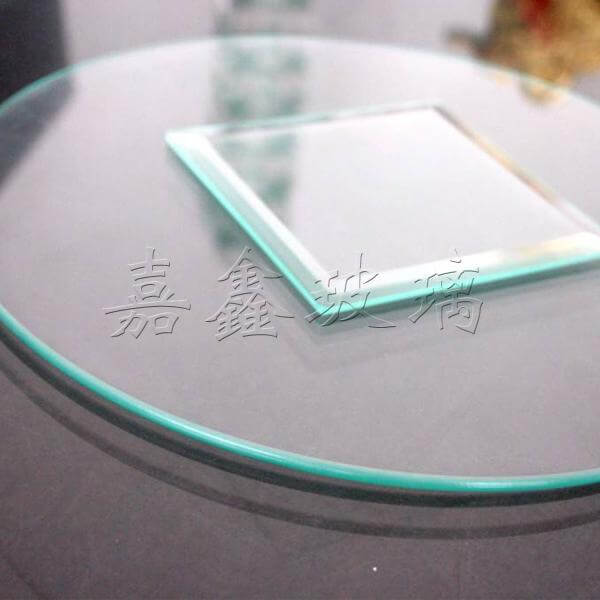
Understanding Building Tempered Glass Basics
Building tempered glass, also known as toughened glass, is a type of safety glass processed by controlled thermal or chemical treatments to increase its strength compared with normal glass. This tempering process creates balanced internal stresses which give the glass several key characteristics:
First, its strength is 4-5 times greater than ordinary annealed glass of the same thickness. This makes it highly resistant to impacts and thermal stress. Second, when broken, tempered glass disintegrates into small, blunt pieces rather than sharp shards, significantly reducing injury risks. These properties make it the preferred choice for building applications requiring both safety and durability.
At Jiangyin Jiaxin Glass, we employ advanced tempering technology that ensures consistent quality across all our products. Our tempering furnaces use precise temperature control systems to achieve optimal stress distribution within the glass. Each batch undergoes rigorous impact testing and surface stress measurement to meet international safety standards including EN 12150 and ANSI Z97.1.
Core Product Categories for Building Applications
Our comprehensive product range addresses different functional requirements in modern architecture:
1. Energy-Saving Insulated Glass Series
This category includes multiple variations designed for optimal thermal performance:
- Standard Insulated Glass: Double-glazed units with aluminum spacers and desiccant filling for basic thermal insulation
- Low-E Insulated Glass: Incorporates low-emissivity coatings that reflect infrared radiation while allowing visible light transmission
- Built-in Blind Insulated Glass: Features integrated Venetian blinds between glass panes for adjustable light control and privacy
- Grid Pattern Insulated Glass: Combines thermal insulation with decorative grid patterns for architectural aesthetics
These products typically achieve U-values as low as 1.0 W/(m²·K), helping buildings meet stringent energy efficiency requirements while maintaining comfortable indoor environments. The built-in blind versions eliminate cleaning needs for external blinds and provide superior dust resistance.
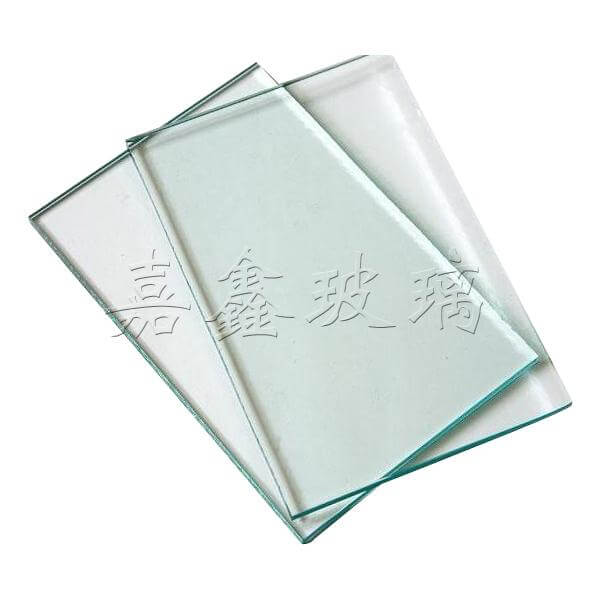
2. Safety Protection Glass Solutions
Our safety glass range provides reliable protection for building occupants:
- Tempered Glass: The standard safety solution for areas requiring impact resistance
- Laminated Glass: Consists of two or more glass layers bonded with PVB interlayers for enhanced security
- Tempered-Laminated Combination: Combines the strength of tempering with the security of lamination
These products meet safety glazing requirements for balcony railings, staircase barriers, floor-to-ceiling windows, and skylights. Our laminated glass uses 1.52mm PVB interlayers that maintain glass integrity even when cracked, preventing glass fragments from falling. The combination products offer the highest level of protection against forced entry and accidental impacts.
3. Special-Shaped Curved Glass Products
For architectural designs requiring unique shapes, we offer:
- Bent Tempered Glass: Single-layer tempered glass with controlled curvature
- Bent Insulated Glass: Curved insulated units combining thermal performance with unique shapes
Our advanced bending technology allows us to produce cylindrical walls, arched windows, and curved canopies with precise radius control. The minimum bending radius depends on glass thickness but typically starts at 500mm for 6mm glass. Each curved piece undergoes special quality checks to ensure optical clarity and structural integrity.
4. Fire-Resistant Glass Systems
Specialized for fire protection applications:
- Single-Layer Fire Glass: Meets basic fire resistance requirements
- Composite Fire Glass: Multi-layer construction providing extended fire protection periods
These products maintain transparency while providing fire insulation for up to 120 minutes, depending on specification. They comply with international fire safety standards including BS 476 and EN 13501, making them suitable for fire compartments, smoke barriers, and other critical fire separation applications.
| Glass Type | Key Feature | Typical Application |
|---|---|---|
| Low-E Insulated Glass | High thermal insulation | Energy-efficient windows |
| Built-in Blind Glass | Adjustable light control | Office partitions |
| Tempered-Laminated Glass | High impact resistance | Balcony railings |
| Bent Insulated Glass | Curved shape with insulation | Arched windows |
| Composite Fire Glass | Extended fire protection | Fire compartments |
Selecting the Right Building Glass: Key Considerations
Choosing appropriate glass products requires evaluating several critical factors:
1. Safety Requirements
For human impact protection, tempered glass is typically sufficient. When additional security against forced entry is needed, laminated glass provides better resistance. Areas with both safety and security concerns should use tempered-laminated combination glass. Fire-rated glass must be selected based on required fire resistance duration and local building codes.
2. Thermal Performance
The U-value indicates thermal insulation capability – lower values mean better insulation. For energy-efficient buildings in cold climates, Low-E insulated glass with argon filling is recommended. In hot climates, solar control coatings can help reduce cooling loads. The shading coefficient (SC) and solar heat gain coefficient (SHGC) are important parameters for evaluating solar control performance.
3. Acoustic Performance
Sound insulation is measured by the sound reduction index (Rw). Standard insulated glass provides Rw values around 30-35 dB, while laminated glass with special acoustic PVB can achieve 40 dB or higher. For noise-sensitive environments like airports or busy streets, thick laminated glass or specialized acoustic glass should be considered.
4. Architectural Design
The glass selection must complement the building’s aesthetic vision. Clear glass offers maximum transparency, while patterned glass provides privacy with decorative effects. For curved designs, the bending radius capability must match architectural requirements. Color-tinted glass can create specific moods or reduce glare in certain orientations.
Quality Assurance and Certification
At Jiangyin Jiaxin Glass, we maintain strict quality control throughout the production process:
Our raw materials come from reputable float glass manufacturers with consistent quality. Each production batch undergoes multiple inspections including dimensional checks, visual inspection for surface defects, and stress pattern analysis for tempered glass. Random samples from each production run are tested for impact resistance, thermal shock resistance, and other performance parameters.
All our building glass products comply with international standards including:
- EN 12150 – Tempered safety glass
- EN 14449 – Laminated safety glass
- EN 1279 – Insulating glass units
- EN 13501 – Fire classification of construction products
- ANSI Z97.1 – Safety glazing materials
We can provide test reports from accredited laboratories and help clients understand specific certification requirements for their projects. Our quality management system is ISO 9001 certified, ensuring consistent product quality and reliable delivery performance.
FAQ
What makes tempered glass safer than regular glass for buildings?
Tempered glass undergoes a special heating and rapid cooling process that creates internal stresses, making it 4-5 times stronger than regular glass. When broken, it shatters into small, blunt pieces rather than sharp shards, greatly reducing injury risks. This makes it ideal for areas where human impact might occur, such as windows, doors, and railings.
How do I choose between tempered glass and laminated glass for safety applications?
Tempered glass offers excellent impact resistance and breaks safely into small pieces. Laminated glass consists of two or more glass layers bonded with an interlayer that holds the glass together when cracked, preventing fragments from falling. Choose tempered glass for general safety applications and laminated glass when you need the glass to remain intact after breaking, such as in overhead glazing or areas requiring additional security.
What are the benefits of Low-E coated glass for buildings?
Low-emissivity (Low-E) coatings reflect infrared radiation while allowing visible light to pass through. This helps maintain comfortable indoor temperatures by keeping heat inside during winter and reflecting solar heat outside during summer. Low-E glass can reduce energy consumption for heating and cooling by up to 30%, making it an excellent choice for energy-efficient building designs.
How does built-in blind glass work and what are its advantages?
Built-in blind glass features Venetian blinds permanently sealed between two glass panes. The blinds can be adjusted using a magnetic or motorized control system. Advantages include no cleaning required for external blinds, improved dust resistance, better privacy control, and enhanced energy efficiency as the air gap between panes provides additional insulation.
What should I consider when selecting glass for curved architectural elements?
For curved glass applications, consider the minimum bending radius your supplier can achieve (typically 500-1500mm depending on glass thickness), optical quality requirements (some bending processes may cause slight distortion), and whether you need the curved glass to have additional functions like insulation or safety features. Bent insulated glass combines curvature with thermal performance but has more complex manufacturing requirements.
Summary
Selecting the right building tempered glass requires careful consideration of safety requirements, thermal performance, acoustic needs, and architectural design. Jiangyin Jiaxin Glass offers a comprehensive range of high-quality glass products specifically engineered for building applications, from standard safety glass to advanced energy-saving and special-shaped solutions.
Our commitment to quality is reflected in our strict production controls, international certifications, and customer-focused service approach. Whether you need standard products or customized solutions for unique architectural designs, our technical team can provide professional guidance to help you select the most appropriate glass products for your project.
With our advanced manufacturing capabilities and focus on continuous improvement, we’re well-positioned to support your building projects with reliable, high-performance glass solutions that meet both current safety standards and future architectural trends.