
When it comes to building safety, fire-resistant glass plays a critical role in protecting lives and property. This specialized glass not only provides fire protection but must also meet strict safety standards while maintaining architectural aesthetics. For architects, builders, and facility managers, selecting the right fire-resistant glass requires understanding multiple technical specifications and application requirements. This comprehensive guide will walk you through everything you need to know about choosing fire-resistant glass for your projects.

Understanding Fire-Resistant Glass Fundamentals
Fire-resistant glass, also known as fire-rated glass or fire-protective glass, is specially engineered to withstand fire exposure while maintaining structural integrity. Unlike standard glass that shatters under high heat, fire-resistant glass forms a protective barrier that slows fire spread and prevents smoke penetration. This glass typically contains multiple layers with intumescent interlayers that expand when heated, creating an insulating barrier.
The primary purpose of fire-resistant glass is to compartmentalize fire within a building, allowing occupants time to evacuate safely and enabling firefighters to contain the blaze. Modern fire-resistant glass solutions combine fire protection with other essential functions like thermal insulation, sound reduction, and even bullet resistance in some specialized applications.
Key Selection Criteria for Fire-Resistant Glass
Choosing the right fire-resistant glass involves evaluating several critical factors that determine its performance and suitability for your specific application. Here are the most important considerations:
1. Fire Rating Classification
Fire-resistant glass is classified based on its ability to withstand fire exposure for specified durations. The most common ratings in international standards include:
- 30-minute rating (EI 30): Suitable for internal partitions where limited fire protection is required
- 60-minute rating (EI 60): Recommended for external walls and areas requiring medium fire resistance
- 90-minute rating (EI 90): Used in high-risk areas needing extended protection
- 120-minute rating (EI 120): For critical infrastructure and areas with stringent safety requirements
The “EI” classification indicates both integrity (E) and insulation (I) performance. Some products may have different ratings for these two aspects (e.g., E30/I15).
2. Certification Standards Compliance
Ensure your fire-resistant glass meets relevant national and international standards:
- China: GB 15763.1-2009 (Building safety glass – Part 1: Fire-resistant glass)
- Europe: EN 357 (Glass in building – Fire-resistant glass)
- USA: ASTM E119 (Standard Test Methods for Fire Tests of Building Construction and Materials)
- International: ISO 834 (Fire-resistance tests – Elements of building construction)
Always request certification documents and test reports from manufacturers to verify compliance with your local building codes.
3. Application Requirements
Different building areas have varying fire protection needs:
- Internal partitions: Typically require 30-60 minute ratings
- External walls: Often need 60-120 minute ratings depending on building height and occupancy
- Fire escapes and corridors: Require high-performance glass with clear visibility during emergencies
- Atriums and large spaces: May need specialized fire-resistant glazing systems with structural support
Consult with fire safety engineers to determine the exact requirements for your specific project and location.
4. Performance Characteristics
Beyond fire resistance, consider these additional performance factors:
- Thermal insulation: Some fire-resistant glass provides excellent thermal insulation (low U-values)
- Sound reduction: Important for buildings in noisy environments or requiring privacy
- Impact resistance: Especially crucial for ground-floor installations and high-traffic areas
- Light transmission: Maintain natural lighting while providing protection
- UV protection: Prevent fading of interior furnishings and finishes
Types of Fire-Resistant Glass Solutions
Modern fire-resistant glass comes in several configurations to meet different architectural and safety requirements:
1. Wired Glass
Traditional wired glass contains wire mesh that holds the glass together when broken. While economical, it has limited thermal insulation and is being phased out in many regions due to safety concerns about the exposed wires.
2. Ceramic Glass
Transparent ceramic glass offers excellent fire resistance and maintains visibility during fires. It’s often used in fireplace doors and some specialized applications but can be more expensive than other options.
3. Intumescent Glass
The most common modern solution, intumescent glass contains multiple layers with interlayers that expand when heated, creating an insulating barrier. This type provides both fire integrity and insulation protection.
4. Laminated Fire-Resistant Glass
Combines fire-resistant properties with laminated safety glass features. When broken, the glass remains adhered to the interlayer, preventing dangerous shards from falling.
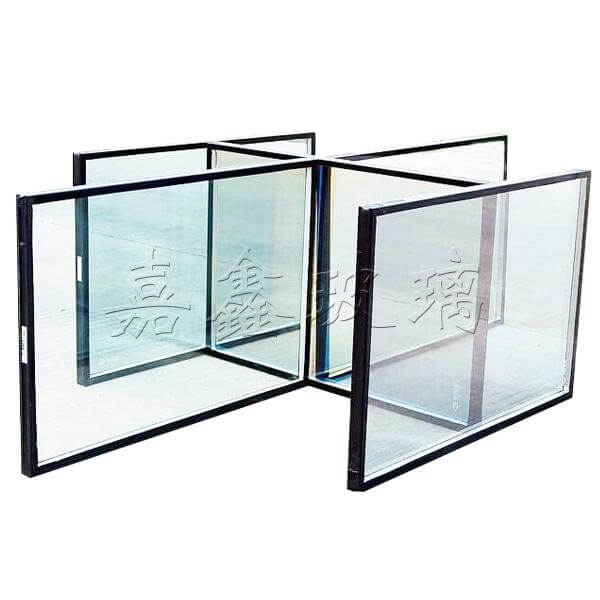
5. Fire-Resistant Insulated Glass Units (IGUs)
These multi-pane units combine fire-resistant glass with insulating air spaces or gas fills to provide both fire protection and thermal insulation. Ideal for energy-efficient buildings requiring fire safety.
| Glass Type | Fire Rating | Thermal Insulation | Best For |
|---|---|---|---|
| Wired Glass | 30-60 minutes | Low | Legacy applications, budget projects |
| Intumescent Glass | 30-120 minutes | Medium to High | Most commercial and residential applications |
| Fire-Resistant IGUs | 60-120 minutes | High | Energy-efficient buildings requiring fire safety |
Top Considerations When Selecting a Manufacturer
Choosing the right fire-resistant glass manufacturer is as important as selecting the glass itself. Here’s what to look for:
1. Production Capabilities
A reputable manufacturer should have advanced production facilities capable of producing large-format fire-resistant glass with consistent quality. Look for companies with automated cutting, tempering, and laminating lines that ensure precision in every panel.
2. Technical Expertise
The manufacturer should employ experienced engineers who can provide technical support throughout your project. They should be able to help with glass selection, framing system design, and compliance with local regulations.
3. Quality Control Systems
Strict quality control at every production stage is essential. The best manufacturers implement ISO 9001 quality management systems and conduct regular internal audits to maintain high standards.
4. Project Experience
Prior experience with projects similar to yours demonstrates the manufacturer’s ability to handle your specific requirements. Ask for case studies or references from completed projects in your industry or region.
5. After-Sales Support
Reliable after-sales service is crucial for addressing any issues that may arise during installation or use. Choose a manufacturer that offers warranty coverage and responsive technical support.
FAQ
What is the difference between fire-resistant and fire-rated glass?
These terms are often used interchangeably, but “fire-rated” specifically refers to glass that has been tested and certified to withstand fire for a specified duration according to recognized standards. All fire-rated glass is fire-resistant, but not all fire-resistant glass may have formal ratings.
Can fire-resistant glass be used as exterior glazing?
Yes, many fire-resistant glass products are suitable for exterior applications. However, they must be properly rated for the expected fire exposure duration and meet other requirements like wind load resistance and thermal performance for external use.
How does fire-resistant glass maintain visibility during a fire?
Modern intumescent fire-resistant glass contains special interlayers that become opaque when heated, creating an insulating barrier while preventing the glass from shattering. This maintains the structural integrity of the glass panel while blocking flames and smoke.
Is fire-resistant glass bullet-resistant?
Not automatically. While some specialized products combine both fire and bullet resistance, standard fire-resistant glass is not designed to stop bullets. For applications requiring both protections, you need specifically engineered multi-functional glazing systems.
Can fire-resistant glass be curved or shaped?
Yes, advanced manufacturing techniques allow for the production of curved fire-resistant glass. This is particularly useful for architectural designs featuring rounded walls, domes, or other non-rectangular shapes while maintaining fire safety requirements.
Summary
Selecting the right fire-resistant glass requires careful consideration of fire ratings, certification standards, application requirements, and performance characteristics. By understanding these factors and working with reputable manufacturers like Jiangyin Jiaxin Glass Products Co., Ltd., you can ensure your building meets all safety regulations while achieving your architectural design goals. Remember to consult with fire safety professionals during the design phase to determine the exact requirements for your specific project and location.
Jiangyin Jiaxin Glass Products, located in Gushan Town, Jiangyin City, specializes in producing high-quality fire-resistant glass along with other architectural glass solutions. With advanced production equipment and a focus on technical innovation, they offer a complete range of fire-rated glass products suitable for various building applications. Their commitment to quality and customer service makes them an excellent choice for your fire safety glazing needs.